We live in a culture that glorifies the “hustle.” From a young age, we are conditioned to believe that saying “yes” opens doors, builds relationships, and proves our worth. We say yes to extra projects at work, yes to social gatherings we are too tired to attend, and yes to favors that drain our remaining energy.
But what happens when your plate is overflowing, and you keep adding more? Your mental peace pays the price.
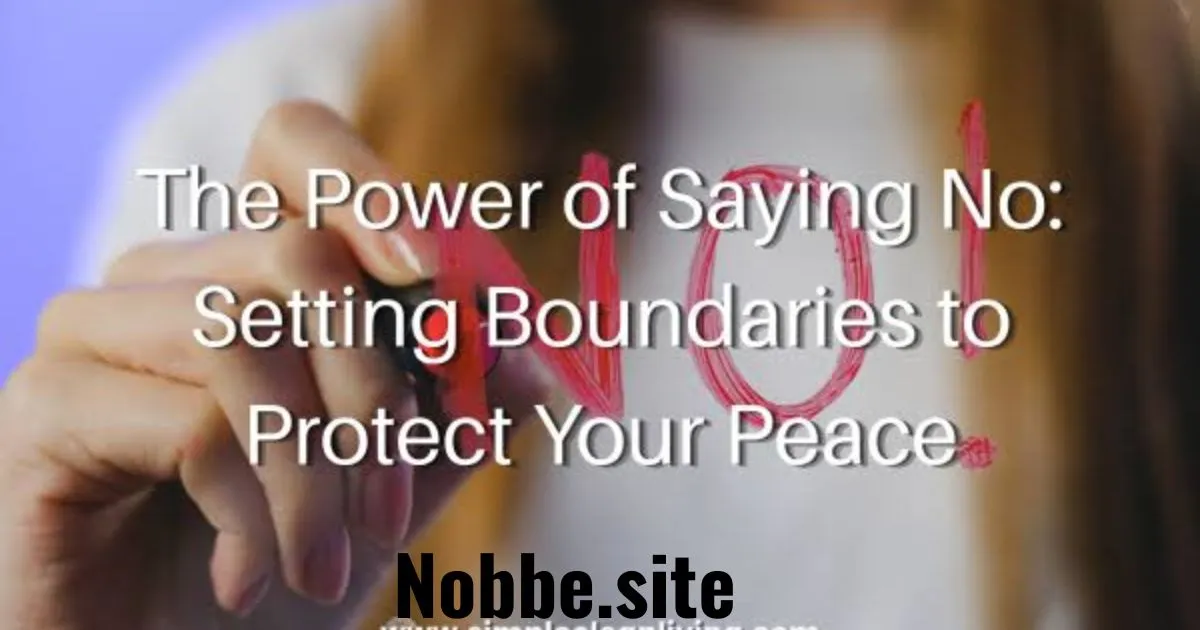
Learning how to say no is not about being selfish or lazy; it is a fundamental act of self-care and a vital tool for protecting your mental health. Here is a deep dive into why saying no is your ultimate superpower and how you can master it without the crushing guilt.
The Psychology of the “Yes” Trap
Why do we find it so difficult to utter a simple, two-letter word? For most of us, the inability to say no stems from deeply ingrained psychological triggers:
-
Fear of Missing Out (FOMO): We worry that saying no to an opportunity or event means missing out on something groundbreaking.
-
The Disease to Please: Many of us are chronic people-pleasers. We derive our self-worth from validation and fear that saying no will make others view us as unkind or unhelpful.
-
Fear of Conflict: We want to avoid awkward conversations, confrontation, or disappointing the people we care about.
The Reality Check: Every time you say “yes” to something you don’t actually want or have time for, you are implicitly saying “no” to your own well-being, your passions, and your rest.
How Saying “No” Protects Your Mental Peace
Setting firm boundaries by saying no acts as a shield for your psychological well-being. Here is exactly how it transforms your mental health:
1. It Prevents Chronic Burnout
When you overcommit, your stress hormones—like cortisol—remain constantly elevated. Over time, this leads to emotional, physical, and mental exhaustion. Saying no allows you to manage your workload and schedule, keeping burnout at bay and giving your nervous system time to reset.
2. It Reduces Anxiety and Overwhelm
Look at a chaotic calendar, and your anxiety levels naturally spike. By filtering out non-essential commitments, you regain a sense of control over your life. A manageable schedule reduces the constant, looming anxiety of “how am I going to get all of this done?”
3. It Boosts Self-Esteem and Confidence
When you constantly say yes to please others, you send a subconscious message to yourself that your needs are secondary. Conversely, standing your ground and saying no reinforces your self-worth. It establishes that your time and energy are valuable assets.
4. It Improves the Quality of Your “Yes”
When you stop scattering your energy across fifty different things, you can deeply focus on the few things that truly matter. Your work gets better, your presence in relationships becomes more genuine, and you bring your best self to the table.
The Strategic Guide: How to Say No Gracefully
Saying no is a skill. Like any muscle, it requires practice to grow stronger. You don’t need to be aggressive; you just need to be clear and assertive.
| Instead of Saying… | Try Saying… | Why it Works |
| “I’ll try to make it, but I’m super busy.” | “Thank you for thinking of me, but I can’t take on anything else right now.” | It sets a firm boundary without leaving a false window of hope. |
| “Sure, I guess I can do that.” (While panicking inside) | “I’d love to help, but I don’t have the capacity to give this the attention it deserves.” | It frames the refusal as a matter of quality and respect for their project. |
| “No, I can’t because [insert 10-minute excuse].” | “I won’t be able to make it this time, but I hope you have a great time!” | It keeps it polite and eliminates the need to over-explain your personal life. |
3 Steps to Master the Art of the Boundary
If you are a recovering people-pleaser, use these three simple steps to start reclaiming your mental peace today:
Step 1: Buy Yourself Time
Never answer on the spot. If someone asks for a favor, say, “Let me check my calendar and get back to you.” This gives you the emotional breathing room to evaluate if you actually want to do it, rather than reacting out of a habit of pleasing.
Step 2: Drop the Elaborate Excuses
You do not owe anyone a lengthy explanation for protecting your time. The more elaborate your excuse, the more openings the other person has to negotiate. Keep your refusal short, sweet, and honest.
Step 3: Practice with Low Stakes
Start small. Practice saying no to a minor request from a close friend or a salesperson. As you realize that the world doesn’t end when you say no, your confidence to tackle bigger boundaries will skyrocket.
Conclusion: Reclaim Your Peace
Your mental peace is not a luxury; it is a necessity. You cannot pour from an empty cup, and you cannot be a good friend, partner, or employee if you are constantly running on fumes.
The next time you feel the urge to reflexively say yes to a request that makes your stomach sink, take a deep breath. Remember that “No” is a complete sentence. By choosing what to let into your life, you are choosing to prioritize your happiness, your sanity, and your inner peace.