In today’s fast-paced world, stress and anxiety can hit you out of nowhere. Whether it is an upcoming work deadline, a sudden rush of overwhelming thoughts, or just the chaotic pace of daily life, modern life frequently triggers our body’s fight-or-flight response. When your heart starts racing and your mind begins to spiral, you don’t always have the luxury of checking out for an hour-long yoga session or a full day at the spa.
The good news? You do not need hours to reset your nervous system. You can easily learn how to reduce anxiety and stress in 5 minutes using science-backed, actionable techniques.
By dedicating just three hundred seconds to your mental well-being, you can rapidly lower your cortisol levels, calm your racing thoughts, and regain your focus. Here is your ultimate five-minute guide to fast stress relief.
Minute 1: Change Your Physiology with the Box Breathing Technique
When anxiety strikes, your breathing naturally becomes shallow and rapid, which signals your brain that you are in immediate danger. To break this loop, you need to consciously alter your breathing pattern.
The fastest way to achieve this is through Box Breathing, a powerful technique used by deep-sea divers and elite athletes to maintain calm under extreme pressure.
-
Step 1: Exhale all the air from your lungs.
-
Step 2: Inhale slowly through your nose for a count of 4.
-
Step 3: Hold your breath gently for a count of 4.
-
Step 4: Exhale completely through your mouth for a count of 4.
-
Step 5: Hold your lungs empty for a count of 4.
Repeat this cycle three to four times during your first minute. This practice immediately stimulates the vagus nerve, activating your parasympathetic nervous system (your body’s natural “rest and digest” mode) to lower your heart rate.
Minute 2: Ground Yourself Using the 5-4-3-2-1 Method
Anxiety thrives when your mind loops into the future or obsesses over the past. Grounding techniques pull your awareness back into the present moment, away from panic-inducing thoughts.
The 5-4-3-2-1 sensory method is an incredibly effective mindfulness tool that forces your brain to process tangible reality instead of abstract worries. Take a look around your immediate environment and identify:
-
5 things you can see: A coffee mug, a window, a pen, a plant, or a shadow.
-
4 things you can feel physically: The texture of your clothes, the solid chair beneath you, the cool air on your skin, or the floor under your feet.
-
3 things you can hear: The distant hum of traffic, a ticking clock, or birds chirping outside.
-
2 things you can smell: The scent of your perfume, old paper, fresh coffee, or clean air.
-
1 thing you can taste: The lingering flavor of your last meal, toothpaste, or just a sip of water.
By the time you finish scanning your surroundings, your mind will have stepped off the anxiety treadmill.
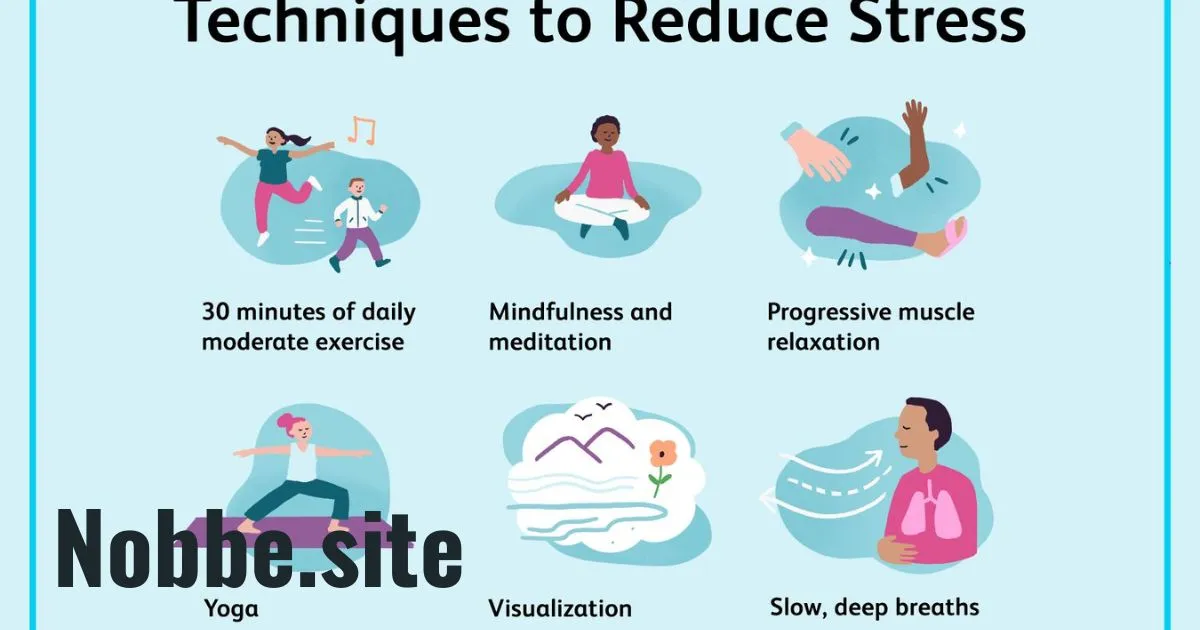
Minute 3: Release Physical Tension with Progressive Muscle Relaxation (PMR)
Stress does not just live in your mind; it traps itself physically in your body. When you are anxious, you likely unconsciously clench your jaw, hunch your shoulders, or tighten your fists.
Spend your third minute performing an abbreviated version of Progressive Muscle Relaxation (PMR) to physically release this built-up tension:
-
The Shoulders: Shrug your shoulders up toward your ears as tightly as you can. Hold the intense tension for 5 seconds, then drop them completely. Feel the sudden weightlessness.
-
The Hands: Clench both hands into tight fists. Hold for 5 seconds, then open your fingers wide and release.
-
The Face: Squeeze your eyes shut and scrunch up your face. Hold for 5 seconds, then relax your jaw and forehead entirely.
Intentionally creating and then releasing muscle tension sends a definitive physical signal to your brain that it is safe to relax.
Minute 4: Hydrate and Shift Your Physical Temperature
Your physical state heavily influences your emotional state. A simple shift in temperature or a basic biological reset can halt an escalating stress response.
Go to the sink and drink a slow, cold glass of water. Dehydration can actually mimic physical panic symptoms, like a rapid heartbeat and headaches. Drinking water forces you to pause your frantic thoughts and regulate your swallowing, which naturally slows your breathing down.
If you are feeling exceptionally overwhelmed, splash ice-cold water directly onto your face. This triggers the mammalian dive reflex, a biological phenomenon that automatically slows down your heart rate and reduces feelings of acute anxiety almost instantly.
Minute 5: Reframe Your Mindset with a Positive Anchor
Now that your body is calmer, use your final minute to anchor your mind so you don’t slide right back into stress.
Close your eyes and choose one single thought to focus on. This could be a powerful phrase or a calming mental image:
-
A Calming Affirmation: Repeat silently to yourself: “I am safe right now. This feeling is temporary, and I can handle it.”
-
A Visualization: Picture a place where you have felt absolutely safe and happy—a quiet beach, a cozy room, or a specific nature trail. Try to remember what it looked like and how peaceful it felt.
Focusing completely on this positive anchor for the remaining sixty seconds prevents your mind from immediately rushing back to your previous worries.
Conclusion: Make the 5-Minute Reset a Daily Habit
Learning how to reduce anxiety and stress in 5 minutes is a practical skill that improves with regular use. You don’t have to wait for a major panic attack to use these steps. Practicing them during a quick morning break or right before an intense meeting builds your mental resilience over time.
Remember, feeling stressed is a completely normal part of life, but staying trapped in it is optional. Next time you feel overwhelmed, step away, look at your watch, and give yourself just five minutes to reclaim your peace of mind.