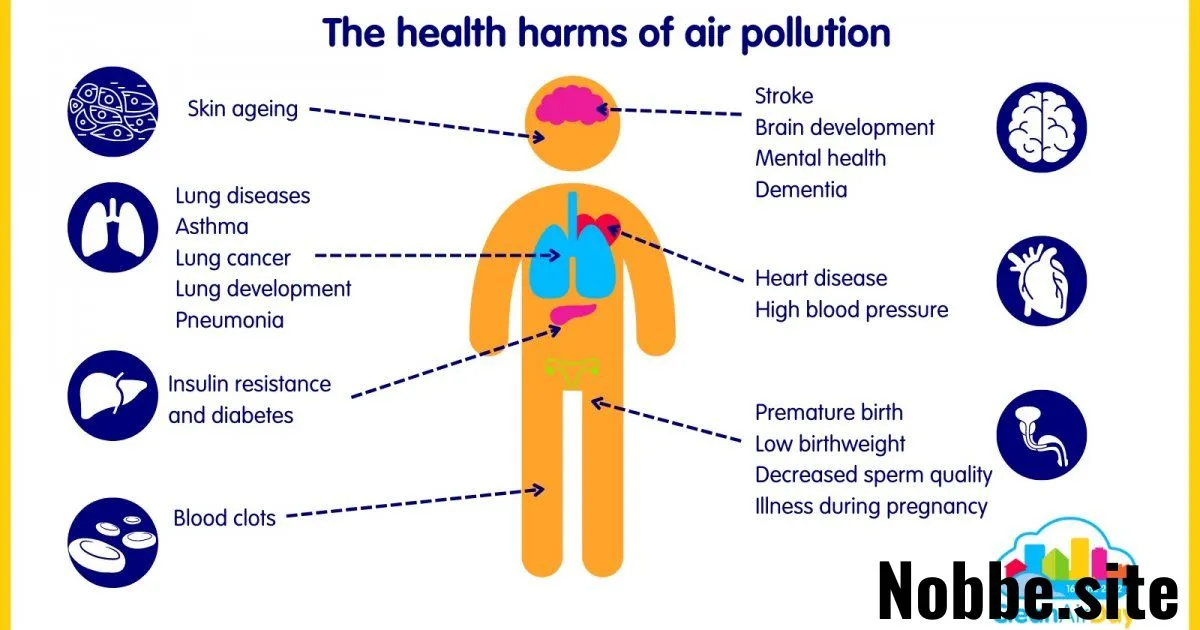
When we think about lifestyle choices that increase our lifespan, we usually focus on daily workouts, a balanced diet, or getting eight hours of sleep. However, we often overlook the very element that keeps us alive every single second: the air we breathe.
According to the Environmental Protection Agency (EPA), the average person spends nearly 90% of their life indoors. Yet, indoor air can be two to five times more polluted than outdoor air. Over time, breathing compromised air inside your home takes a massive toll on your respiratory system.
Understanding how clean indoor air quality (IAQ) impacts lung longevity is no longer just an environmental topic—it is a fundamental pillar of preventative healthcare.
The Biological Link: How Indoor Air Shapes Your Lungs
To understand why indoor air quality matters for aging lungs, we have to look at the anatomy of our respiratory tract. Every time you inhale, air travels down your trachea and fills thousands of tiny, delicate air sacs called alveoli. These tiny structures are responsible for transferring oxygen into your blood and removing carbon dioxide.
When indoor air is filled with microscopic irritants, your alveoli bear the brunt of the damage. Constant exposure to pollutants causes chronic, low-grade inflammation in your lung tissue. Over decades, this constant irritation accelerates cellular aging and triggers tissue scarring, dramatically reducing your lungs’ functional capacity as you grow older.
Hidden Culprits: Common Sources of Home Air Pollution
Many homeowners assume their indoor air is clean simply because they cannot see or smell any pollution. In reality, some of the most dangerous indoor toxins are completely invisible.
The most frequent threats to your lung longevity include:
-
Particulate Matter (PM2.5): These microscopic particles are less than 2.5 micrometers in diameter. They are released into the air during everyday activities like cooking on a gas stove, burning candles, or using fireplaces. Because they are so small, they easily bypass your body’s natural nasal filters and lodge deep inside your lung tissue.
-
Volatile Organic Compounds (VOCs): These toxic gases are emitted by everyday household items, including harsh chemical detergents, aerosol perfumes, fresh paint, new furniture, and dry-cleaned clothes.
-
Biological Allergens: Mold spores, dust mites, and pet dander thrive in poorly ventilated spaces. Prolonged exposure can gradually weaken your respiratory defenses.
The Long-Term Impact on Lung Longevity
Your lungs naturally lose some efficiency as you age, usually starting around age 35. However, poor indoor air quality acts as an accelerator, turning a gentle natural decline into a steep drop-off.
Breathing dirty indoor air over many years directly contributes to major respiratory health issues:
1. Accelerated Development of Chronic Diseases
Long-term exposure to indoor allergens and PM2.5 is a leading cause of chronic respiratory conditions. It heavily increases the risk of developing Chronic Obstructive Pulmonary Disease (COPD) and adult-onset asthma. For individuals who already have these conditions, poor air quality triggers frequent flare-ups that permanently damage lung tissue.
2. Reduced Lung Elasticity and Capacity
Healthy lungs are highly elastic, expanding and contracting effortlessly. Chronic inflammation from household toxins causes a buildup of scar tissue (fibrosis). This stiffens the lungs, making it much harder to draw deep breaths and leaving you feeling easily fatigued during basic physical activities.
3. Vulnerability to Respiratory Infections
When your lung tissues are constantly fighting off chemical irritants, your local immune defense is compromised. This makes your respiratory tract far more vulnerable to seasonal infections like pneumonia, bronchitis, and influenza, which can cause severe, long-lasting damage to older adults.
Step-by-Step Guide to Improving Your Home’s Air Quality
Protecting your lungs for the long haul does not require a complete home remodel. Making a few intentional adjustments to your daily routine can significantly lower your toxic exposure.
Conclusion: Invest in Your Air, Invest in Your Life
Lung longevity is entirely about minimizing cumulative damage. While you cannot always control the air quality in your city or workplace, you have immense control over the air inside your own home. By taking proactive steps to clean your indoor air today, you are directly protecting your respiratory system from premature aging. Clean air is not a luxury—it is a lifelong investment in your health, ensuring you can breathe deeply and live vibrantly for decades to come.