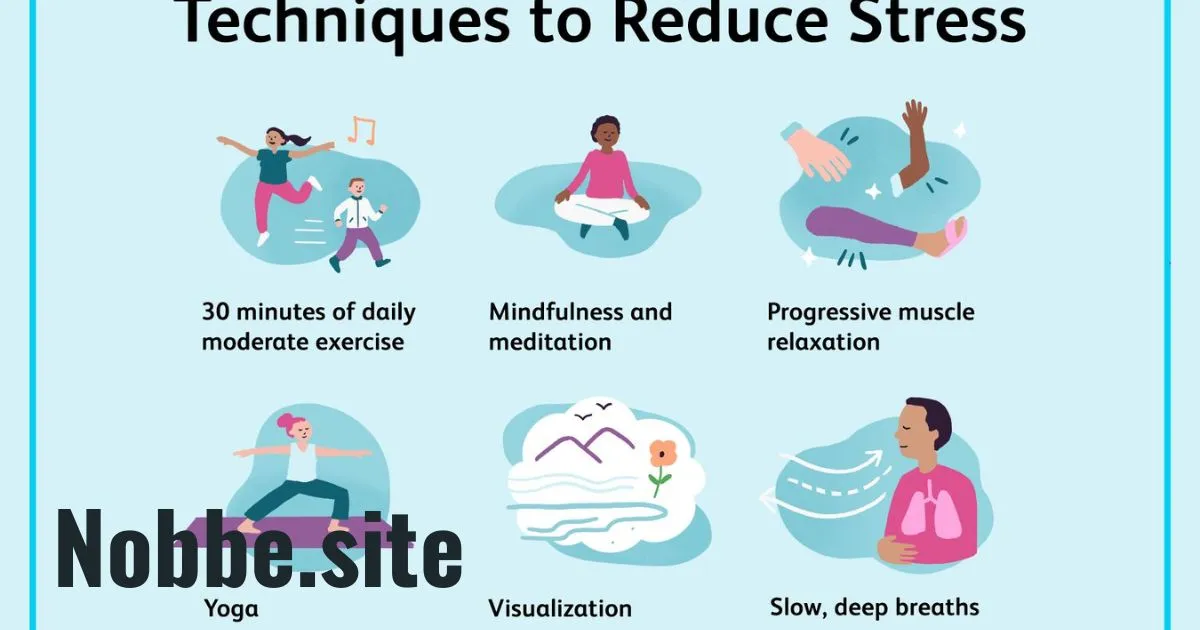
In today’s fast-paced digital world, our minds are constantly bombarded with notifications, deadlines, and never-ending to-do lists. We often find ourselves physically present in a room but mentally miles away—either rewinding yesterday’s mistakes or fast-forwarding to tomorrow’s anxieties.
If you constantly feel overwhelmed, stressed, or disconnected, you are not alone. The antidote to this modern chaos is mindfulness.
But what exactly is the power of mindfulness, and how can you leverage it to live deeply in the present moment? Let’s dive in.
What is Mindfulness?
At its core, mindfulness is the psychological process of bringing your attention to the internal and external experiences occurring in the present moment. It is about observing your thoughts, feelings, and bodily sensations without judgment.
Mindfulness doesn’t mean erasing your thoughts or forcing yourself to feel happy. Instead, it means acknowledging where you are right now, whether that space is peaceful or chaotic.
The Proven Benefits of Living in the Present
Science backs up what ancient traditions have taught for centuries. Practicing mindfulness regularly can fundamentally rewire your brain for the better. Here are the key benefits:
-
Reduces Stress and Anxiety: By focusing on the “now,” you cut off the fuel supply to anxious thoughts, which are almost always rooted in the past or the future.
-
Improves Mental Clarity and Focus: Mindfulness trains your brain to resist distractions, boosting your productivity and decision-making skills.
-
Enhances Emotional Resilience: When you observe your emotions objectively, you stop reacting impulsively and start responding thoughtfully.
-
Boosts Physical Health: Studies show mindfulness lowers cortisol (the stress hormone), reduces blood pressure, and improves sleep quality.
How to Practice Mindfulness: 5 Simple Steps
You don’t need to climb a mountain or sit in silence for hours to practice mindfulness. You can easily integrate it into your daily routine with these practical strategies:
1. Master the Art of Mindful Breathing
Your breath is your anchor to the present moment because it can only happen right now. Whenever you feel your mind drifting or anxiety spiking, pause and take three deep, conscious breaths. Inhale deeply through your nose, hold for a few seconds, and exhale slowly through your mouth. Focus entirely on the physical sensation of the air moving in and out of your body.
2. Engage in Single-Tasking
Multitasking is a myth that splits your attention and spikes stress levels. To cultivate mindfulness, practice single-tasking. If you are eating, just eat—taste the flavors, notice the textures, and put down your phone. If you are writing an article or working on a project, close all other browser tabs and give that one task your absolute focus.
3. Use the 5-4-3-2-1 Grounding Technique
When your thoughts start racing, pull yourself back to reality using your five senses. Pause and identify:
-
5 things you can see around you.
-
4 things you can physically feel (e.g., your feet on the floor).
-
3 things you can hear.
-
2 things you can smell.
-
1 thing you can taste.
Pro Tip: This quick exercise is incredibly effective for immediately halting anxiety loops and resetting your nervous system.
4. Practice Non-Judgmental Awareness
We are often our own harshest critics. When a negative thought or distraction pops up while you’re trying to focus, don’t get angry with yourself. Acknowledge the thought, label it (“Oh, there is worry again”), and gently guide your attention back to what you were doing. Treat your mind with the same kindness you would show a friend.
5. Turn Daily Chores into Meditative Rituals
You can practice mindfulness during the most mundane tasks. When washing the dishes, focus on the warmth of the water and the sound of the bubbles. When walking, feel the impact of your feet against the ground and look up at the sky. This transforms boring routines into moments of peace.
Overcoming Common Mindfulness Roadblocks
Many beginners give up on mindfulness because they think they are “doing it wrong.” Let’s clear up a major misconception:
| Misconception | The Reality |
| “My mind won’t stop wandering.” | Wandering is what minds do. The magic of mindfulness happens the moment you realize your mind wandered and you bring it back. |
| “I don’t have enough time.” | Mindfulness takes zero extra time. It’s not about what you are doing, but how you are doing it. |
Conclusion: Start Small, Stay Consistent
The power of mindfulness lies in its simplicity, but its impact is life-changing. You don’t need a perfect environment to live in the present—you just need the willingness to show up for your own life, one moment at a time.
Start small. Dedicate just five minutes tomorrow morning to mindful breathing or single-tasking. Over time, these small moments of awareness will compound, creating a life filled with clarity, peace, and deep fulfillment.
Remember: The past is already gone, the future is just a concept, but the present is where your life actually happens. Cherish it.