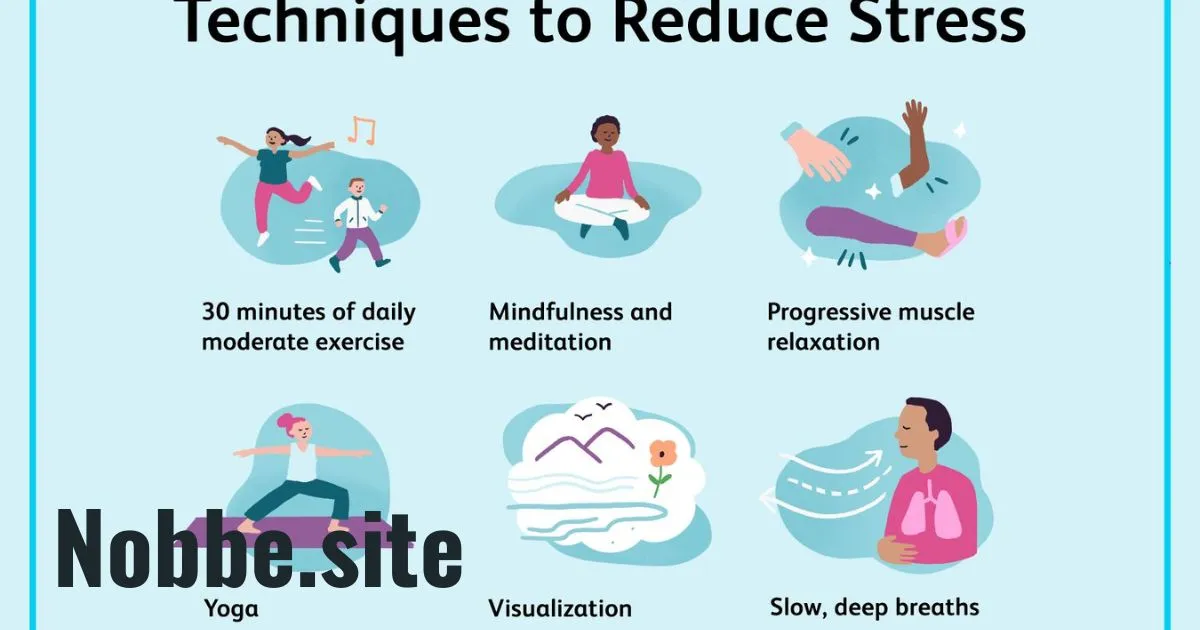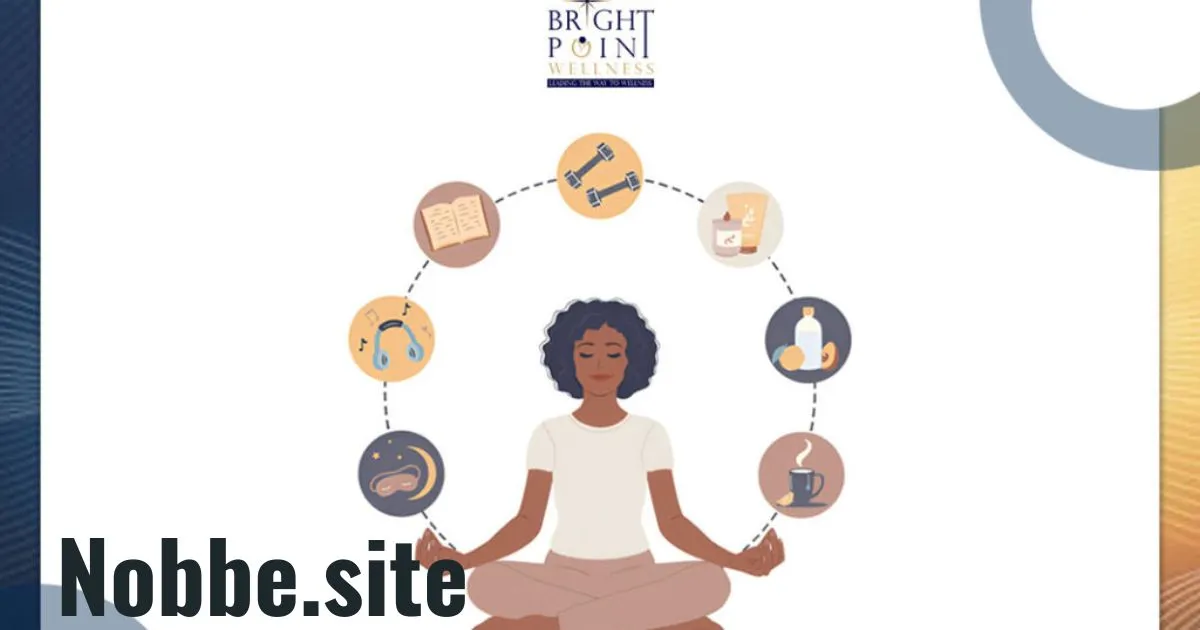
In the hustle and bustle of modern life, it is incredibly easy to neglect our emotional well-being. We constantly optimize our schedules for productivity, work deadlines, and social obligations, often leaving our minds exhausted. However, just like physical fitness, maintaining good psychological well-being requires consistent effort.
You do not need to make radical, overwhelming lifestyle changes to feel happier and more grounded. Incorporating small, intentional routines into your day can create a massive shift. Here are 7 daily habits that boost your mental health and help you build long-term emotional resilience.
1. Start Your Day with a Tech-Free Morning Routine
How you spend the first thirty minutes of your day sets the emotional tone for the rest of it. Reach for your phone the moment you wake up, and you immediately flood your brain with work emails, stressful news headlines, and the comparison traps of social media. This instantly triggers a spike in cortisol (the stress hormone).
Instead, cultivate a tech-free morning window. Spend your first half-hour doing something grounding:
-
Stretching or light yoga.
-
Drinking a warm cup of tea or water in silence.
-
Writing down three things you are grateful for.
By giving your brain time to wake up naturally, you protect your focus and significantly lower morning anxiety.
2. Practice the “3-Minute Gratitude Pause”
Our brains naturally suffer from a “negativity bias”—we are biologically wired to notice threats, mistakes, and stressors much more than positive events. While this kept our ancestors safe, today it often leads to chronic overthinking and low mood.
You can actively rewire this neural pathway by practicing intentional gratitude daily. Take three minutes every afternoon or evening to physically write down three specific things that went well or brought you comfort. Avoid generic answers; instead, focus on the details:
-
“The perfectly brewed cup of coffee this afternoon.”
-
“A funny meme a friend sent me when I was stressed.”
-
“The cool breeze during my commute home.”
This simple habit forces your brain to scan your environment for positive experiences, boosting your overall happiness levels over time.
3. Move Your Body for at Least 20 Minutes
Physical movement is one of the most underutilized tools for emotional regulation. When you exercise, your body releases endorphins and serotonin—often referred to as the brain’s natural feel-good chemicals. Regular physical activity reduces inflammation and encourages the growth of new brain cells in areas that govern mood.
You do not need an intense, grueling gym session to reap these benefits. A simple 20-minute brisk walk around your neighborhood, a quick bike ride, or a home dance workout is more than enough. The key is consistency, not intensity. Find a form of movement you genuinely enjoy so it feels like a reward rather than a chore.
4. Set a Hard “Digital Sunset” Before Bed
Constant connectivity keeps our minds in a perpetual state of high alert. The blue light emitted by smartphones, laptops, and televisions actively suppresses the production of melatonin, the hormone responsible for deep, restorative sleep. Poor sleep is directly linked to increased anxiety, irritability, and depression.
Establish a digital sunset by turning off all screens at least 45 to 60 minutes before you plan to sleep. Use this time to read a physical book, listen to calming music, or practice a brief breathing exercise. Protecting your sleep quality is one of the absolute quickest ways to improve your cognitive function and emotional balance.
5. Prioritize “Micro-Connections” with Loved Ones
Humans are evolutionary social creatures. Isolation and loneliness act as silent stressors on the nervous system, while meaningful social connection releases oxytocin, which naturally lowers stress and blood pressure.
Even on your busiest days, prioritize micro-connections. You do not need to host a massive social gathering or spend hours on the phone. Simple actions matter:
-
Send a quick, appreciative text message to a family member.
-
Call a close friend for a brief 5-minute catch-up during a break.
-
Have an uninterrupted, screen-free conversation with your partner over dinner.
These small moments of genuine connection remind your subconscious mind that you are supported and part of a community.
6. Declutter One Small Space Daily
Our external environment has a profound impact on our internal state. A messy, chaotic living or working environment sends subtle, continuous signals to the brain that there is unfinished business, leading to increased feelings of overwhelm and cognitive fatigue.
Spend just five minutes a day decluttering one small area. It could be your workspace desk, a single kitchen drawer, or your bedside table. The act of organizing a physical space provides a sense of control, achievement, and immediate visual clarity, which directly translates into a calmer, more organized mind.
7. Practice Mindful Consumption (Curate Your Feed)
We talk a lot about what we eat, but what we consume mentally through our eyes and ears is just as critical for our health. Spending hours scrolling through toxic arguments online, sensationalist news, or highly edited lifestyles can leave you feeling insecure and drained.
Take an honest look at your daily digital diet. Actively unfollow, mute, or block accounts that consistently trigger feelings of inadequacy, anger, or anxiety. Instead, fill your feed with content that educates, inspires, makes you laugh, or brings you peace. You have complete control over your digital environment—use it to protect your peace.
Conclusion: Small Steps, Big Impact
When it comes to building a healthier mindset, consistency beats intensity every single time. Trying to adopt all 7 daily habits that boost your mental health overnight will likely cause more stress than it relieves.
Instead, select just one or two habits that resonate with you right now. Commit to practicing them daily for a few weeks, and once they feel completely automatic, introduce another. By taking these small, deliberate steps, you will gradually build a strong foundation for a happier, calmer, and more resilient life.