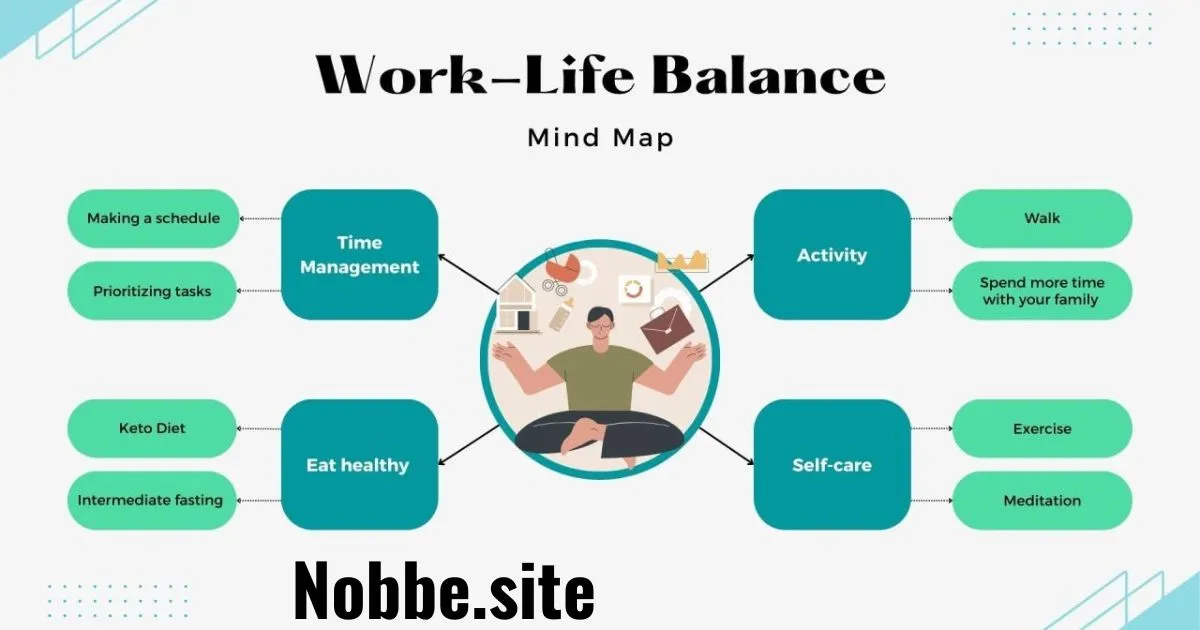
In today’s fast-paced digital world, the line between professional obligations and personal well-being has become increasingly blurred. With remote work, constant connectivity, and the pressure to excel, many professionals find themselves trapped in a cycle of chronic exhaustion. However, achieving a healthy work-life balance doesn’t mean you have to sacrifice your career ambitions.
This comprehensive guide explores practical, actionable strategies to optimize your daily routine, protect your physical and mental health, and eliminate burnout—all without adding extra stress to your plate.
1. Redefining the Myth of Perfect Balance
The first step to balancing work and health without stress is dismantling the idea of a “perfect 50/50 split.” On some days, a critical project deadline will require more of your energy. On other days, your body will demand rest.
Instead of striving for perfect daily equilibrium, aim for counterbalancing. Look at your balance over a weekly or monthly spectrum. Accepting that work and health flow in cycles immediately reduces the psychological guilt that triggers chronic stress.
2. Master Time Audit and Strict Boundaries
You cannot manage your health if you do not manage your time. Many professionals suffer from “scope creep” in their personal lives, letting work emails bleed into dinner time or late-night rest cycles.
-
Conduct a Time Audit: For three days, track exactly how you spend every hour. You will likely find hidden pockets of time wasted on unproductive multitasking or mindless scrolling.
-
Establish Hard Cut-off Times: Set a definitive time when the laptop shuts down and work notifications are muted. Treat this boundary as a non-negotiable meeting with yourself.
-
Communicate Expectations: Let clients, managers, or team members know your availability. Clear communication prevents the anxiety of feeling like you always need to be “online.”
3. Implement Micro-Habits for Physical Wellness
When we think of health, we often picture grueling one-hour gym sessions or complex meal preps. When you are already busy, these expectations create more stress. Instead, focus on micro-habits—small, frictionless actions that yield massive long-term results.
The 20-20-20 Rule for Digital Strain
If you work behind a screen, combat physical fatigue and eye strain by looking at something 20 feet away for 20 seconds, every 20 minutes. Combine this with a quick standing stretch to reset your posture.
Habit Stacking for Hydration and Nutrition
Tie a healthy habit to an existing routine. For example: “Every time I wait for my morning coffee to brew, I will drink a full glass of water.” Keep nutritious, low-glycemic snacks (like nuts or seeds) at your workspace to prevent the energy crashes caused by sugary alternatives.
4. Protect Your Mental Capital: Combat Daily Stress
Chronic stress triggers cortisol production, which actively drains your physical energy, slows down metabolic health, and clouds cognitive function. Protecting your mental health is a prerequisite for professional productivity.
| Stress Trigger | Practical Solution | Time Required |
| Information Overload | Single-tasking (Focusing on one tab/task at a time) | Continuous |
| Brain Fog / Fatigue | Power Naps or Non-Sleep Deep Rest (NSDR) | 10–20 minutes |
| Anxiety / Overwhelm | Box Breathing (Inhale 4s, Hold 4s, Exhale 4s, Hold 4s) | 2 minutes |
5. Optimize Your Workspace Architecture
Your physical environment heavily dictates your stress levels and physical health. A cluttered, poorly lit workspace signals chaos to your brain, raising anxiety levels.
-
Ergonomics Matter: Ensure your monitor is at eye level to avoid neck strain, and your feet rest flat on the floor. If possible, alternate between sitting and standing throughout the day.
-
Let in Natural Light: Exposure to natural sunlight regulates your circadian rhythm, which improves your sleep quality at night and boosts daytime focus.
-
Visual Minimalist Setup: Keep your immediate desk area clear of clutter. A minimalist environment promotes a calm, focused mind.
6. Prioritize Sleep as a Strategic Business Tool
The most detrimental mistake professionals make is sacrificing sleep to gain more working hours. Sleep deprivation diminishes emotional regulation, problem-solving skills, and immune function, making you highly susceptible to stress.
View sleep not as a luxury, but as a critical component of your professional toolkit. Aim for 7 to 8 hours of quality sleep. Optimize your sleep hygiene by lowering the room temperature, avoiding bright blue screens at least 45 minutes before bed, and keeping your bedroom a dedicated stress-free zone.
Conclusion: Sustainable Growth Over Speed
Balancing work and health without stress is not a destination; it is an ongoing practice of self-awareness. True professional success is unsustainable if it comes at the cost of your physical longevity and mental peace.
By implementing strict boundaries, relying on micro-habits, and treating your health as your primary asset, you create a workflow that supports both a thriving career and a vibrant, healthy life. Start small today: close the extra browser tabs, take a deep breath, and step away from the screen for just five minutes. Your mind and body will thank you.