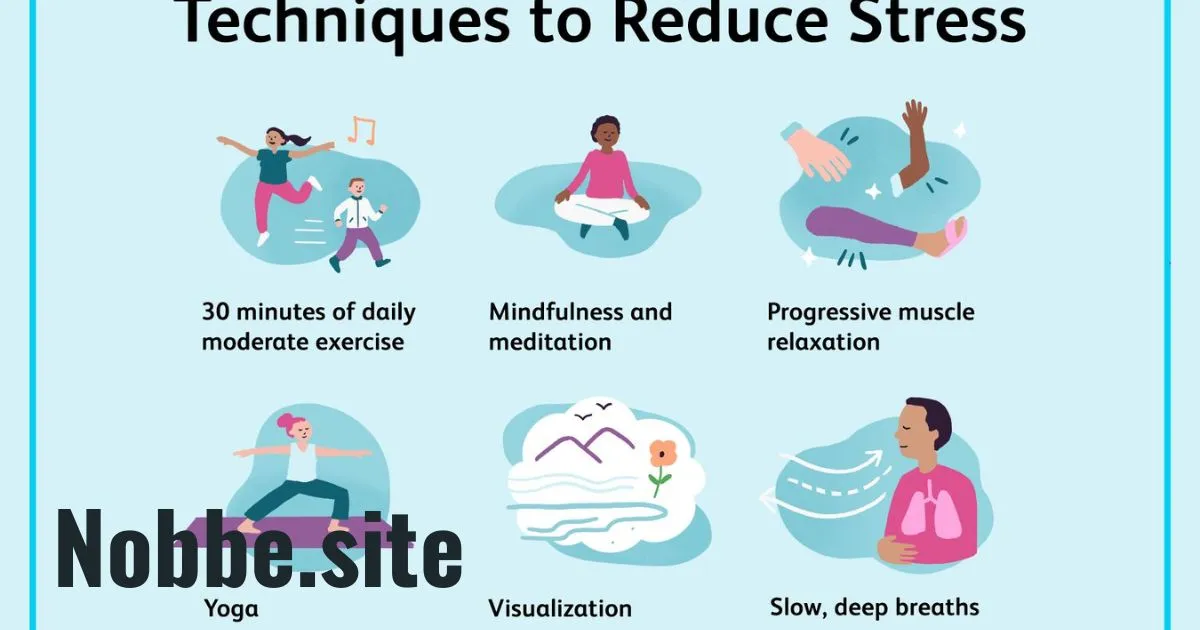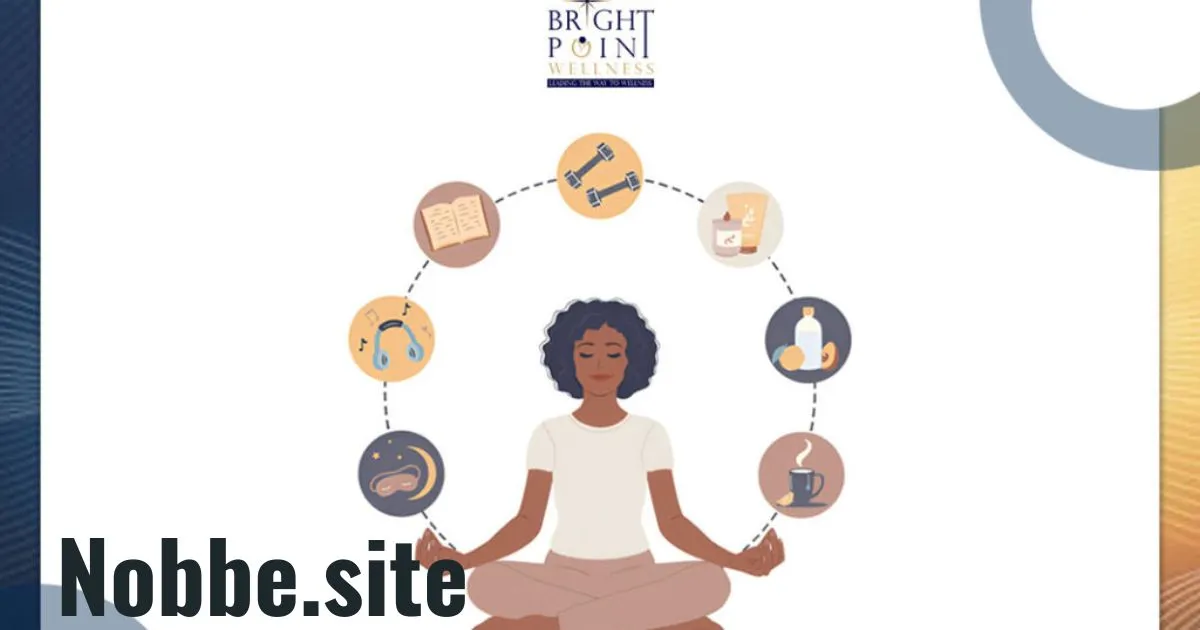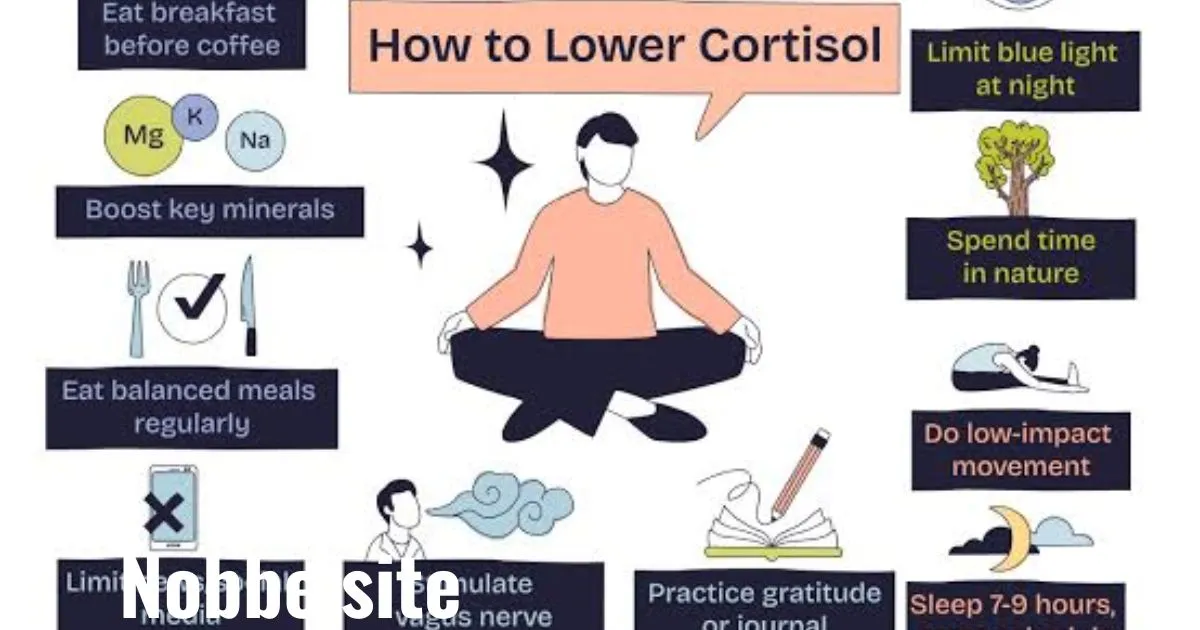
In our fast-paced modern world, stress has become an unwelcome daily companion for millions. Whether it is a demanding work deadline, financial pressure, or the constant buzz of digital notifications, our minds and bodies are frequently trapped in a state of high alert.
Behind this chronic state of stress is a powerful chemical messenger: cortisol. Known widely as the body’s primary stress hormone, elevated cortisol levels can wreak havoc on your health over time. Fortunately, one of the most effective, scientifically proven tools to lower cortisol is entirely free and available to you at this very moment—your breath.
Here is a look into the deep scientific connection between deep breathing and cortisol reduction, and how you can use this simple practice to reclaim your peace of mind.
What is Cortisol and Why Does It Matter?
Produced by the adrenal glands sitting atop your kidneys, cortisol is essential for human survival. It regulates blood pressure, controls your sleep-wake cycle, manages how your body uses carbohydrates, fats, and proteins, and keeps inflammation down.
When you encounter a threat, your brain triggers the “fight-or-flight” response, flooding your system with cortisol and adrenaline. This response prepares your body to either fight the danger or run away.
However, your brain cannot always tell the difference between a life-threatening emergency and a stressful email. When stress becomes chronic, your cortisol levels remain high.
The Hidden Dangers of High Cortisol
Sustained, elevated levels of cortisol are linked to a variety of physical and mental health issues, including:
Chronic fatigue and brain fog
Unexplained weight gain (particularly around the abdomen)
Disrupted sleep patterns and insomnia
Weakened immune system response
Increased anxiety and depression
The Science of Stress: Sympathetic vs. Parasympathetic
To understand how deep breathing lowers cortisol, we have to look at the autonomic nervous system, which is divided into two main branches:
-
The Sympathetic Nervous System (SNS): This is your body’s gas pedal. It activates the fight-or-flight response, accelerates your heart rate, constricts blood vessels, and spikes cortisol production.
-
The Parasympathetic Nervous System (PNS): This is your body’s brake pedal. Often called the “rest and digest” system, it slows your heart rate, lowers blood pressure, and signals the adrenal glands to stop pumping out cortisol.
When you take shallow, rapid breaths—which is how most people breathe when they are anxious—you feed right back into the sympathetic loop, signaling to your brain that you are still in danger.
How Deep Breathing Lowers Cortisol Levels
Deep breathing, specifically diaphragmatic breathing (breathing deeply into your belly rather than shallowly into your chest), acts as a direct hack into your nervous system.
When you breathe in deeply, your diaphragm moves down, allowing your lungs to expand fully. As you exhale slowly and completely, you stimulate the vagus nerve. The vagus nerve is the longest nerve in your body and serves as the main highway for the parasympathetic nervous system.
Stimulating the vagus nerve triggers a relaxation response. It sends an immediate neurochemical signal to your brain that says, “You are safe.” The brain then orders the adrenal glands to halt the production of cortisol and adrenaline. Simultaneously, your heart rate slows down, blood vessels dilate, and a sense of calm washes over the body.
A landmark study published in Frontiers in Psychology demonstrated that participants who engaged in regular diaphragmatic breathing routines showed a significant drop in cortisol levels in their saliva, alongside a marked improvement in sustained attention and reduced negative affect.
3 Deep Breathing Techniques to Reduce Cortisol Instantly
If you want to actively lower your stress hormones, practicing specific breathing exercises for just five to ten minutes a day can yield noticeable results. Here are three highly effective methods:
1. The 4-7-8 Technique
Popularized by Dr. Andrew Weil, this technique acts as a natural tranquilizer for the nervous system.
-
Empty the lungs entirely.
-
Breathe in quietly through your nose for a count of 4 seconds.
-
Hold your breath for a count of 7 seconds.
-
Exhale completely through your mouth, making a “whoosh” sound, for a count of 8 seconds.
-
Repeat this cycle four times.
2. Box Breathing
Used by elite athletes and Navy SEALs to maintain calm under intense pressure.
-
Inhale through your nose for 4 seconds.
-
Hold your breath for 4 seconds.
-
Exhale slowly through your mouth for 4 seconds.
-
Hold your lungs empty for 4 seconds.
-
Repeat the loop for 4 to 5 minutes.
3. Alternate Nostril Breathing (Nadi Shodhana)
A traditional yogic practice excellent for balancing the left and right hemispheres of the brain.
-
Use your right thumb to close your right nostril and inhale deeply through your left nostril.
-
Close the left nostril with your ring finger, open the right nostril, and exhale fully.
-
Inhale through the right nostril, close it, and exhale through the left.
-
Continue this alternating pattern for a few minutes.
The Long-Term Benefits of Breathwork
Consistency is key when it comes to managing cortisol. Incorporating a daily deep breathing habit does more than just offer temporary relief; it actually trains your body to be more resilient to stress over time.
Regular practitioners often experience improved digestion, better emotional regulation, enhanced focus, and a stronger immune system. By actively choosing to step on the parasympathetic brake pedal every day, you protect your body from the wear and tear of chronic cortisol exposure.
Final Thoughts
You cannot always control the stressors that life throws your way, but you always have control over how your body responds to them. The connection between deep breathing and cortisol reduction is a beautiful reminder of our body’s built-in healing mechanics. The next time you feel stress building up and your anxiety rising, pause, place a hand on your stomach, and take a deep, slow breath. Your nervous system will thank you.