In our always-on, high-productivity culture, pushing yourself to the limit is often praised. However, there is a sharp difference between being tired after a long week and experiencing chronic, debilitating burnout.
Burnout is not just a bad mood or a temporary lack of motivation; it is a state of emotional, physical, and mental exhaustion caused by excessive and prolonged stress.
Recognizing the warning signs early and knowing how to implement a strategic recovery plan can stop burnout from spiraling into serious physical illness or deep mental fatigue. Here is how to identify if you are burning out and the fastest, science-backed steps to reclaim your energy.
Part 1: High-Alert Signs of Burnout
The World Health Organization (WHO) formally recognizes burnout as an occupational phenomenon. It creeps up slowly, but it generally manifests in three core dimensions:
                  ┌──────────────────────┐
                  │  THE THREE PILLARS   │
                  │      OF BURNOUT      │
                  └──────────┬───────────┘
                             │
         ┌───────────────────┼───────────────────┐
         ▼                   ▼                   ▼
┌─────────────────┐ ┌─────────────────┐ ┌─────────────────┐
│Chronic Tiredness│ │   Cynicism &    │ │ Feeling Useless │
│  Physical and   │ │ Detachment from │ │ Lack of Accompl-│
│Mental Exhaustion│ │ Tasks or People │ │ ishment & Growth│
└─────────────────┘ └─────────────────┘ └─────────────────┘
1. Physical and Emotional Exhaustion
You wake up feeling just as tired as when you went to bed. Even simple daily tasks feel like climbing a mountain. This exhaustion often shows up physically as chronic headaches, unexplained muscle tension, frequent getting sick due to a weakened immune system, or sudden changes in sleep patterns and appetite.
2. Cynicism and Detachment
You start to feel completely alienated from your work, hobbies, or even your loved ones. Tasks that used to bring you satisfaction now cause irritation, anger, or total numbness. You might find yourself pulling away from social circles, dreading notifications, and adopting a highly negative mindset toward your future goals.
3. Feelings of Ineffectiveness (Lack of Accomplishment)
Despite working long hours, you feel like you are achieving absolutely nothing. Your concentration drops, you miss deadlines, your creativity dries up completely, and you experience a heavy sense of self-doubt. You constantly feel like you are underperforming, which creates an exhausting cycle of working harder while producing less.
Part 2: How to Recover From Burnout Fast
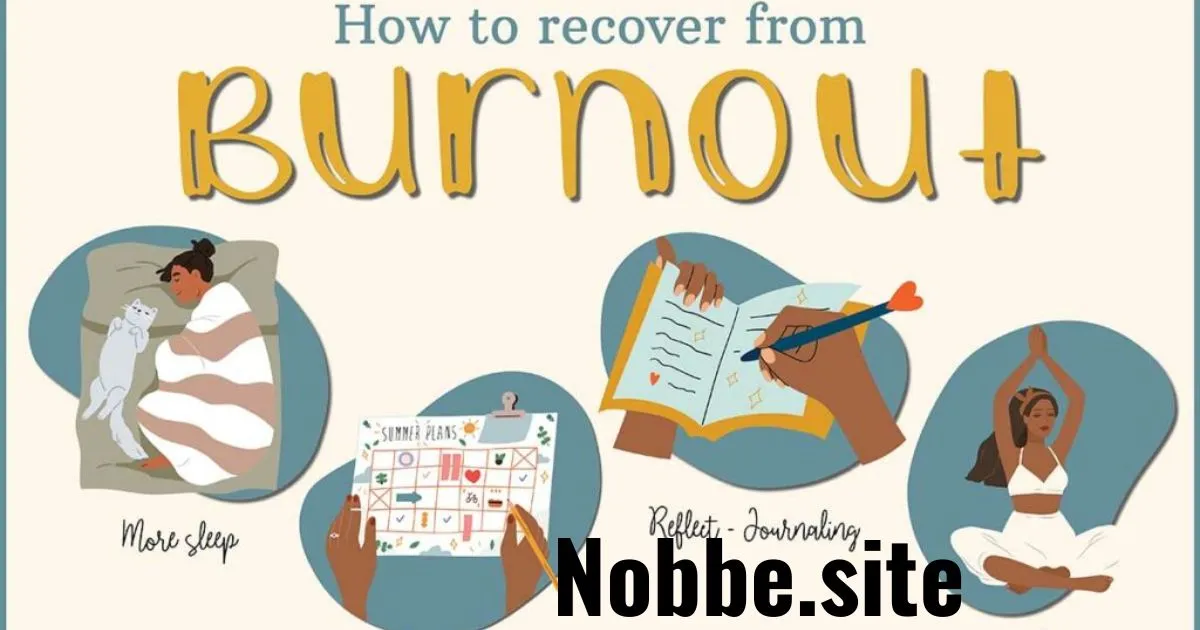
True recovery from chronic burnout requires more than just taking a weekend nap or taking a single day off. It requires a deliberate, tactical reset of your central nervous system.
Here is the fastest step-by-step protocol to pull yourself out of the burnout trap.
The Rest Paradox: True rest is not passive consumption. Scrolling through short-form videos on social media or watching intense television shows does not recover your brain; it actually adds more sensory stimulation. True rest means engaging in low-stimulation activities that allow your mind to wander and idle.
How to Prevent Future Burnout
Once you begin to recover, it is crucial to build systems that prevent you from falling back into the same exhausting loop:
-
The 80% Rule: Avoid operating at 100% capacity every single day. Aim to give 80% of your energy to your daily tasks, saving the remaining 20% as an emergency buffer for unexpected stressors or personal rejuvenation.
-
Schedule Non-Negotiable Self-Care: Treat your rest time exactly like an essential business meeting. Put it directly in your calendar, and do not cancel it for anyone else.
-
Track Your Early Warning Signs: Learn your body’s personal tells. Whether it is a tight jaw, an upset stomach, or sudden irritability over minor issues, use these signs as an immediate cue to step back and rest before full burnout hits.
Final Thoughts
Experiencing burnout is not a sign of weakness or a failure of your work ethic; it is a clear warning sign from your body that your current lifestyle is unsustainable. Healing takes time, but by enforcing strong boundaries and prioritizing genuine physiological rest, you can recover your energy, rebuild your focus, and return stronger than before.