Do you constantly find yourself saying “yes” to things you secretly want to say “no” to? Are you running on empty because you’re too busy managing everyone else’s happiness, schedules, and emotional states?
If you are nodding along, you are likely trapped in the exhausting cycle of people-pleasing. While being kind and helpful are wonderful traits, chronic people-pleasing isn’t about generosity—it’s a survival mechanism rooted in the fear of rejection or conflict. Over time, this behavior drains your physical, emotional, and mental battery.
It is time to take your power back. Here is a comprehensive guide on how to stop people-pleasing, set firm boundaries, and reclaim your vital energy.
Understanding the True Cost of People-Pleasing
People-pleasing is more than just being “too nice.” It is a subconscious habit where you prioritize other people’s needs, wants, and opinions above your own well-being.
When you constantly bend over backward to keep the peace, you pay a steep price:
-
Emotional Exhaustion: Burning the candle at both ends leaves you feeling depleted, anxious, and overwhelmed.
-
Resentment: Silently sacrificing your needs eventually breeds hidden anger toward the very people you are trying to please.
-
Loss of Identity: When you spend all your time being who others want you to be, you lose track of who you actually are, what you like, and what you value.
The Reality Check: You cannot pour from an empty cup. Saving others while drowning yourself helps absolutely no one.
Step-by-Step Guide to Stop People-Pleasing
Breaking a lifelong habit of people-pleasing won’t happen overnight, but by implementing these psychological shifts and practical strategies, you can steadily break free.
1. Identify Your Triggers and “Yes” Traps
Pay close attention to when and why you say yes. Is it out of guilt? Fear of being disliked? A desire for validation?
-
Keep a mental or physical journal for a week.
-
Note down the moments you agreed to something and immediately felt a pit in your stomach.
Recognizing these patterns is the first step toward changing them.
2. Practice the Power of the Pause
People-pleasers are notoriously fast at agreeing. The moment a request is made, the automatic reflex is, “Sure, I can do that!”
To break this loop, introduce a buffer period. When someone asks you for a favor, buy yourself some time using these phrases:
-
“Let me check my calendar and get back to you.”
-
“I need to think about that. Can I let you know by tomorrow?”
-
“I’m in the middle of something right now, let me review my schedule later.”
This pause removes the immediate pressure and gives you the logical space to evaluate if you actually have the time and energy to say yes.
3. Start Small with Micro-Boundaries
You don’t need to start by confronting your boss or your partner. Build your “boundary muscle” in low-stakes situations.
-
If a server brings you the wrong order, politely point it out instead of eating it anyway.
-
If a friend suggests a movie you have absolutely no interest in seeing, suggest an alternative.
As you see that the world doesn’t end when you voice a minor preference, your confidence to set bigger boundaries will grow.
4. Master the Art of a Polished “No”
Saying “no” is a skill. You do not need to over-explain, lie, or give a 10-minute speech justifying your decision. Over-explaining actually opens the door for people to negotiate with you.
Keep your rejections polite, firm, and concise:
-
“I’d love to help, but I don’t have the capacity for this right now.”
-
“Thank you for thinking of me, but I have to pass this time.”
-
“I can’t commit to that, but I hope it goes well!”
Remember, “No” is a complete sentence. You do not owe anyone an apology for protecting your personal peace.
How to Reclaim and Protect Your Energy
Once you start filtering out external demands, you will notice a sudden surplus of time and mental clarity. Here is how to channel that newfound freedom into rebuilding your energy reserves:
| Energy Drainers (Stop Doing) | Energy Reclaimers (Start Doing) |
| Saying “yes” immediately out of guilt | Taking 24 hours to consider requests |
| Fixing problems that aren’t yours to solve | Letting others handle their own responsibilities |
| Suppressing your feelings to avoid friction | Speaking your truth calmly and honestly |
| Checking emails and texts 24/7 | Setting digital and physical “off” hours |
Prioritize Radical Self-Care
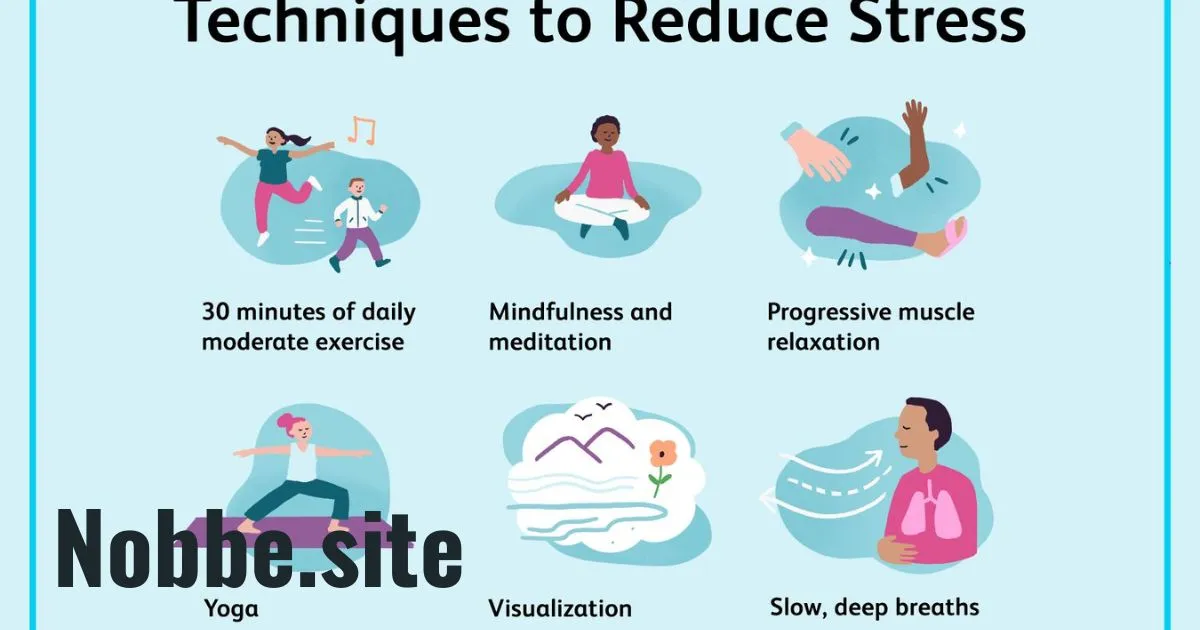
Self-care isn’t selfish; it is essential maintenance. Use your reclaimed time to engage in activities that fill your soul. Whether it is reading a book, going for a walk in nature, working out, or simply sitting in silence for 30 minutes—make your well-being a non-negotiable part of your daily routine.
Final Thoughts: Choose Authenticity Over Approval
The truth is, when you change your behavior and stop people-pleasing, some people in your life might get upset. The people who benefit from you having no boundaries are usually the ones who will complain when you finally set them.
Letting go of the need for universal approval is incredibly liberating. By reclaiming your energy, you aren’t becoming selfish—you are becoming authentic. You are finally giving yourself the same love, respect, and care that you have so freely given to the rest of the world.