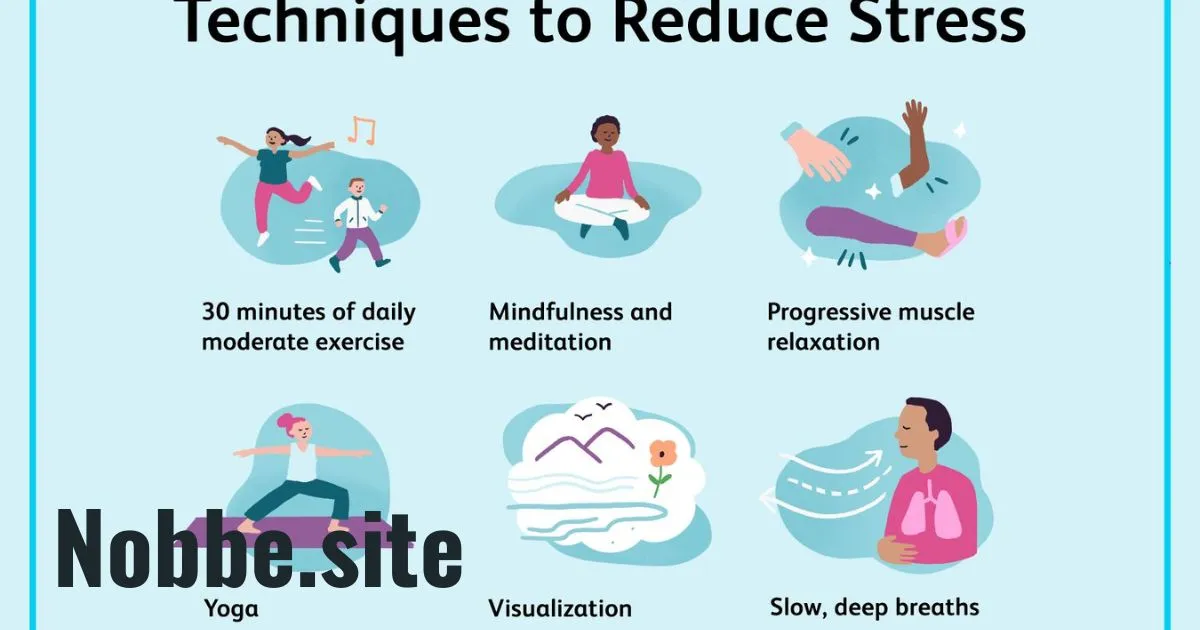
In today’s fast-paced corporate world, “the hustle” is often glorified. We wear our packed calendars and overflowing inboxes like badges of honor. However, there is a fine line between being productively busy and running yourself into the ground. When daily work pressure transitions from a motivating force into a permanent weight, you enter the danger zone: burnout.
According to recent workplace wellness studies, over 70% of professionals experience burnout at some point in their careers. Learning how to deal with work stress isn’t just about preserving your mental health; it’s about sustaining your long-term career success.
This guide breaks down actionable, science-backed strategies to manage workplace anxiety, reclaim your work-life balance, and stop burnout before it stops you.
Understanding the Difference: Stress vs. Burnout
Before you can fix the problem, you need to identify it. Work stress and burnout are closely related, but they are not the same thing.
-
Work Stress is characterized by over-engagement. You have too much on your plate, you feel pressured, and you are putting in hyper-reactive energy. However, you still believe that if you can just get everything under control, you will feel better.
-
Burnout is characterized by disengagement. It is the result of prolonged, unmanaged chronic stress. When you are burned out, you feel emotionally drained, completely unmotivated, and cynical about your job. You feel like nothing you do matters anymore.
If stress is like drowning in responsibilities, burnout is feeling completely dried up.
Actionable Strategies to Manage Daily Work Stress
You cannot always control your workload, but you can control your physiological and psychological response to it. Here are the best ways to keep daily stress from accumulating.
1. Master the Art of Boundary Setting
The rise of remote work and smartphones means we are accessible 24/7. To protect your peace, you must set firm boundaries.
-
Set Digital Curfews: Turn off work notifications by 6:00 PM. If someone emails you at night, let it wait until morning.
-
Learn to Say No: If your plate is full and your manager tries to hand you a new project, reframe the conversation: “I am happy to take this on, but which of my current high-priority tasks should I deprioritize to make room for it?”
2. Practice the “Micro-Break” Technique
Sitting at a desk for four hours straight spikes cortisol (the stress hormone). Break the cycle by implementing micro-breaks using the Pomodoro Technique:
-
Work intensely for 25 minutes.
-
Step away from the screen for 5 minutes (stretch, grab water, look out a window).
-
Every four cycles, take a longer 20-minute break.
These small pauses give your nervous system a chance to reset, keeping your cognitive performance sharp.
3. Prioritize Ruthlessly
When everything feels urgent, nothing is. Use the Eisenhower Matrix to divide your tasks into four quadrants: Urgent and Important, Important but Not Urgent, Urgent but Not Important, and Neither. Focus 80% of your energy on what truly moves the needle and delegate or drop the rest.
How to Avoid Burnout and Reclaim Your Life
If you feel yourself sliding from standard stress into true burnout, lifestyle changes are required.
1. Disconnect Completely on Weekends
A weekend spent checking Slack or thinking about Monday’s presentation is not a weekend—it’s just working from a different room. Dedicate your days off to activities that have absolutely nothing to do with your professional identity. Engage in hobbies, spend time in nature, or catch up with friends.
2. Prioritize Sleep and Movement
Physical resilience directly dictates mental resilience.
-
Sleep: Chronic sleep deprivation mimics the symptoms of anxiety and depression. Aim for 7 to 8 hours of quality sleep to let your brain flush out toxins built up during the day.
-
Exercise: You don’t need to run a marathon. Just 20 minutes of moderate movement (like a brisk walk) releases endorphins that act as natural stress relievers.
3. Re-evaluate Your “Why”
Burnout often happens when there is a mismatch between your values and your work. Take time to reflect: Are you working hard toward a goal you actually care about, or are you just running on a treadmill? If your current job environment is fundamentally toxic or unfulfilling, it might be time to start drafting an exit strategy.
The Bottom Line: Self-Care is Not Selfish
Reclaiming your life from chronic work stress requires a shift in mindset. Taking breaks, turning off your phone, and prioritizing your well-being are not signs of weakness; they are prerequisites for high performance.
You cannot pour from an empty cup. By implementing boundaries, scheduling micro-breaks, and protecting your personal time, you can excel in your career without sacrificing your health.
If you feel completely overwhelmed and unable to cope, consider speaking to a mental health professional or human resources representative. Your job is replaceable; your health is not.