Life has a habit of throwing curveballs when we least expect them. Whether it’s global economic shifts, sudden career changes, or personal upheavals, uncertainty is an inevitable part of the human experience. However, while we cannot always control our circumstances, we can absolutely control how we respond to them.
Building mental resilience is the key to navigating these turbulent waters. It isn’t about avoiding stress or masking your emotions with toxic positivity; it’s about developing the psychological fortitude to adapt, endure, and grow through adversity.
Here is a comprehensive, actionable guide on how to build mental resilience and protect your well-being during uncertain times.
Understanding Mental Resilience
Before diving into the strategies, it’s important to understand what resilience actually is. Think of resilience as a psychological muscle. Just like physical muscles, it requires intentional training, the right fuel, and adequate rest to grow stronger.
Resilience is not a fixed trait. It is a dynamic set of behaviors, thoughts, and actions that anyone can learn and develop over time.
1. Focus on What You Can Control
When uncertainty strikes, our minds tend to spiral into “what-if” scenarios. This anxiety usually stems from trying to control external factors that are entirely out of our hands.
To build resilience, you must master the art of compartmentalization:
-
The Circle of Concern: This includes things like the global economy, the weather, or other people’s reactions. Spending energy here leads to helplessness.
-
The Circle of Control: This includes your daily routine, your media consumption, how you treat others, and your mindset.
Action Tip: When you feel overwhelmed, draw two columns on a piece of paper. Label one “Out of My Control” and the other “In My Control.” Write down your worries accordingly, and consciously pivot your energy toward the second column.
2. Cultivate a Growth Mindset
Psychologist Carol Dweck coined the term growth mindset—the belief that abilities and intelligence can be developed through dedication and hard work. In uncertain times, a growth mindset shifts your perspective from “Why is this happening to me?” to “What can I learn from this?”
When you view challenges as opportunities to learn rather than insurmountable roadblocks, you reduce the threat response in your brain. This allows you to think more logically and creatively when solving problems.
3. Establish a Daily Routine
Uncertainty disrupts our sense of predictability, which can trigger the body’s stress response. One of the simplest ways to counter this is by creating a structured daily routine.
A consistent routine acts as an anchor. It signals to your brain that despite the chaos in the outside world, there is still order and safety in your immediate environment.
Elements of a Resilient Daily Routine:
| Category | Activities |
| Morning Anchor | Waking up at the same time, stretching, or reading. |
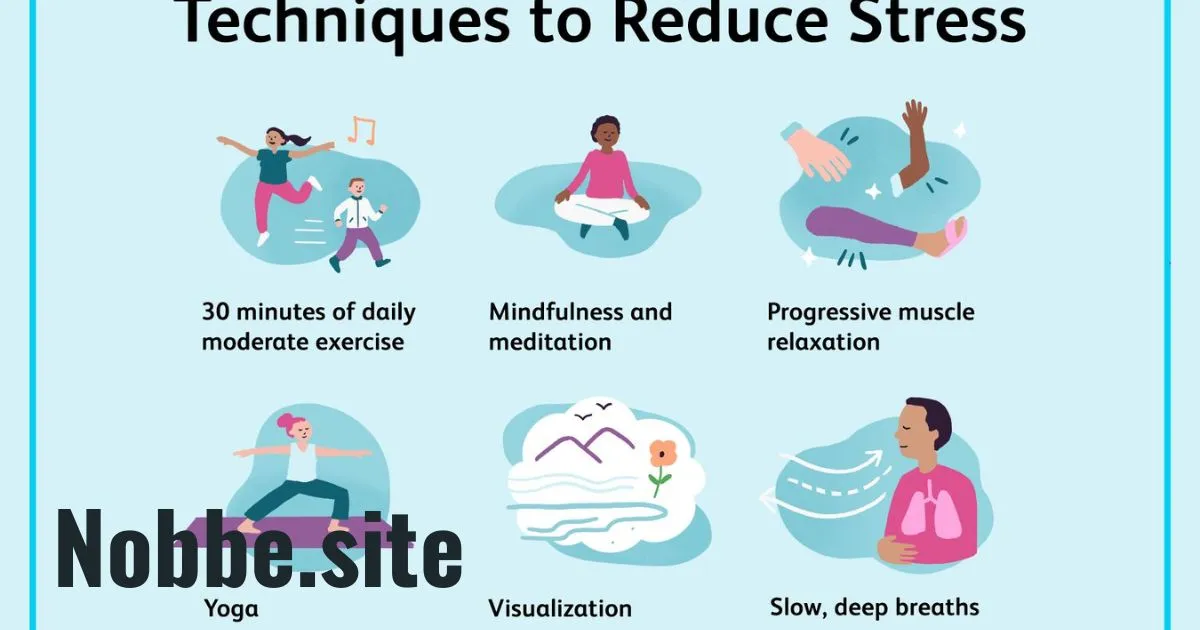
| Physical Well-being | 30 minutes of movement, staying hydrated, and balanced meals. |
| Mindfulness | Meditation, deep breathing exercises, or journaling. |
| Evening Wind-down | Disconnecting from screens 1 hour before bed to ensure quality sleep. |
4. Practice Strategic Media Consumption
While staying informed is crucial, constant exposure to negative news cycles can severely impair your mental health. The human brain is naturally wired with a negativity bias, meaning we pay more attention to threats than to positive stimuli.
Protect your peace by setting strict boundaries around information consumption. Choose one or two reliable news sources, check them once or twice a day, and avoid scrolling through social media right before bed or immediately after waking up.
5. Strengthen Your Social Connections
Resilience is not a solo sport. Independent people often pride themselves on “toughing it out” alone, but true psychological resilience relies heavily on a strong support system.
Connecting with friends, family, or support groups provides an outlet to share your burdens. Simply verbalizing your fears to an empathetic listener can significantly lower your cortisol (stress hormone) levels. Conversely, make sure you are also offering support to others; helping someone else is one of the fastest ways to boost your own sense of purpose.
6. Reframe Negative Thoughts
The way we talk to ourselves matters. Cognitive Behavioral Therapy (CBT) emphasizes that our thoughts dictate our feelings and behaviors. When faced with uncertainty, we often fall into cognitive distortions, such as catastrophizing (assuming the absolute worst will happen).
Practice cognitive reframing by challenging your automatic negative thoughts.
-
Instead of thinking: “Everything is ruined, and I’ll never recover.”
-
Try thinking: “This is a highly challenging situation, but I have survived tough times before, and I will figure out the next step.”
Conclusion: Resilience is a Journey
Building mental resilience does not happen overnight. It is a continuous journey made up of small, daily choices. By focusing on what you can control, maintaining a routine, protecting your mental space, and leaning on your community, you can transform uncertainty from a source of paralyzing fear into a catalyst for profound personal growth.