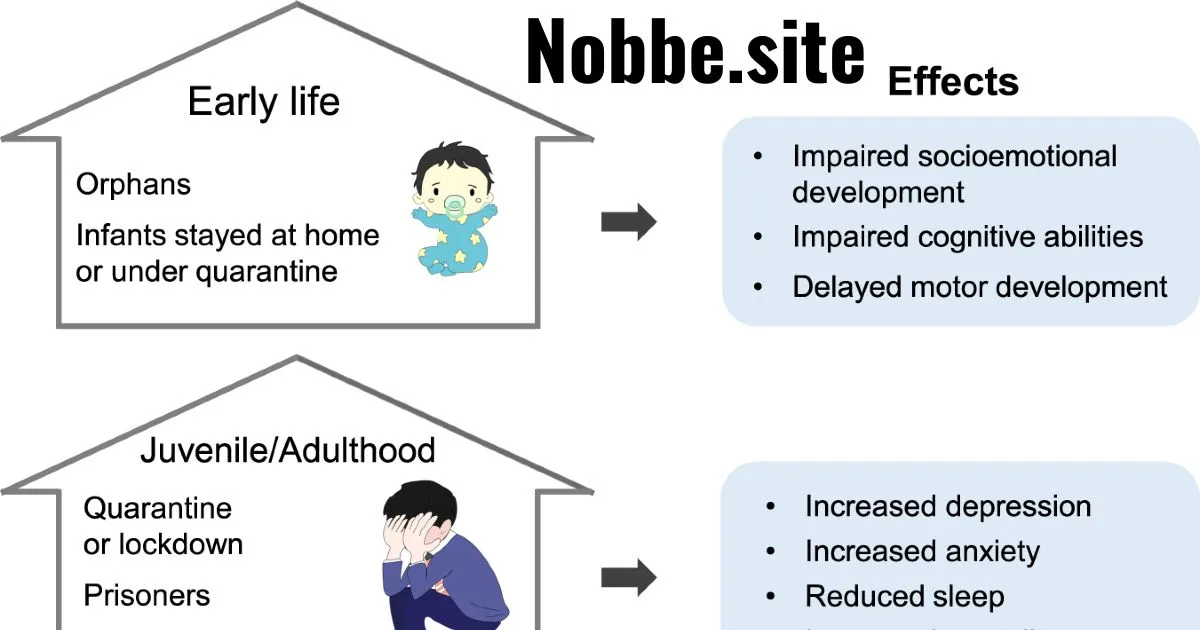
Humans are fundamentally wired for connection. For thousands of years, our survival depended on living in tribes. When we are cut off from others, our biology registers that detachment not just as sadness, but as a physical threat.
While we often talk about the emotional toll of loneliness, neuroscience reveals a deeper reality: prolonged social isolation changes the physical structure and chemistry of the human brain.
Understanding how isolation alters your neural pathways is the first step toward reversing its effects. Here is a look at what happens beneath the surface when we are alone, alongside actionable, science-backed strategies to rebuild meaningful connections.
The Neuroscience of Loneliness: What Happens Inside the Brain?
When a person experiences chronic social isolation, the brain enters a state of hyper-vigilance. It begins to view the world through a lens of threat, triggering a cascade of neurological shifts.
Neuroscientists have identified three major regions of the brain that bear the brunt of prolonged isolation:
1. The Prefrontal Cortex (PFC) Shrinks
The prefrontal cortex is the executive command center of your brain. It manages decision-making, social behavior, focus, and emotional regulation. Studies show that under chronic isolation, the gray matter volume in the PFC decreases. This shrinkage is why lonely individuals often struggle with impulse control, experience increased anxiety, and find it harder to concentrate on daily tasks.
2. The Amygdala Goes Into Overdrive
The amygdala is the brain’s alarm system, responsible for the “fight or flight” response. In isolated individuals, the amygdala becomes hyperactive. Because the brain lacks the comforting, regulating input of social feedback, it begins to perceive benign social cues as hostile. This creates a painful paradox: isolation makes you crave connection, but an overactive amygdala makes you fear and avoid it.
3. The Hippocampus Loses Neurogenesis
The hippocampus is vital for memory formation and spatial awareness. It is also one of the few brain regions capable of neurogenesis (growing new neurons). Social isolation severely halts this process. Lowered neurogenesis in the hippocampus is directly linked to cognitive decline, memory lapses, and a higher risk of developing depressive disorders.
The Physical Cost of Neural Loneliness
The brain does not suffer alone; it signals the rest of the body to adapt to its perceived danger. These neurological shifts manifest as physical health risks that parallel some of the most severe lifestyle diseases.
The 15-Cigarette Metric: According to robust data from Brigham Young University, the health damage caused by chronic social isolation is equivalent to smoking roughly 15 cigarettes a day, making it more dangerous than obesity or physical inactivity.
| Brain/Body System | Effect of Chronic Isolation | Long-Term Health Risk |
| HPA Axis (Stress Response) | Constant cortisol (stress hormone) release | Chronic inflammation, compromised immune system |
| Cardiovascular Network | Elevated blood pressure and vascular resistance | 29% increase in heart disease risk; 32% increase in stroke risk |
| Sleep Architecture | Fragmented sleep; loss of deep restorative stages | Chronic fatigue, accelerated cellular aging |
Rewiring the Brain: How to Safely Reconnect
The good news is that the human brain possesses neuroplasticity—the ability to adapt, heal, and remodel its pathways. Just as isolation can shrink certain brain areas, intentional social interaction can stimulate growth and restore balance.
If you or someone you know is trying to break out of a cycle of isolation, use these incremental steps to safely guide the brain back to a state of connection.
Final Thoughts: Treat Connection as a Vital Nutrient
We tend to treat socializing as a leisure activity—something to do only when our work and chores are finished. However, cognitive science proves that meaningful interaction is a basic biological need, just like clean water, nutrition, and sleep.
If you have been feeling isolated, remember that your brain’s hesitation to reach out is a physiological side effect of loneliness, not a personal flaw. By taking small, structured steps to reconnect, you can quiet your brain’s alarm systems, stimulate neurogenesis, and reclaim your mental well-being.