For generations, society has often conditioned us to view crying as a sign of weakness. We are told to “toughen up,” “wipe away those tears,” or keep a stiff upper lip. However, modern psychology and neuroscience tell a completely different story.
Crying is not a symptom of vulnerability; it is a highly evolved, sophisticated biological tool designed to protect, heal, and restore the human mind. If you have been holding back your tears, here is a deep look into the science-backed reasons why crying is incredibly good for your emotional health.
1. The Chemistry of Tears: Not All Tears Are Equal
To understand why crying helps your emotional state, you first need to understand that your body produces three distinct types of tears:
-
Basal tears: These constantly coat your eyes to keep them moist and dirt-free.
-
Reflex tears: These flush out irritants like smoke, dust, or onion vapors.
-
Emotional tears: These are triggered by intense feelings like sadness, grief, anxiety, or even extreme joy.
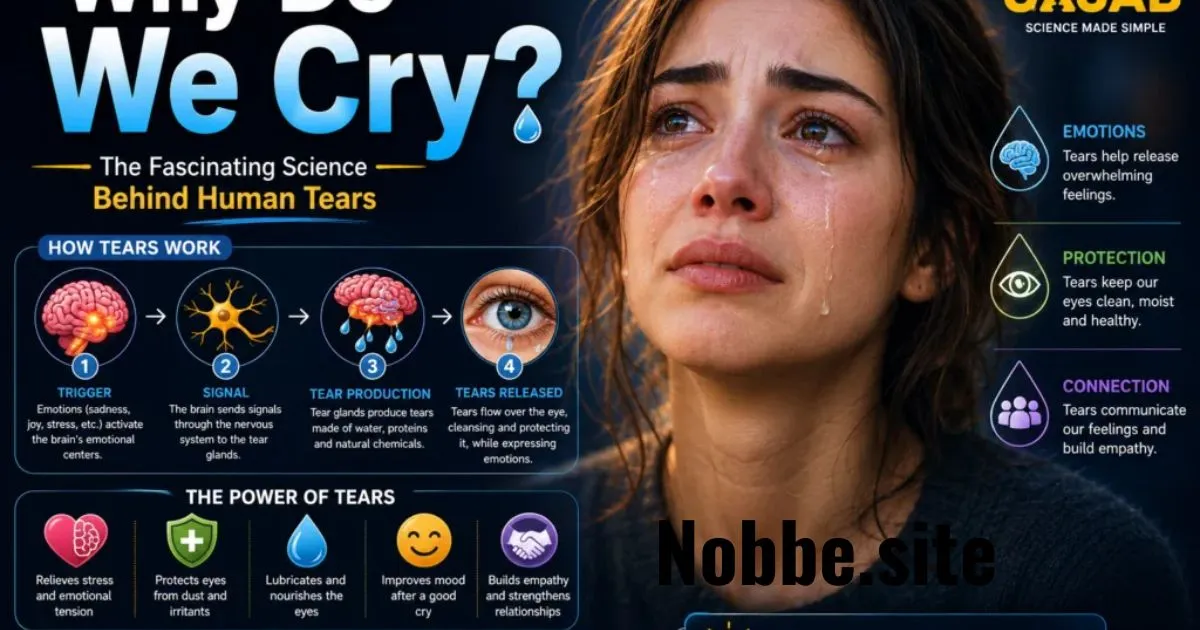
Scientists have discovered that the chemical makeup of emotional tears is entirely unique. According to groundbreaking research by biochemist Dr. William Frey, emotional tears contain significantly higher levels of stress hormones and toxins than reflex tears.
When you shed emotional tears, your body is literally flushing out excess adrenocorticotropic hormone (ACTH)—a chemical linked to high stress levels—and leucine-enkephalin, a natural painkiller. In short, crying is a physical detoxification process for your emotional brain.
2. It Activates the Parasympathetic Nervous System (PNS)
When you experience intense emotional stress, your body enters a “fight or flight” mode controlled by the sympathetic nervous system. Your heart rate increases, your muscles tense, and your anxiety levels spike.
Crying acts as a natural brake system. Studies show that emotional crying stimulates the parasympathetic nervous system (PNS). The PNS is responsible for the body’s “rest and digest” state. As you cry, your breathing slows down, your heart rate stabilizes, and a profound sense of physical relaxation washes over you. This is why you often feel a wave of calmness right after a heavy sobbing session.
3. The Natural High: Release of Endorphins and Oxytocin
Have you ever noticed that you feel a strange sense of relief, or even a slight mood boost, after a good cry? That is not just a psychological trick; it is neurochemistry at work.
Crying triggers the brain to release two essential chemicals:
-
Oxytocin: Often called the “love hormone,” oxytocin promotes feelings of warmth, safety, and social connection.
-
Endorphins: These are the body’s natural “feel-good” chemicals that help dull physical and emotional pain.
When these chemicals flood your system, they soothe emotional distress and provide a mild sedative effect. It acts as a built-in, completely free mechanism to self-soothe when external comfort isn’t available.
4. It Prevents Emotional “Boiling Over”
Suppressing your feelings doesn’t make them go away; it simply stores them in your body. Psychologists refer to this as repressive coping. When you constantly hold back tears, that emotional energy turns into chronic stress, which can manifest as irritability, insomnia, anxiety, or even physical illness.
Allowing yourself to cry serves as an emotional safety valve. It releases the accumulated pressure of grief, frustration, or sadness before it boils over into a deeper mental health crisis.
5. Crying Builds Social Connection and Empathy
From an evolutionary standpoint, crying is a powerful non-verbal communication tool. Human beings are social creatures, and a tear-streaked face is a universal distress signal that bypasses language barriers.
When others see you cry, it triggers an empathetic response in their brains. It signals that you are vulnerable and in need of support. By allowing yourself to be vulnerable enough to cry around trusted friends or family, you strengthen emotional bonds, invite comfort, and build a stronger community support system around yourself.
The “Crying Hangover”: A Quick Note If you feel exhausted or get a slight headache after crying, don’t worry—this is completely normal. The intense physical release and subsequent drop in stress hormones require energy. Rest up and drink a glass of water; your body is simply resetting its baseline.
Conclusion: Embrace Your Tears
Crying is not a sign that you are broken; it is proof that your body’s natural healing system is working exactly as it should. It lowers your stress hormones, protects your nervous system, signals for help, and clears out emotional clutter.
The next time you feel the sting of tears behind your eyes, don’t force them back down. Find a safe space, let them flow, and honor your body’s built-in mechanism for emotional health.