From the outside, you look like the definition of success. You hit your deadlines, maintain a pristine calendar, keep up with social commitments, and always show up with a smile. People often compliment you on your work ethic, organizational skills, and calm demeanor under pressure.
But beneath that flawless exterior, your mind is racing. You are constantly propelled forward by a persistent, invisible force: anxiety.
This paradox is known as high-functioning anxiety. While it isn’t an official clinical diagnosis in the DSM-5, it is a very real, incredibly exhausting psychological experience. Instead of causing a “freeze” or “flight” response that paralyzes you, high-functioning anxiety drives a “fight” or “over-achieve” response.
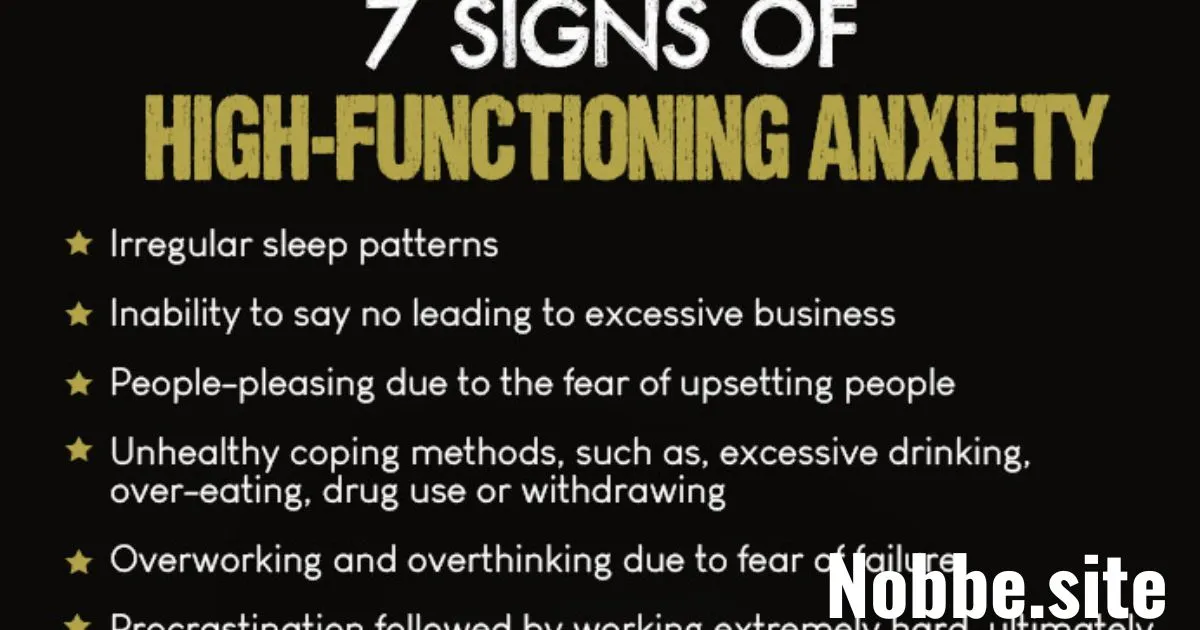
Are you truly thriving, or are you just incredibly good at hiding the struggle? Here are 7 telling signs you might be suffering from high-functioning anxiety.
1. You Are Driven by a Deep Fear of Failure
For someone with high-functioning anxiety, the primary motivator isn’t passion or ambition—it is fear. You might find yourself working late hours, checking emails at midnight, or obsessing over minor details because the thought of making a mistake feels catastrophic. You use perfectionism as a shield to protect yourself from criticism, judgment, or the feeling of inadequacy.
2. You Have an Inability to Relax or “Turn Off” Your Brain
Do you struggle to sit still? When you finally have a free evening or a weekend off, do you feel an overwhelming sense of guilt for not being productive? High-functioning anxiety makes downtime feel uncomfortable. Your mind is constantly scanning for the next task, rewinding past conversations, or projecting worst-case scenarios into the future.
3. You Say “Yes” to Everything (People-Pleasing)
Boundaries are incredibly difficult to maintain when you live with hidden anxiety. You have an intense fear of letting others down or being perceived as incompetent. As a result, you take on extra projects at work, volunteer for things you don’t have time for, and constantly people-please—even when your plate is already overflowing.
4. You Experience Chronic Physical Symptoms
Anxiety isn’t just a mental game; it manifests heavily in the body. Because you suppress your mental stress to stay functional, it often leaks out physically. Common signs include:
-
Persistent muscle tension (especially in the jaw, neck, and shoulders)
-
Frequent headaches or migraines
-
Gastrointestinal issues or an upset stomach
-
Difficulty falling asleep or staying asleep despite feeling exhausted
5. You Overthink and Overanalyze Everything
A hallmark sign of high-functioning anxiety is the endless mental loop of overanalysis. If a friend takes a few hours to reply to a text, you assume they are angry with you. If a manager sends a vague calendar invite, you immediately assume you are getting fired. You read between lines that aren’t even there, constantly searching for hidden meanings and threats.
6. You Struggle with Decision Fatigue
Because every outcome feels like a matter of life or death to an anxious mind, making simple choices can feel completely overwhelming. Whether it is choosing a restaurant for dinner, picking an outfit, or deciding how to word an email, you get stuck in “analysis paralysis.” You spend an excessive amount of time weighing pros and cons for minor daily decisions.
7. You Rely heavily on Rigid Routines and Control
To keep the internal chaos at bay, you likely rely on strict schedules, lists, and routines. Having control over your immediate environment makes you feel safe. However, if a plan changes last minute, a flight gets delayed, or someone disrupts your routine, it can trigger a disproportionate wave of panic or irritability.
The Cost of the “High-Functioning” Label
The biggest danger of high-functioning anxiety is that it often goes unnoticed and untreated. Because your anxiety produces positive external results—like promotions, good grades, or a clean house—society rewards your symptoms.
But internal success matters just as much as external success. Living in a constant state of hyper-vigilance inevitably leads to severe burnout, emotional exhaustion, and a diminished quality of life.
How to Start Healing
If you recognized yourself in these signs, know that you don’t have to live on the brink of exhaustion. Healing starts with small steps:
-
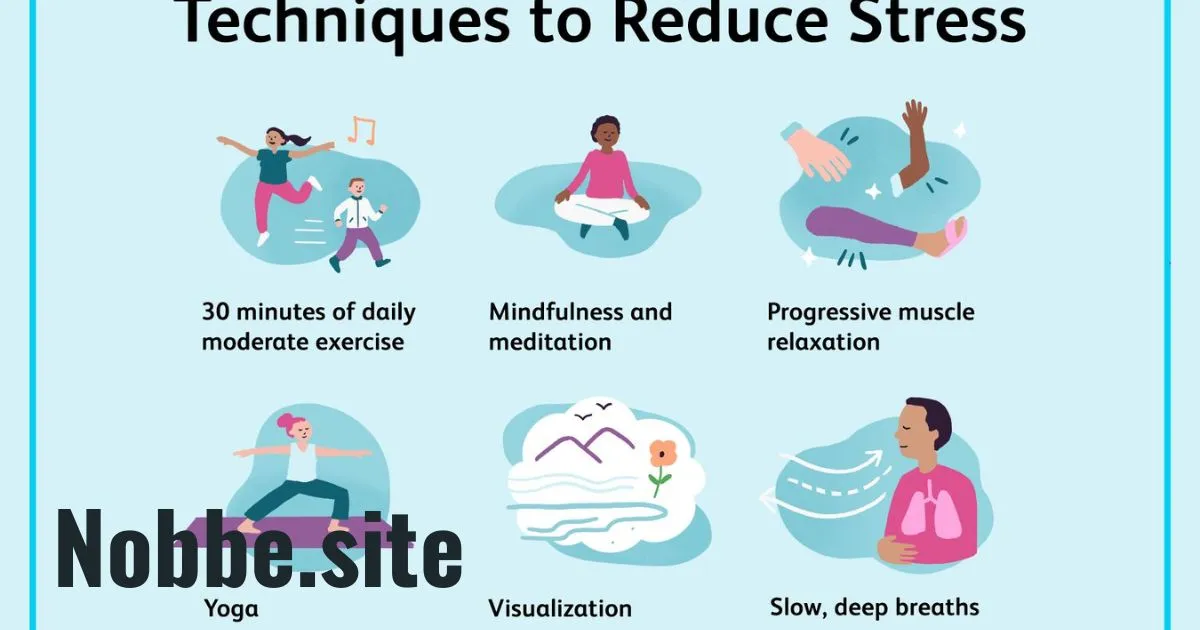
Practice Mindfulness: Ground yourself in the present moment when your mind starts racing into the future.
-
Set Boundaries: Start practicing the art of saying “no” to protect your energy.
-
Challenge Your Perfectionism: Remind yourself that mistakes are a normal part of being human, not a reflection of your worth.
-
Seek Professional Support: A therapist can help you develop healthy coping mechanisms to replace the anxious coping strategies you currently rely on.