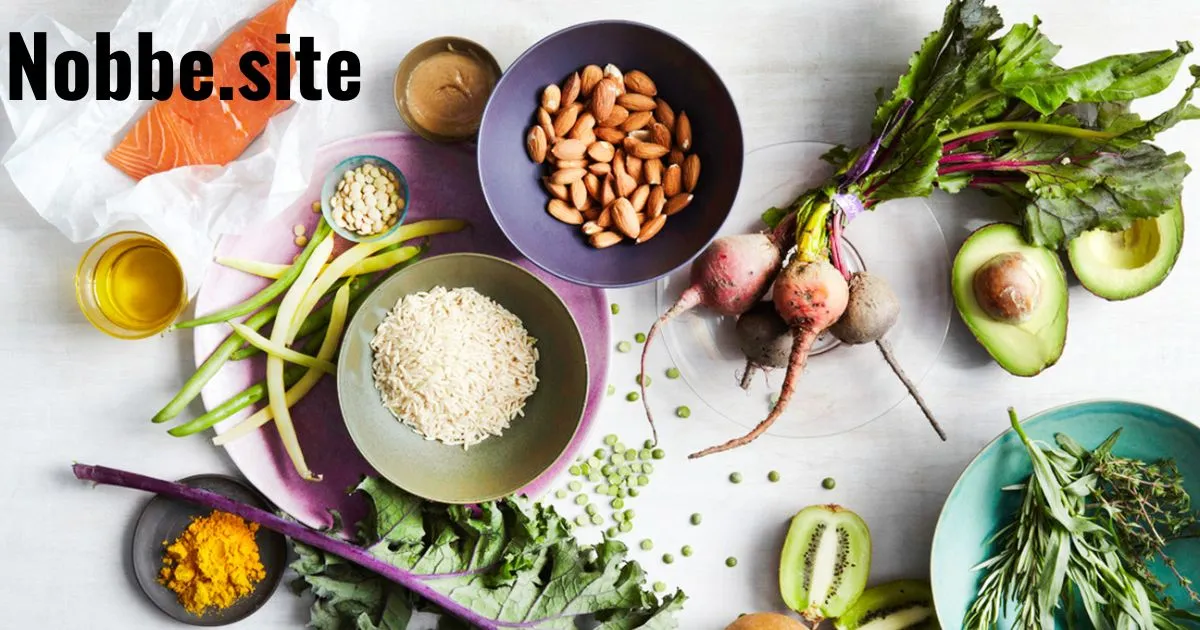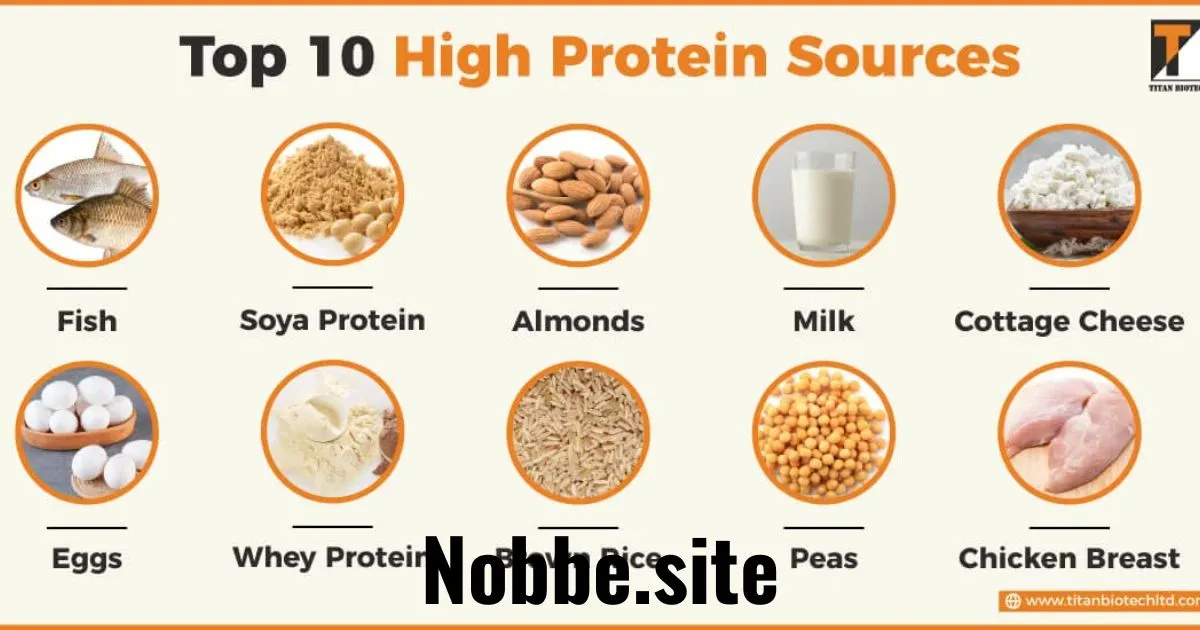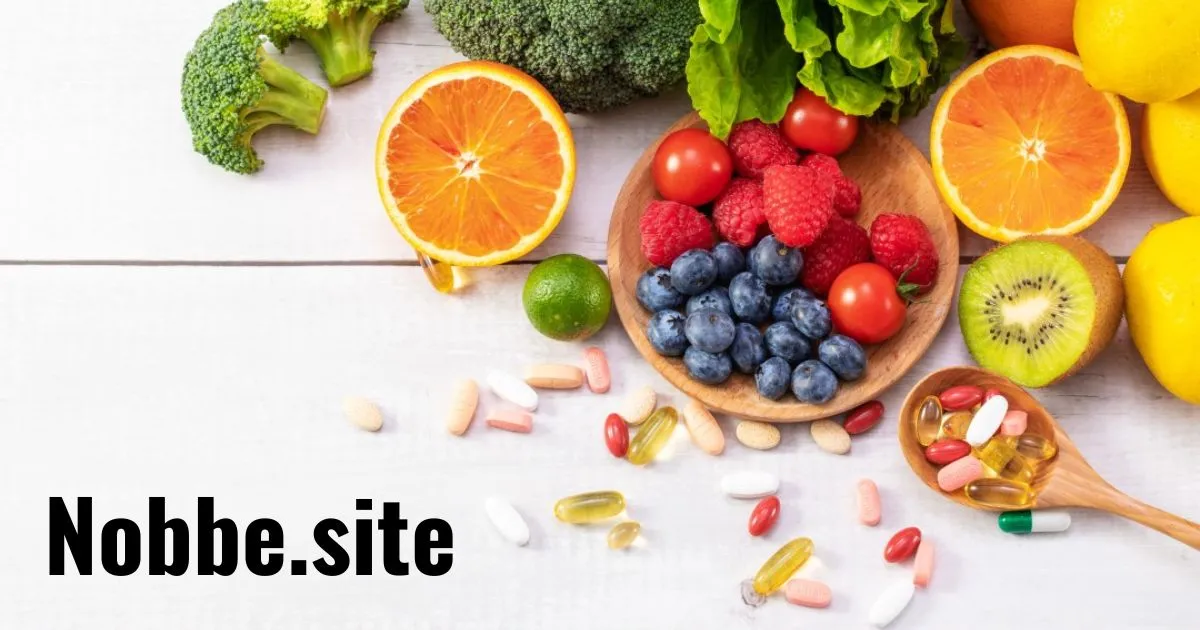
In today’s fast-paced world, maintaining optimal health can feel like a jigsaw puzzle. We count calories, monitor macros, and track our daily steps. However, the real unsung heroes of our well-being are micronutrients: vitamins and minerals.
While your body only requires them in tiny amounts, they serve as the foundational building blocks for energy production, immune function, blood clotting, and cellular repair. Without them, your body’s daily operations would quickly grind to a halt.
This ultimate guide breaks down the essential vitamins and minerals your body needs, their health benefits, and the best whole-food sources to include in your diet.
Vitamins vs. Minerals: What is the Difference?
Before diving into the specifics, it is essential to understand how these two categories differ:
-
Vitamins: These are organic compounds created by plants or animals. They can be broken down by heat, air, or acid—which means how you cook your food can sometimes impact their potency.
-
Minerals: These are inorganic elements that originate in soil and water. They are absorbed by plants or eaten by animals. Minerals hold onto their chemical structure, making them incredibly stable.
Vitamins are further divided into water-soluble (vitamins that your body doesn’t store, flushing out the excess in urine) and fat-soluble (vitamins absorbed along with fats and stored in your liver and fatty tissues for future use).
The Essential Fat-Soluble Vitamins
Because fat-soluble vitamins are stored long-term, balance is key. The four essential fat-soluble vitamins include:
Vitamin A (The Vision Booster)
-
Why you need it: Crucial for maintaining healthy eyesight, immune defense, and cellular growth.
-
Top food sources: Sweet potatoes, carrots, spinach, kale, and beef liver.
Vitamin D (The Sunshine Vitamin)
-
Why you need it: Works hand-in-hand with calcium to build strong bones and teeth. It also regulates immune function and reduces inflammation.
-
Top food sources: Fatty fish (salmon, mackerel), fortified dairy products, egg yolks, and direct sunlight exposure.
Vitamin E (The Antioxidant Shield)
-
Why you need it: Acts as a powerful antioxidant, protecting your cells from oxidative stress and damage caused by free radicals.
-
Top food sources: Almonds, sunflower seeds, spinach, and avocados.
Vitamin K (The Clotting Agent)
-
Why you need it: Essential for blood clotting and bone metabolism, ensuring injuries heal properly.
-
Top food sources: Leafy greens (broccoli, Brussels sprouts, cabbage, and collard greens).
The Essential Water-Soluble Vitamins
Since your body cannot store these, you need a steady daily supply through your diet.
The Vitamin B Complex (The Energy Producers)
The B vitamin family comprises eight distinct nutrients, including B1 (thiamine), B2 (riboflavin), B3 (niacin), B5 (pantothenic acid), B6 (pyridoxine), B7 (biotin), B9 (folate/folic acid), and B12 (cobalamin).
-
Why you need them: They are the primary drivers for converting food into usable cellular energy. They also support brain function, red blood cell production, and DNA synthesis.
-
Top food sources: Whole grains, eggs, poultry, lean meats, legumes, seeds, and leafy dark greens.
Vitamin C (The Immunity Engine)
-
Why you need it: Boosts your immune system, aids iron absorption, and is vital for collagen production (which keeps your skin plump and joints healthy).
-
Top food sources: Citrus fruits (oranges, lemons), bell peppers, strawberries, kiwifruit, and tomatoes.
Essential Minerals: Macrominerals & Trace Minerals
Minerals are divided into macrominerals (needed in larger amounts) and trace minerals (needed in smaller quantities). Both are equally vital for daily survival.
Calcium (The Bone Architect)
-
Why you need it: The most abundant mineral in the body. It builds bone density, enables muscle contractions, and supports cardiovascular function.
-
Top food sources: Milk, cheese, yogurt, fortified plant milks, tofu, and sardines.
Magnesium (The Relaxation Mineral)
-
Why you need it: Involved in more than 300 biochemical reactions in the human body, including regulating muscle and nerve function, blood pressure, and sleep quality.
-
Top food sources: Dark chocolate, pumpkin seeds, black beans, almonds, and spinach.
Iron (The Oxygen Lifeline)
-
Why you need it: A vital component of hemoglobin, the protein in red blood cells that transfers oxygen from your lungs to the rest of your body.
-
Top food sources: Red meat, lentils, spinach, quinoa, and fortified cereals. (Tip: Pair plant-based iron with Vitamin C to double absorption!)
Zinc (The Defense Mechanism)
-
Why you need it: Supports your immune system in fighting off invading bacteria and viruses. It is also crucial for taste, smell, and wound healing.
-
Top food sources: Oysters, beef, chickpea, lentils, and pumpkin seeds.
A Note on Supplementation: While synthetic multivitamin supplements can bridge nutritional gaps—especially for pregnant women, vegans, or individuals with specific medical conditions—they should never replace a balanced diet. Whole foods provide a complex matrix of fiber, antioxidants, and synergistic nutrients that pills simply cannot replicate.
Summary Checklist for Daily Nutrition
| Nutrient | Primary Focus | Star Food Source |
| Vitamin A | Eye health and immunity | Carrots & Sweet potatoes |
| Vitamin B Complex | Metabolic energy & Brain function | Whole grains & Lean meats |
| Vitamin C | Collagen production & Immunity | Citrus fruits & Bell peppers |
| Vitamin D | Calcium absorption & Bone strength | Sunlight & Fatty fish |
| Calcium | Bone density & Muscle contraction | Dairy & Leafy greens |
| Iron | Oxygen transport in blood | Red meat & Lentils |
| Magnesium | Muscle relaxation & Enzyme regulation | Dark chocolate & Nuts |
Final Thoughts: Fuel Your Body Right
Achieving a vibrant, healthy life doesn’t require obsessive tracking of every single micro-gram. Instead, focus on eating the rainbow. By filling your plate with diverse, colorful whole foods—ranging from deep leafy greens to bright orange berries and lean proteins—you naturally provide your body with the diverse toolkit of vitamins and minerals it needs to thrive.