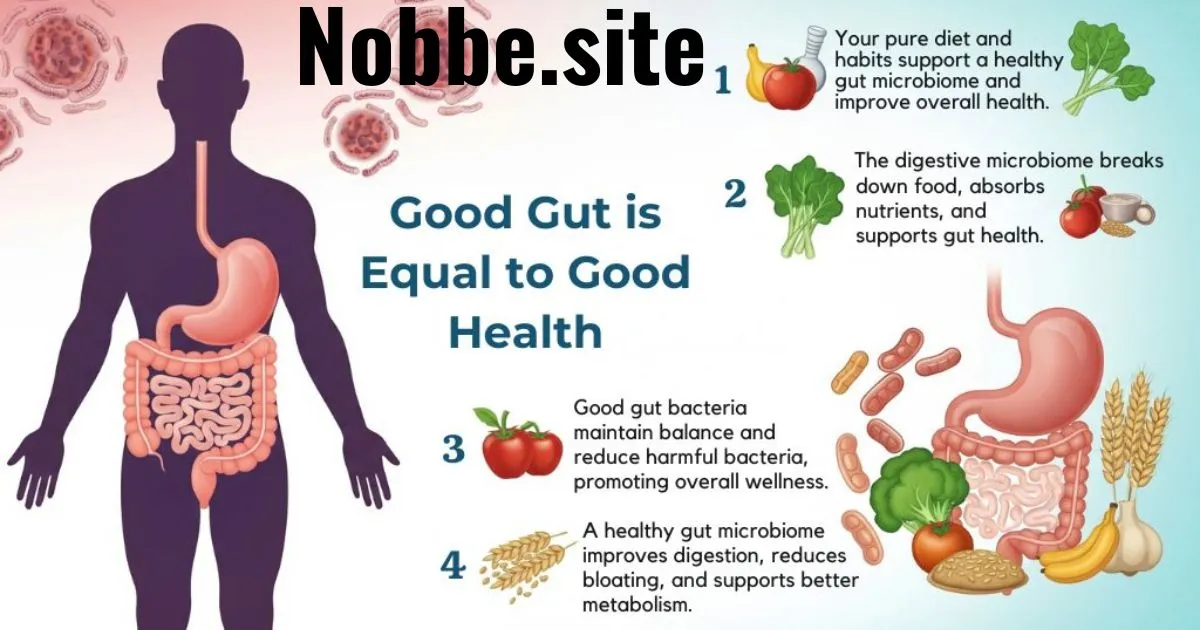
When you think of health, your mind might jump to heart health, lung capacity, or muscle strength. However, one of the most critical systems influencing your overall well-being is nestled right in your digestive tract. Often referred to as the “second brain,” your gut plays a foundational role in everything from your immune system to your daily mood.
Understanding why gut health matters—and how to care for it naturally—is one of the most transformative steps you can take for your long-term wellness.
Understanding the Gut Microbiome
Inside your digestive system lives a complex ecosystem comprised of trillions of microorganisms, including bacteria, fungi, and viruses. This is known as the gut microbiome.
Not all bacteria are bad; in fact, a diverse and thriving community of “good” bacteria is essential for survival. When your gut microbiome is balanced, these microbes work in harmony to break down food, synthesize vitamins, and protect against harmful pathogens. However, when the balance shifts—a state known as dysbiosis—it can trigger a cascade of health issues across your entire body.
Why Gut Health Matters: The Whole-Body Connection
Your gut doesn’t work in isolation. It communicates constantly with other major vital systems, making its health a primary driver of your total physical and mental state.
1. The Immune System Powerhouse
Did you know that roughly 70% of your immune system resides in your gut? The gut lining acts as a crucial barrier, deciding what enters your bloodstream and what gets filtered out. A healthy gut ensures that your immune cells can effectively identify and fight off infections, reducing chronic, low-grade inflammation.
2. The Gut-Brain Axis and Mental Health
If you have ever felt “butterflies” in your stomach when nervous, you have experienced the gut-brain axis firsthand. Your gut and brain are physically and biochemically connected through the vagus nerve. Remarkably, about 95% of serotonin—the neurotransmitter responsible for regulating mood, sleep, and appetite—is produced in the gut. An unbalanced gut is frequently linked to brain fog, anxiety, and mood fluctuations.
3. Efficient Nutrient Absorption
You aren’t just what you eat; you are what you absorb. A compromised gut lining cannot effectively extract vitamins, minerals, and fatty acids from your food. This can leave you feeling chronically fatigued and nutrient-deficient, even if you maintain a relatively clean diet.
Signs of an Unhealthy Gut
Before shifting to solutions, it is important to recognize the warning signs your body sends when your microbiome is out of alignment:
-
Persistent Digestive Issues: Frequent bloating, gas, constipation, diarrhea, or heartburn.
-
Unintentional Weight Fluctuations: Gaining or losing weight without changes to your diet or exercise routine.
-
Constant Fatigue and Sleep Disturbances: Difficulty falling asleep or waking up exhausted, often tied to low serotonin production.
-
Skin Irritations: Conditions like eczema, rosacea, or acne can often be traced back to poor gut function and systemic inflammation.
How to Improve Your Gut Health Naturally
The good news is that your microbiome is incredibly dynamic. By implementing intentional, natural lifestyle changes, you can actively shift your gut environment toward a healthier, more balanced state.
1. Diversify Your Diet with Whole Foods
The single best way to build a robust microbiome is to eat a wide variety of whole foods. Different microbes thrive on different types of fuel. Aim for a colorful plate packed with fruits, vegetables, nuts, seeds, and whole grains.
2. Prioritize Prebiotics and Probiotics
To boost your good bacteria, you need to introduce more of them (probiotics) and feed the ones already there (prebiotics).
-
Probiotic Foods: Incorporate naturally fermented options like yogurt, kefir, sauerkraut, kimchi, kombucha, and miso into your daily meals.
-
Prebiotic Foods: Feed your microbes with high-fiber foods such as garlic, onions, leeks, asparagus, bananas, and oats.
3. Hydrate Constantly
Drinking plenty of water has a direct, positive effect on the mucosal lining of the intestines. Proper hydration supports the smooth passage of food through the digestive tract, preventing constipation and maintaining a healthy balance of beneficial microbes.
4. Manage Stress Proactively
Because of the gut-brain axis, chronic stress acts like a wrecking ball to your microbiome. High stress levels slow down digestion, decrease blood flow to the gut, and alter bacterial composition. Incorporate daily stress-relief practices like deep breathing exercises, meditation, regular walking, or yoga to keep your nervous system—and your gut—calm.
5. Get Quality Sleep
Your body repairs and rebuilds itself while you sleep, and your gut microbes follow their own circadian rhythms. Aim for 7 to 9 hours of uninterrupted sleep per night. Poor sleep can disrupt this rhythm, leaving your digestive tract vulnerable to imbalance.
The Bottom Line
Caring for your gut health is not a temporary trend; it is a foundational pillar of sustainable, long-term health. By making mindful choices to diversify your diet, manage daily stress, and prioritize rest, you can optimize your digestion, clear up your skin, boost your mood, and support your immune system naturally. Listen to what your stomach is telling you—your journey to vibrant health begins from within.