In today’s fast-paced world, maintaining a healthy eating routine can feel like a secondary job. Between busy work schedules, family commitments, and daily errands, cooking a nutritious, fresh meal from scratch every single day is challenging. This is where learning how to plan a balanced diet meal prep for the week becomes a game-changer.
Meal prepping is not just about saving time; it is a proven strategy to gain total control over your nutrition, cut down on daily decision fatigue, and save money on impulse food deliveries. By dedicating a few hours over the weekend, you can set yourself up for seven days of delicious, stress-free, and healthy eating.
Here is your ultimate step-by-step guide to mastering the art of balanced weekly meal prep.
1. Understand the Golden Formula of a Balanced Plate
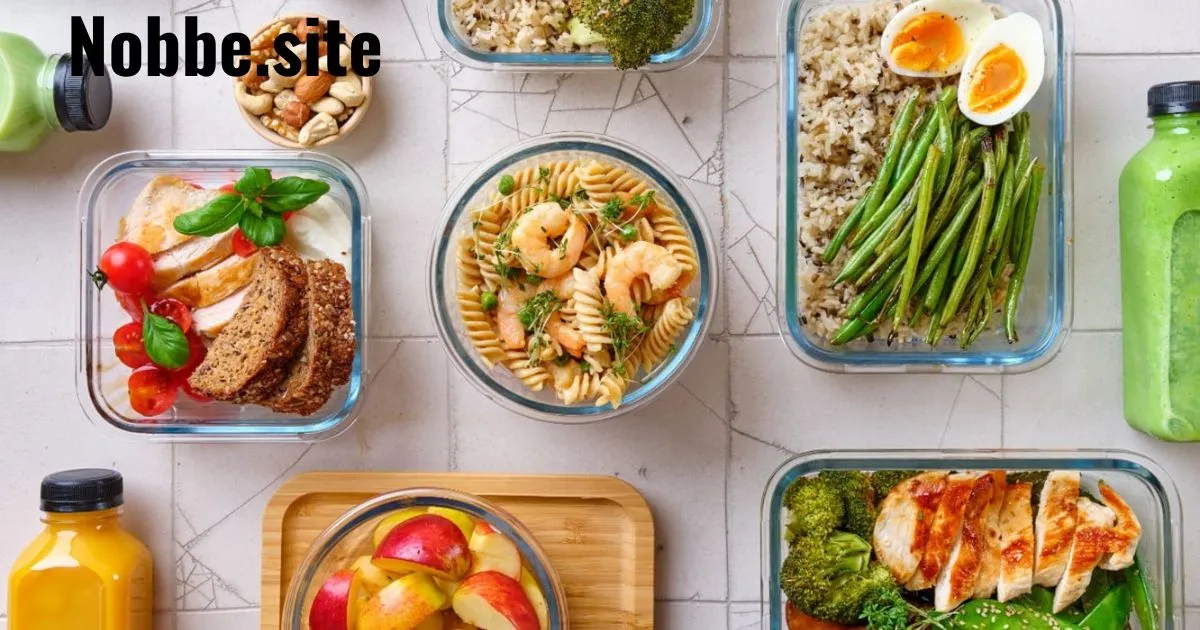
Before you write down a single recipe, you need to understand what makes a meal truly balanced. To keep your energy stable and support long-term health, aim to include three primary macronutrients in every container:
-
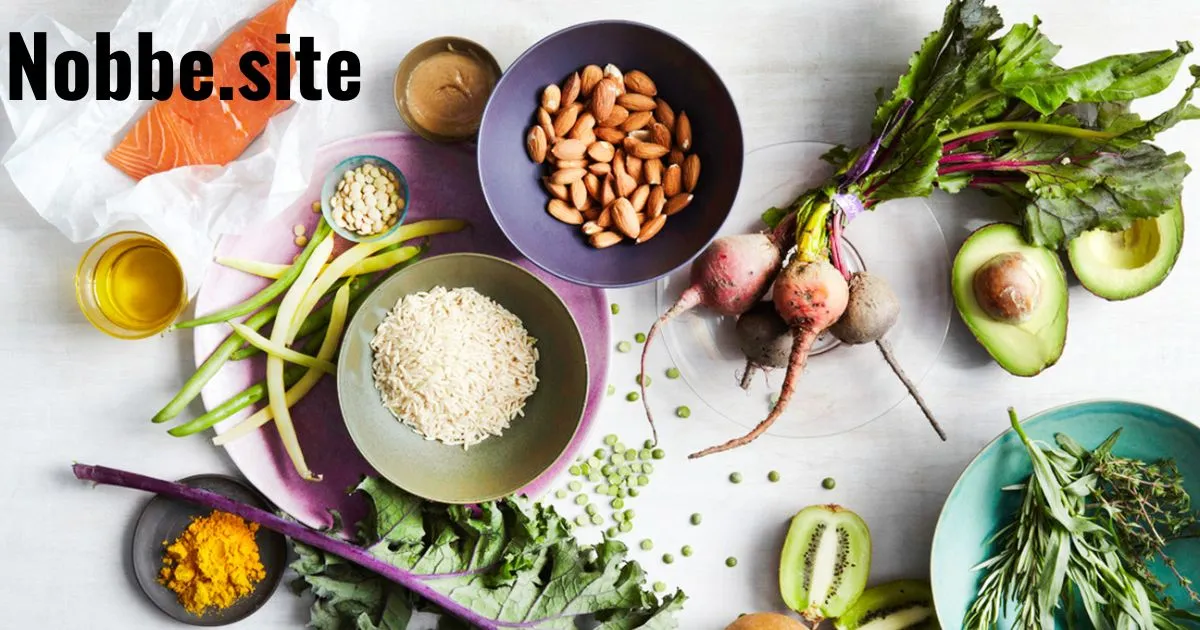
Lean Proteins (Lean Muscle Mass & Satiety): Chicken breast, turkey, lean beef, fish, eggs, tofu, or lentils. Protein keeps you full and prevents mid-afternoon energy crashes.
-
Complex Carbohydrates (Sustained Energy): Brown rice, quinoa, sweet potatoes, oats, and whole-grain pasta. These break down slowly, providing a steady stream of fuel.
-
Healthy Fats (Brain & Hormone Health): Avocado, olive oil, nuts, seeds, and chia seeds. (Keep these packed separately if possible to preserve freshness).
-
Micronutrients (Vitamins & Minerals): At least half of your meal prep containers should be filled with vibrant, colorful vegetables like spinach, broccoli, bell peppers, and zucchini.
2. Audit and Prep Your Kitchen Tools
Successful meal prepping relies heavily on the right equipment. If your containers leak or let air in, your food will spoil before mid-week.
-
Invest in High-Quality Containers: Glass containers with airtight, snap-locking lids are highly recommended. They are microwave-safe, dishwasher-safe, and do not retain stains or odors like cheap plastic.
-
Multi-Compartment Trays: If you do not like your food touching or want to keep sauces separate from your greens, use bento-style meal prep boxes.
3. Map Out Your Weekly Menu (Keep It Simple)
The biggest mistake beginners make is trying to cook five different, complex recipes at once. This leads to burnout and a messy kitchen. Instead, follow the “Mix and Match” rule.
Pick two protein sources, two complex carbs, and three to four different vegetables.
Sample Weekly Mix-and-Match Plan:
-
Proteins: Grilled chicken breast and seasoned black beans.
-
Carbs: Roasted sweet potato cubes and fluffy quinoa.
-
Veggies: Steamed broccoli, roasted bell peppers, and fresh spinach.
By combining these in different ways, you can create entirely different lunches and dinners throughout the week without cooking multiple distinct dishes.
4. The Step-by-Step Meal Prep Routine
To finish your entire weekly prep in under two hours, you must learn to multi-task efficiently. Follow this specific workflow:
5. Food Safety and Storage Secrets
How do you keep meal-prepped food tasting fresh on Thursday and Friday? It comes down to proper storage management.
The 3-Day Freshness Rule: Most cooked proteins and vegetables stay perfectly fresh in the refrigerator for up to 3 to 4 days.
If you are prepping for a full 7 days, store Monday through Wednesday’s meals in the fridge. Label and place Thursday through Sunday’s meals directly into the freezer. On Wednesday night, transfer Thursday’s meals to the fridge so they defrost safely overnight.
Quick Freshness Tips:
-
Keep Dressings Separate: Never dress salads or pour sauces over your meals ahead of time. Store dressings in small, separate containers and add them right before eating.
-
Revive with Moisture: When reheating your grains (like rice or quinoa) in the microwave, place a damp paper towel over the container or add a single teaspoon of water to keep the food moist.
Conclusion
Planning a balanced diet meal prep does not require you to be a master chef. By focusing on simple macronutrient balances, mixing and matching a few core ingredients, and organizing your cooking workflow, you can successfully take control of your health. Start small by prepping just 3 days of lunches this upcoming week, and watch how much time, money, and mental energy you save!