In a world obsessed with instant gratification, the allure of the “crash diet” is undeniable. We see them everywhere on social media: promises to help you drop 10 pounds in a week, extreme juice cleanses, or restrictive rules that limit you to a handful of foods.
When you have an upcoming event like a wedding or a vacation, fast weight loss sounds like the perfect solution. However, beneath the glittering promises of rapid results lies a harsh biological reality.
Crash diets don’t just fail over the long term—they can actively damage your health, disrupt your metabolism, and set you up for future weight gain. Here is the truth about why fast weight loss fails and what actually happens to your body when you push it to extremes.
What Exactly is a Crash Diet?
A crash diet is any nutritional plan that drastically restricts your calorie intake—often to fewer than 1,200 calories a day for women or 1,500 for men—in an effort to lose weight as quickly as possible. These diets typically focus on extreme restriction, cutting out entire food groups (like carbohydrates or fats), or relying heavily on meal replacement shakes and supplements.
While you might see the numbers on the scale drop quickly during the first few days, what you are losing isn’t what you think it is.
Why Fast Weight Loss is an Illusion
The biggest secret of rapid weight loss is that it is rarely a loss of body fat. In the initial stages of severe calorie restriction, your body goes through a specific physiological process:
-
Water Weight Depletion: Your body stores carbohydrates in your muscles and liver in the form of glycogen. Glycon holds onto water (about 3 grams of water for every gram of glycogen). When you slash calories, your body burns through its glycogen stores, releasing that water.
-
Muscle Loss (Muscle Wasting): When your body is starved of sufficient energy, it doesn’t just burn fat; it breaks down muscle tissue to convert proteins into usable fuel.
When you look at the scale after a week of a crash diet, you are mostly seeing a loss of water and precious, metabolically active muscle tissue—not a true reduction in body fat.
The Dangerous Hidden Risks of Extreme Dieting
While the lack of sustainable results is frustrating, the physical health risks of crash dieting are genuinely dangerous.
1. Metabolic Damage and Starvation Mode
Your body’s primary objective is survival. When you drastically cut calories, your brain perceives this as a famine. In response, it triggers a protective mechanism called adaptive thermogenesis (often referred to as “starvation mode”).
Your metabolism slows down dramatically to conserve energy. This means that even after you stop dieting, your body will burn fewer calories than it did before you started, making it incredibly easy to regain the weight.
2. Severe Nutritional Deficiencies
By cutting out whole food groups or eating microscopic portions, you deprive your body of essential vitamins, minerals, and macronutrients. Over time, this lack of nourishment manifests in visible and painful ways:
-
Chronic fatigue and brain fog
-
Hair thinning and hair loss
-
Weakened immune system (getting sick more often)
-
Brittle nails and dry skin
3. Gallstones and Digestive Issues
Losing weight too quickly shifts the balance of bile salts and cholesterol in your gallbladder. When you don’t eat enough fat, your gallbladder doesn’t contract regularly to empty its bile. This stagnant bile can crystallize, leading to painful gallstones that sometimes require surgical removal.
The Psychological Toll: The Yo-Yo Effect
The dangers of crash diets aren’t purely physical; the mental toll is just as severe. Extreme restriction triggers a massive spike in ghrelin (the hunger hormone) and a drop in leptin (the fullness hormone). Your brain becomes hardwired to crave high-calorie, sugary foods as a survival instinct.
This hormonal shift almost always leads to intense binge eating once the diet ends.
[Crash Diet] ➔ [Rapid Water/Muscle Loss] ➔ [Slowing Metabolism + Intense Hunger] ➔ [Binge Eating] ➔ [Weight Regain (Yo-Yo Effect)]
This vicious cycle is known as weight cycling or “yo-yo dieting.” Over time, this constant fluctuation of losing and gaining weight increases your risk of cardiovascular disease, high blood pressure, and type 2 diabetes. It also damages your relationship with food, creating feelings of guilt, shame, and failure.
The Healthy Alternative: Sustainable Weight Management
If fast weight loss is a trap, how do you achieve lasting results? The answer lies in patience and small, sustainable lifestyle shifts.
According to major health organizations like the CDC, a safe and sustainable rate of weight loss is 1 to 2 pounds per week. While this might sound slow compared to a crash diet, this rate ensures that you are losing actual body fat, not water or muscle.
How to Lose Weight Safely
-
Aim for a Modest Calorie Deficit: Instead of starving your body, create a small, manageable deficit of 300 to 500 calories below your maintenance level.
-
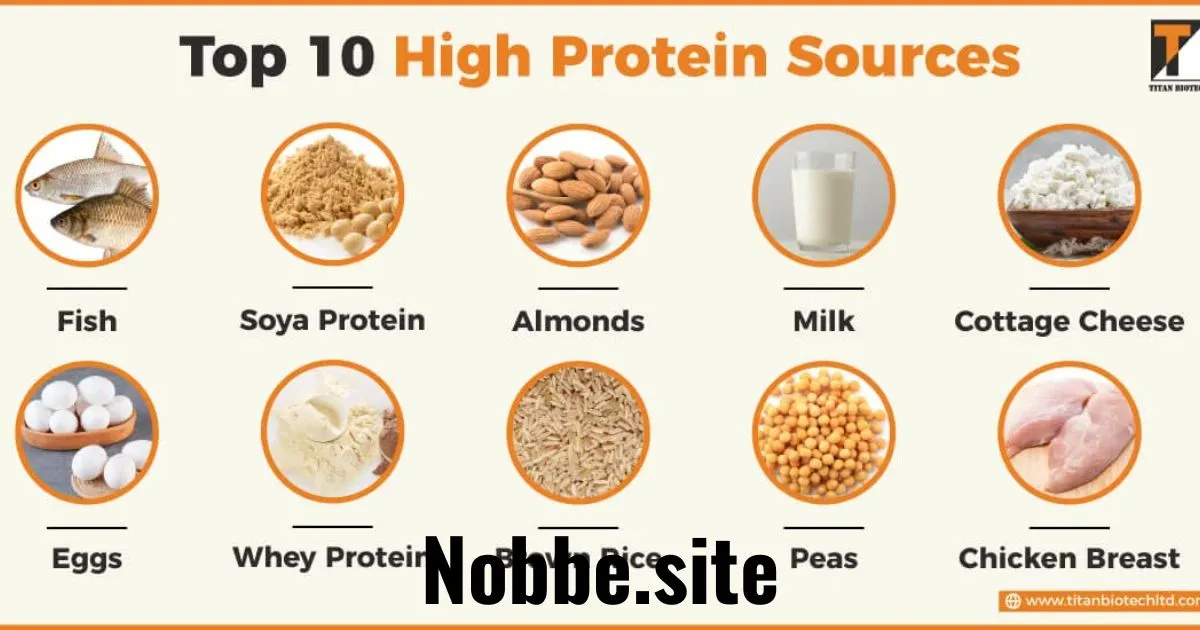
Prioritize Protein: Eating enough protein protects your muscles from breaking down, which keeps your metabolic rate high.
-
Focus on Whole Foods: Build your meals around lean proteins, vegetables, whole grains, and healthy fats. These foods keep you full and prevent nutritional deficiencies.
-
Incorporate Strength Training: Lifting weights or doing bodyweight exercises signals your body to keep its muscle mass, ensuring that the weight you do lose comes strictly from fat stores.
Conclusion
Crash diets promise a shortcut, but they deliver a dead end. The quick fix on the scale comes at the cost of your metabolism, your muscle mass, and your long-term mental and physical health.
True transformation isn’t about eating as little as possible for two weeks; it’s about building healthy habits that you can maintain for twenty years. Skip the crash, feed your body what it needs, and focus on progress over speed. Your body will thank you.