We often hit the gym to train our muscles, but how often do we think about training—or feeding—our brains? The human brain is an energy-hungry organ. Despite making up just 2% of your total body weight, it consumes roughly 20% of your body’s daily calories.
What you put on your plate directly dictates how well you think, focus, remember, and process information. If you are constantly battling brain fog, struggling to concentrate, or feeling mentally exhausted by noon, your diet might be the missing piece of the puzzle.
Fortunately, you can naturally optimize your cognitive function. Here is how to improve your brain power with the right foods and supercharge your mental performance.
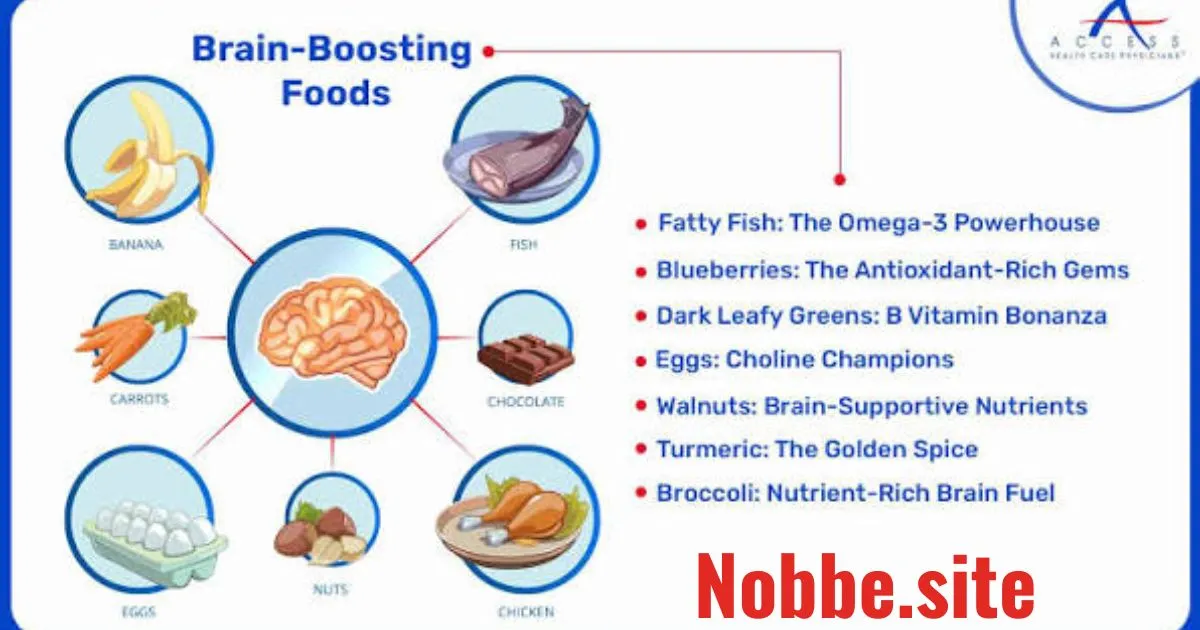
1. Fuel Up with Fatty Fish (The Omega-3 Powerhouse)
When it comes to brain foods, fatty fish consistently tops the list. Your brain is made up of about 60% fat, and half of that fat consists of omega-3 fatty acids.
Fish like salmon, trout, albacore tuna, and sardines are incredibly rich sources of omega-3s. These essential fats are used by the brain to build brain and nerve cells, which are crucial for learning and memory.
The Science: Studies show that people who regularly eat fish tend to have more gray matter in their brains. Gray matter contains most of the nerve cells that control decision-making, memory, and emotion.
2. Protect Your Brain with Antioxidant-Rich Berries
Blueberries, strawberries, and blackberries aren’t just sweet snacks; they are deep, vibrant colors because they are packed with anthocyanins. This specific group of plant compounds has powerful anti-inflammatory and antioxidant effects.
Antioxidants counteract both oxidative stress and inflammation, two conditions that can accelerate brain aging and contribute to neurodegenerative diseases.
-
Memory Boost: The antioxidants in blueberries accumulate in the brain and help improve communication between brain cells.
-
Delayed Aging: Regular berry consumption has been shown to improve memory and delay short-term memory loss.
3. Sharpen Focus with Nuts and Seeds
Nuts and seeds are excellent sources of healthy fats, antioxidants, and Vitamin E. Vitamin E protects cells against oxidative stress caused by free radicals, effectively shielding your brain cells from premature aging.
While all nuts are good for your health, walnuts have an extra edge. They contain high amounts of DHA, a type of Omega-3 fatty acid. Unsurprisingly, a walnut even looks like a miniature human brain! Eating just a handful of walnuts a day can significantly improve your cognitive performance and reaction times.
The Ultimate Brain Food Cheat Sheet
To make grocery shopping easier, here is a quick breakdown of key brain foods and the exact benefits they deliver to your daily workflow.
| Food Item | Primary Nutrient | Primary Brain Benefit |
| Fatty Fish | Omega-3 Fatty Acids | Enhances structural memory and learning speeds |
| Blueberries | Anthocyanins / Antioxidants | Improves cell-to-cell communication and focus |
| Walnuts & Seeds | Vitamin E & Healthy Fats | Protects against cognitive decline and mental fatigue |
| Turmeric | Curcumin | Crosses the blood-brain barrier to boost mood & growth |
| Dark Chocolate | Flavonoids & Caffeine | Increases blood flow to the brain for instant alertness |
| Broccoli | Vitamin K & Glucosinolates | Protects brain cells and improves processing power |
4. Wake Up Your Neurons with Dark Chocolate and Coffee
Good news for coffee and chocolate lovers: your morning routine is actually helping your mind stay sharp!
Coffee contains two main ingredients—caffeine and antioxidants—that support your brain. Caffeine keeps you alert by blocking adenosine, a chemical messenger that makes you feel sleepy. It also boosts your “feel-good” neurotransmitters, like dopamine, keeping you focused and in a better mood.
Dark chocolate (look for 70% or higher cocoa content) contains flavonoids, caffeine, and antioxidants. Flavonoids gather in the areas of the brain that deal with learning and memory. Researchers suggest these compounds enhance memory and help slow down age-related mental decline.
5. Don’t Forget the Leafy Greens and Broccoli
Your parents were right: you need to eat your greens. Vegetables like broccoli, spinach, kale, and Brussels sprouts are packed with nutrients that defend the brain.
Broccoli is exceptionally rich in Vitamin K, delivering more than 100% of the Recommended Daily Intake (RDI) in a single 1-cup serving. This fat-soluble vitamin is essential for forming sphingolipids, a type of fat that is densely packed into brain cells. Beyond Vitamin K, broccoli contains compounds called glucosinolates, which can slow down the breakdown of acetylcholine—a neurotransmitter our central nervous system needs to perform properly.
Summary: Designing Your Daily Brain Diet
Improving your brain power doesn’t require a radical, stressful lifestyle overhaul. It simply means choosing to crowd out processed sugars and unhealthy fats with nutrient-dense, real foods.
Start small. Swap your afternoon sugary snack for a handful of walnuts and a square of dark chocolate. Toss a handful of blueberries into your morning oatmeal, and aim to include fatty fish or leafy greens in your dinners a few times a week. By consistently feeding your brain the right nutrients, you will enjoy sharper focus, sustained energy, a stronger memory, and long-term cognitive health.