Inflammation is a double-edged sword. On one hand, acute inflammation is your body’s natural defense mechanism, helping you heal from injuries and fight off infections. On the other hand, chronic inflammation is a silent culprit. When your immune system stays on high alert for months or years, it can damage healthy cells and lead to serious conditions like heart disease, type 2 diabetes, arthritis, and premature aging.
While lifestyle factors like stress and poor sleep contribute to chronic inflammation, your diet plays the most critical role. Highly processed foods, refined sugars, and trans fats act like fuel on a fire. Conversely, whole, nutrient-dense foods act as natural turn-offs for inflammatory pathways.
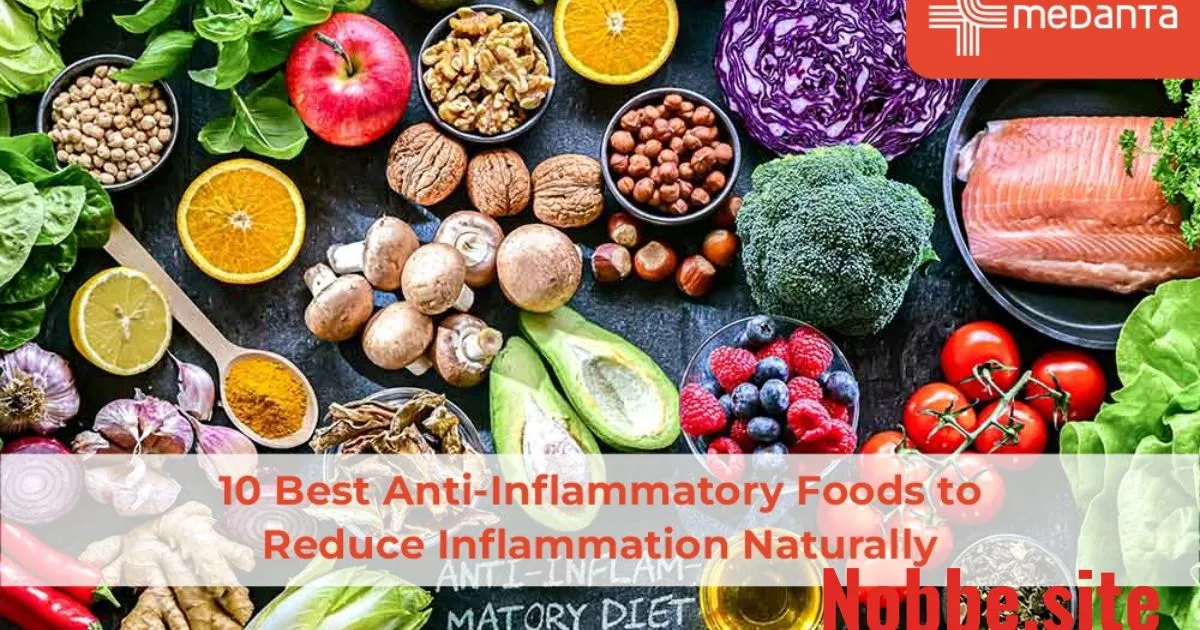
If you want to protect your body from the inside out, incorporating these top 8 anti-inflammatory foods into your daily routine is the absolute best place to start.
1. Fatty Fish (The Omega-3 Powerhouses)
Fatty fish are the undisputed champions of the anti-inflammatory world. They are packed with long-chain omega-3 fatty acids, specifically EPA (eicosapentaenoic acid) and DHA (docosahexaenoic acid).
Your body converts these fatty acids into compounds called resolvins and protectins, which actively reduce inflammation. Studies show that people who regularly consume fatty fish see significant drops in inflammatory markers like C-reactive protein (CRP).
-
Best Options: Salmon, mackerel, sardines, anchovies, and herring.
-
How to eat: Aim for at least two servings of wild-caught fatty fish per week, grilled or baked.
2. Berries (Antioxidant Shields)
Berries may be small, but their nutritional profile is massive. Strawberries, blueberries, raspberries, and blackberries are loaded with fiber, vitamins, and minerals. However, their real superpower lies in their high concentration of antioxidants called anthocyanins.
Anthocyanins give berries their vibrant colors and give your body the tools to produce natural killer (NK) cells, which keep your immune system functioning optimally while reducing oxidative stress.
-
How to eat: Toss a handful into your morning oatmeal, blend them into a smoothie, or eat them fresh as a guilt-free dessert.
3. Turmeric (The Golden Healer)
Turmeric is a spice that has been used in traditional medicine for centuries, and modern science completely backs up its reputation. It contains a powerful, bioactive compound called curcumin.
Curcumin is a heavy-hitting anti-inflammatory agent. It operates at a molecular level, blocking NF-kB—a molecule that travels into the nuclei of cells and turns on genes related to inflammation. Curcumin is so potent that some studies have found its effectiveness matches that of certain anti-inflammatory drugs, without the side effects.
-
Pro-Tip: Curcumin is poorly absorbed by the body on its own. Always pair turmeric with black pepper, which contains piperine—a natural substance that boosts curcumin absorption by a massive 2,000%.
4. Green Leafy Vegetables
If there is one food group you cannot afford to skip, it is dark, leafy greens. Spinach, kale, Swiss chard, and collard greens are rich in vitamins A, C, E, and K, as well as iron and calcium.
More importantly, they contain high concentrations of polyphenols and other phytochemicals that combat chronic cellular inflammation. The alpha-linolenic acid (an plant-based omega-3) found in greens also helps balance your body’s fatty acid ratios.
-
How to eat: Use spinach as a base for salads, sauté kale in olive oil, or steam chard with a squeeze of fresh lemon juice.
5. Extra Virgin Olive Oil (EVOO)
Extra virgin olive oil is the backbone of the famously healthy Mediterranean diet. It is exceptionally rich in monounsaturated fats, which are highly beneficial for cardiovascular health.
EVOO contains an antioxidant called oleocanthal, which has been shown to mimic the effect of ibuprofen. It works by inhibiting the same inflammatory enzymes (COX-1 and COX-2) that spark pain and swelling in the body.
-
Buying Tip: Look for cold-pressed, high-quality extra virgin olive oil in dark glass bottles to ensure the delicate antioxidants haven’t been degraded by light or heat. Use it raw as a salad dressing or drizzle it over cooked vegetables.
6. Green Tea (The Cellular Protector)
Swapping your afternoon sugary coffee for a cup of green tea is one of the easiest health upgrades you can make. Green tea is widely considered one of the healthiest beverages on the planet due to its high concentration of polyphenols.
Specifically, it contains EGCG (epigallocatechin-3-gallate), an incredibly powerful antioxidant that inhibits inflammation by reducing pro-inflammatory cytokine production and protecting the fatty acids in your cells from damage.
-
How to drink: Brew loose-leaf green tea for 2–3 minutes. Avoid adding artificial sweeteners or dairy milk, which can bind to the antioxidants and reduce their effectiveness.
7. Avocados (The Nutrient-Dense Superfood)
Avocados deserve all the hype they get. They are packed with potassium, magnesium, fiber, and heart-healthy monounsaturated fats.
They also contain carotenoids and tocopherols, which are linked to a reduced risk of cancer and heart disease. What makes avocados truly unique is their ability to counteract less-healthy dietary choices; research shows that adding a slice of avocado to a meal can significantly reduce the inflammatory response triggered by processed meats or refined carbs eaten at the same time.
-
How to eat: Mash it onto whole-grain toast, slice it into salads, or use avocado oil for high-heat cooking.
8. Nuts (Especially Walnuts and Almonds)
Nuts are fantastic sources of healthy fats, protein, and dietary fiber. When it comes to fighting inflammation, walnuts and almonds lead the pack.
Walnuts are unique because they have high amounts of plant-based omega-3 fatty acids (alpha-linolenic acid). Almonds, on the other hand, are loaded with vitamin E, an antioxidant that protects cells from oxidative damage. Regular nut consumption is consistently linked to lower levels of inflammatory markers like interleukin-6 (IL-6).
-
Portion Control: Because nuts are calorie-dense, a small handful (about 1 ounce or 28 grams) per day is all you need to reap the benefits.
Summary: Small Changes, Big Results
Beating chronic inflammation doesn’t require a radical, stressful lifestyle overhaul overnight. Instead, focus on crowding out processed junk foods by actively adding these eight powerhouses to your plate. Over time, these small dietary upgrades will lower your inflammatory load, protect your vital organs, boost your daily energy levels, and pave the way for long-term health.