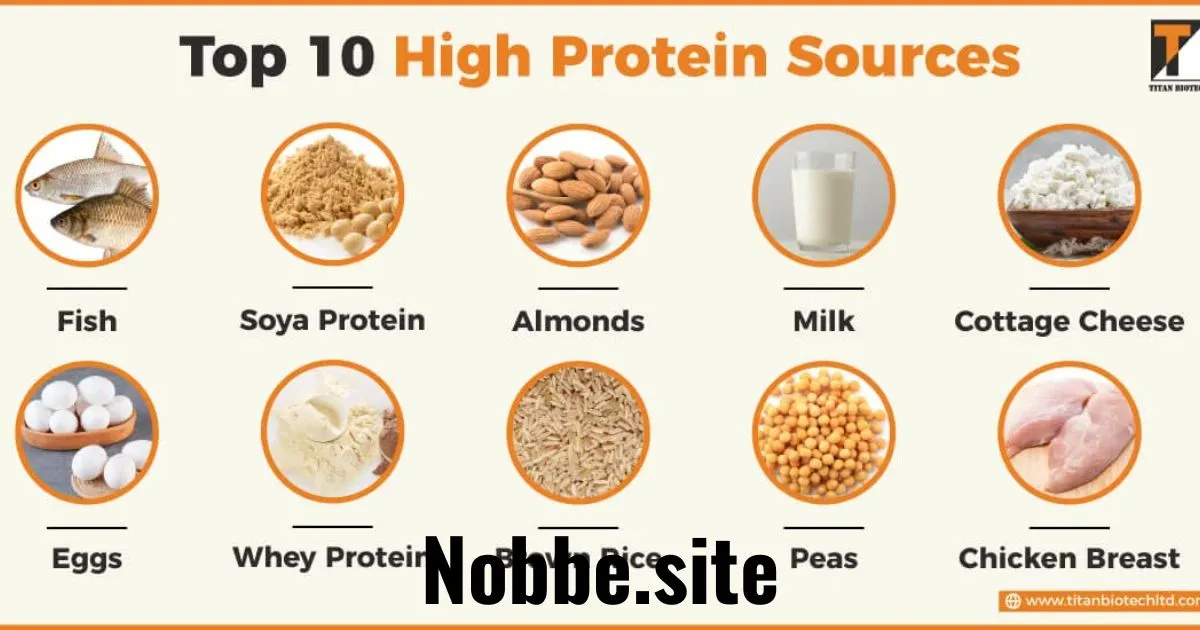
If you have ever tried dieting, you have probably heard the golden rule: “calories in versus calories out.” But while counting calories can help you lose or gain weight, it doesn’t tell the whole story. To truly optimize your energy, improve your metabolic health, and change your body composition, you need to look closer at macronutrients—or “macros.”
Counting macros is one of the most flexible and sustainable ways to reach your health goals without giving up your favorite foods. Here is everything you need to know to get started.
What Exactly Are Macros?
Macronutrients are the nutrients your body needs in large amounts to function properly. Unlike micronutrients (vitamins and minerals), macros provide your body with calories, which translate directly into energy.
There are three primary macronutrients, and each plays a unique role in your health:
1. Protein (4 Calories per Gram)
Protein is the building block of life. It is essential for repairing muscles, supporting immune function, and producing vital hormones. For anyone looking to lose fat while preserving lean muscle, protein is crucial.
-
Best Sources: Chicken breast, turkey, eggs, Greek yogurt, tofu, fish, and lentils.
2. Carbohydrates (4 Calories per Gram)
Carbs are your body’s preferred and most efficient source of fuel. They power everything from your daily brain functions to intense workouts. Opting for complex carbs ensures a steady release of energy without blood sugar spikes.
-
Best Sources: Oats, brown rice, sweet potatoes, quinoa, whole-grain bread, and fruits.
3. Fats (9 Calories per Gram)
Fats are dense in calories but absolutely vital for optimal health. They regulate hormones, support brain function, protect your organs, and help you absorb essential vitamins ($A, D, E,$ and $K$).
-
Best Sources: Avocados, olive oil, nuts, seeds, fatty fish (like salmon), and whole eggs.
Why Choose Macro Counting Over Standard Calorie Counting?
Standard calorie counting tells you how much food you are eating, but macro counting tells you how that food affects your body.
Eating 2,000 calories of fast food and eating 2,000 calories of whole foods will yield vastly different results for your energy levels, muscle mass, and overall health. By balancing your macros, you ensure that your body gets the exact fuel it needs to burn fat, build muscle, and maintain steady energy throughout the day.
Best of all, it allows for flexible dieting. There are no “bad” foods; as long as a food item fits within your daily macro targets, you can enjoy it guilt-free.
How to Calculate Your Ideal Macro Split
Everyone’s body is different. Your ideal macro breakdown depends on your age, gender, weight, activity level, and specific health goals. Here is a simple, step-by-step approach to finding yours:
Step 1: Find Your Total Daily Energy Expenditure (TDEE)
Your TDEE is the total number of calories you burn in a single day. You can easily find this by using an online TDEE calculator that factors in your basal metabolic rate (BMR) and daily activity level.
Step 2: Adjust for Your Specific Goal
-
For Weight Loss: Subtract 300 to 500 calories from your TDEE.
-
For Muscle Gain: Add 200 to 400 calories to your TDEE.
-
For Maintenance: Eat exactly at your TDEE.
Step 3: Determine Your Macro Split Ratio
A standard, well-balanced macro split for overall health and body recomposition generally looks like this:
-
40% Carbohydrates
-
30% Protein
-
30% Fats
If you prefer a lower-carb approach, you might adjust it to 30% Carbs, 35% Protein, and 35% Fats.
How to Track Your Macros: A Step-by-Step Guide
Getting started is easier than it looks. Follow these three steps to build a seamless tracking routine:
-
Get a Digital Food Scale: Human beings are notoriously bad at estimating portion sizes. Weighing your food in grams or ounces for the first few weeks ensures your data is accurate.
-
Download a Tracking App: Apps like MyFitnessPal, Cronometer, or MacroFactor make tracking incredibly easy. You can simply scan barcodes or search for whole foods to log your meals instantly.
-
Track Raw vs. Cooked: Foods change weight during cooking. For maximum accuracy, try to weigh meat and grains raw before cooking, or ensure you select the “cooked” option inside your tracking app.
3 Common Mistakes Beginners Make
-
Obsessing Over Perfection: You do not need to hit your targets down to the exact gram. If you get within 5 to 10 grams of your targets for protein, carbs, and fats, consider it a successful day.
-
Ignoring Fiber and Micronutrients: Just because a candy bar fits your carb target doesn’t mean it should replace whole foods. Prioritize whole, nutrient-dense foods 80% of the time, and save the remaining 20% for fun treats.
-
Forgetting About Liquid Calories: Cooking oils, salad dressings, sauces, and beverages carry heavy macro footprints (especially fats and carbs). Don’t forget to track them!
Final Thoughts
Macro counting is not just a diet; it is an educational tool that changes how you view food. It gives you complete control over your nutrition, allowing you to fuel your body efficiently while still enjoying the foods you love.
Give yourself a few weeks to adapt to the tracking process. Consistency beats perfection every single time, and before you know it, balancing your nutrition will feel like second nature.