How Can You Grow Organic Vegetables at Home?
Growing organic vegetables at home is a rewarding way to enjoy fresh, chemical-free produce while taking control of your nutrition. With the right techniques and natural methods, you can cultivate a thriving home garden that is both sustainable and healthy.
In simple terms:
Growing organic vegetables at home involves using natural soil, avoiding synthetic chemicals, and creating an environment where plants can thrive naturally.
1. Choose the Right Space
Your first step is selecting the right location for your home garden:
- Backyard or garden plot: Ideal for larger vegetable varieties
- Containers or pots: Perfect for balconies, patios, or small spaces
- Raised beds: Improve soil drainage and allow better control over nutrients
Tip: Ensure your garden receives at least 6–8 hours of sunlight daily for optimal growth.
2. Select Your Vegetables
Start with easy-to-grow vegetables suited for beginners:
- Leafy greens: Lettuce, spinach, kale
- Root vegetables: Carrots, radishes, beets
- Fruit-bearing vegetables: Tomatoes, peppers, cucumbers
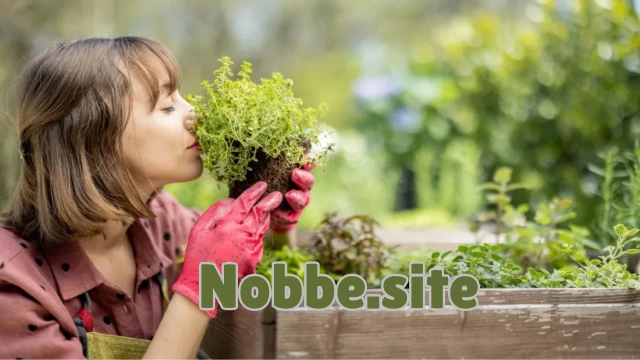
- Herbs: Basil, parsley, cilantro
Tip: Choose varieties that are naturally resistant to pests and diseases.
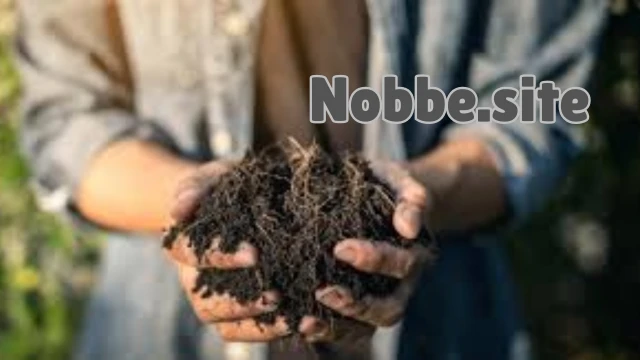
3. Prepare Your Organic Soil
Healthy soil is the foundation of an organic vegetable garden:
- Use compost, manure, or organic fertilizers to enrich soil nutrients
- Check soil pH; most vegetables prefer slightly acidic to neutral soil (pH 6–7)
- Add mulch to retain moisture, suppress weeds, and regulate temperature
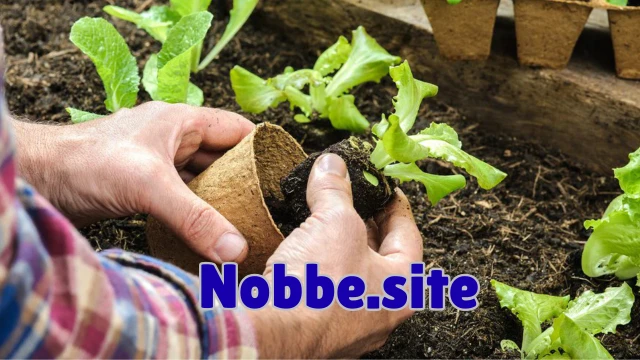
4. Planting Your Vegetables
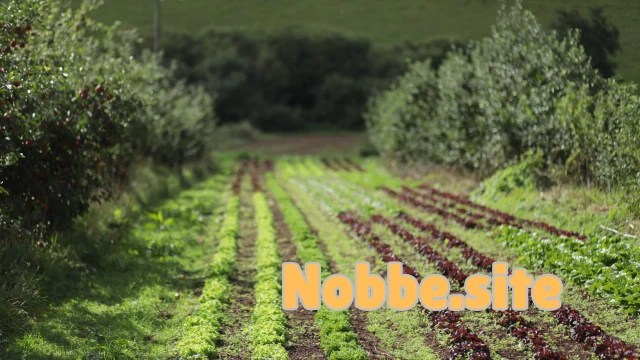
- Follow spacing guidelines to allow proper air circulation and growth
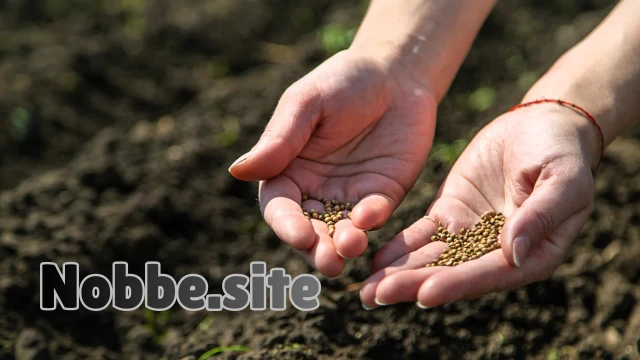
- Plant seeds or seedlings at the recommended depth
- Water thoroughly after planting
Tip: Start seeds indoors to give plants a head start if you have a short growing season.
5. Watering and Maintenance
- Water consistently, preferably early in the morning or late in the evening
- Use drip irrigation or soaker hoses to conserve water and reduce fungal diseases
- Remove weeds regularly to prevent competition for nutrients
6. Natural Pest and Disease Control
Organic gardening avoids synthetic pesticides. Use natural alternatives:
- Companion planting: Planting basil near tomatoes to repel pests
- Beneficial insects: Ladybugs and lacewings eat harmful pests
- Neem oil or insecticidal soap: Controls common insects naturally
- Crop rotation: Prevents soil-borne diseases
7. Harvesting Your Vegetables
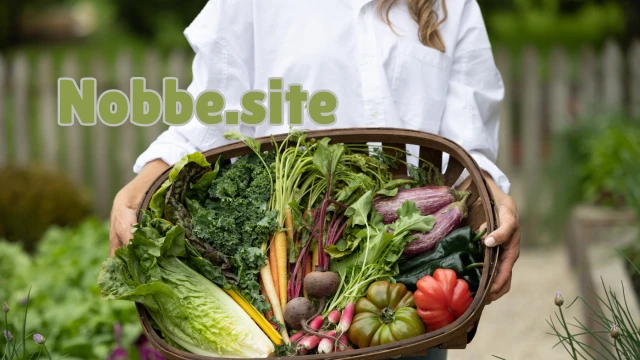
- Harvest vegetables at their peak ripeness for the best flavor and nutrition
- Regular harvesting encourages new growth and prolongs productivity
- Use clean tools and handle produce gently to avoid damage
8. Summary
Growing organic vegetables at home:
- Provides fresh, nutritious, and chemical-free produce
- Promotes sustainable and eco-friendly gardening practices
- Encourages a healthy lifestyle and connection to nature
- Reduces grocery costs and improves food security
In short, home-grown organic vegetables are healthier for you and better for the planet.
FAQs About Growing Organic Vegetables at Home
1. Can I grow organic vegetables indoors?
Yes. Leafy greens, herbs, and small vegetables can thrive indoors with proper light and containers.
2. How long does it take for vegetables to grow?
It depends on the type: leafy greens may take 30–45 days, while tomatoes and peppers can take 70–90 days.
3. Do I need special soil for organic vegetables?
No, but using compost, organic fertilizers, and mulch improves soil fertility and plant health.
4. How can I prevent pests without chemicals?
Use companion planting, beneficial insects, neem oil, and crop rotation to manage pests naturally.
5. Can I save seeds from my organic vegetables?
Yes. Saving seeds from fully matured plants allows you to grow vegetables naturally in the next season.