What Is the Difference Between Organic and Non-Organic Food?
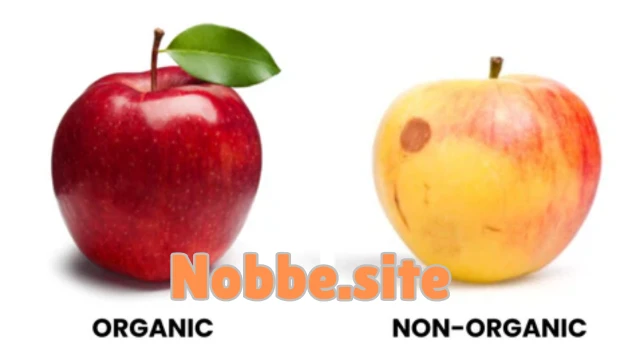
The main difference between organic and non-organic food lies in how the food is grown, processed, and produced. Organic food is produced without synthetic chemicals or genetically modified organisms, while non-organic (conventional) food often relies on chemical fertilizers, pesticides, and industrial farming methods to increase yield and efficiency.
In simple terms:
Organic food focuses on natural farming methods, while non-organic food focuses on high production using modern agricultural technology.
What Is Organic Food?
Organic food is produced using farming methods that avoid synthetic chemicals and prioritize natural processes.
It typically includes:
- Fruits and vegetables grown without synthetic pesticides
- Crops grown without chemical fertilizers
- Dairy and meat from animals raised without hormones or routine antibiotics
- Foods that are non-GMO (not genetically modified)
Organic farming focuses on soil health, biodiversity, and long-term environmental balance.
What Is Non-Organic (Conventional) Food?
Non-organic food is produced using modern industrial farming techniques designed to maximize yield and reduce production cost.
It may involve:
- Synthetic pesticides and herbicides
- Chemical fertilizers to boost growth
- Genetically modified crops in some cases
- Additives or preservatives during processing
- Antibiotics or growth hormones in livestock (depending on regulations)
The goal is efficiency and large-scale food production.
Key Differences Between Organic and Non-Organic Food
| Feature | Organic Food | Non-Organic Food |
|---|---|---|
| Farming method | Natural processes | Industrial agriculture |
| Pesticides | Natural or limited approved types | Synthetic pesticides commonly used |
| Fertilizers | Compost, manure, natural inputs | Chemical fertilizers |
| GMOs | Not allowed | Often used |
| Additives | Restricted | Common in processing |
| Animal treatment | No routine antibiotics/hormones | May use antibiotics/hormones |
| Environmental impact | Lower | Higher |
How They Are Grown
Organic Farming Methods
Organic farming focuses on working with nature:
- Crop rotation to maintain soil health
- Natural compost for nutrients
- Biological pest control (insects, traps, natural sprays)
- Maintaining biodiversity on farms
This helps improve soil quality over time.
Conventional Farming Methods
Non-organic farming uses technology and chemicals to increase production:
- Synthetic fertilizers to speed up plant growth
- Chemical sprays to control pests quickly
- Large-scale monoculture farming (single crops)
This increases yield but can reduce soil health over time.
Health Differences
Organic Food
- Lower exposure to pesticide residues
- Fewer artificial additives
- Often preferred for cleaner nutrition
Non-Organic Food
- May contain pesticide residues (within regulated limits)
- Can include preservatives and additives
- Widely considered safe under food regulations
👉 Important note: Both types of food are generally safe to eat, but organic food reduces chemical exposure.
Environmental Impact
Organic Food
- Improves soil health
- Reduces water pollution
- Supports biodiversity
- Lower carbon footprint in many cases
Non-Organic Food
- Higher chemical usage can affect soil and water
- Intensive farming may reduce biodiversity
- More resource-intensive production
Cost Difference
- Organic food is usually more expensive due to:
- Lower yield per farm
- More labor-intensive methods
- Certification costs
- Non-organic food is cheaper because:
- Higher production efficiency
- Large-scale industrial farming
Which One Is Better?
It depends on priorities:
Choose organic if you want:
- Reduced chemical exposure
- Environmentally sustainable food
- Higher-quality sourcing standards
Choose non-organic if you want:
- Lower cost
- Wider availability
- Convenience and accessibility
Many people use a mixed approach, buying organic for high-pesticide foods and non-organic for others.
Conclusion
The difference between organic and non-organic food comes down to farming methods, chemical use, environmental impact, and production goals. Organic food focuses on natural, chemical-free farming, while non-organic food focuses on efficiency and large-scale production.
Both options are widely available and safe, but organic food is often chosen for its cleaner production methods and environmental benefits.