
What Does an Organic Lifestyle Really Mean?
An organic lifestyle means making everyday choices that reduce exposure to synthetic chemicals, support natural and minimally processed products, and promote long-term health and environmental sustainability. It goes beyond just eating organic food—it is a broader way of living that affects what you eat, wear, use, and how you interact with your environment.
In simple terms, an organic lifestyle is about living more naturally, consciously, and sustainably.
What Is an Organic Lifestyle?
An organic lifestyle is a daily living approach that prioritizes natural, chemical-free, and environmentally responsible choices.
It typically includes:
- Eating organic and minimally processed food
- Using natural personal care and beauty products
- Choosing eco-friendly household items
- Reducing exposure to toxins in daily life
- Supporting sustainable and ethical brands
The core idea is to reduce dependence on artificial and harmful substances in everyday living.
Why People Choose an Organic Lifestyle
People adopt an organic lifestyle for several health, environmental, and ethical reasons.
Better Health Awareness
Many synthetic chemicals in food, skincare, and cleaning products may contribute to long-term health concerns. An organic lifestyle aims to reduce this exposure.
Improved Well-Being
Cleaner food and products may support:
- Higher energy levels
- Better digestion
- Stronger immune function
- Reduced irritation from chemicals
Environmental Protection
Organic and sustainable practices help:
- Reduce pollution
- Improve soil and water quality
- Protect biodiversity
Ethical Consumption
It often supports:
- Cruelty-free products
- Sustainable farming
- Fair trade practices
Core Pillars of an Organic Lifestyle
Organic Eating Habits
Food is the foundation of an organic lifestyle.
This includes:
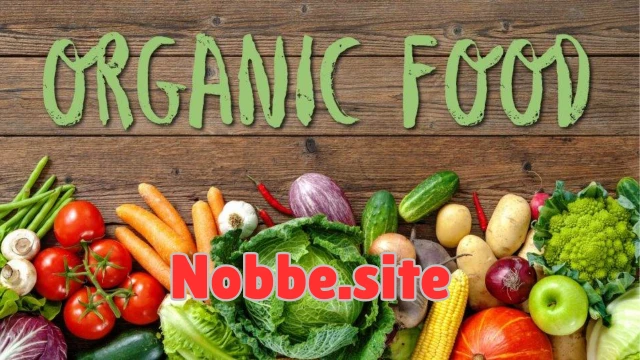
- Organic fruits and vegetables
- Whole, unprocessed foods
- Minimally processed ingredients
- Grass-fed or naturally raised animal products
The focus is on clean nutrition without artificial chemicals.
Natural Personal Care
Many skincare and hygiene products contain synthetic chemicals that are absorbed through the skin.
Organic lifestyle choices include:
- Paraben-free skincare
- Natural oils and plant-based ingredients
- Chemical-free shampoos and soaps
Eco-Friendly Household Choices
Household products can significantly affect indoor air quality.
Organic living promotes:
- Non-toxic cleaning products
- Biodegradable detergents
- Natural air fresheners
Sustainable Daily Habits
An organic lifestyle also includes behavior changes such as:
- Reducing plastic usage
- Recycling and reusing materials
- Supporting environmentally responsible brands
- Reducing unnecessary consumption
Difference Between Organic Lifestyle and Healthy Lifestyle
Although similar, they are not the same.
| Aspect | Organic Lifestyle | Healthy Lifestyle |
|---|---|---|
| Focus | Chemical-free living | General health improvement |
| Food | Organic preference | Balanced diet |
| Products | Natural and non-toxic | Any healthy option |
| Environment | Strong focus on sustainability | Optional |
An organic lifestyle is more specific and sustainability-focused, while a healthy lifestyle is broader.
Benefits of an Organic Lifestyle
Physical Benefits
- Reduced exposure to synthetic chemicals
- Improved energy and vitality
- Better digestion and gut health support
Mental Benefits
- Increased awareness of consumption habits
- Reduced stress from cleaner living environment
- Greater sense of control over health choices
Environmental Benefits
- Lower chemical pollution
- Support for sustainable farming
- Reduced environmental footprint
Common Misconceptions
It Is Too Expensive
While some organic products cost more, a gradual transition makes it affordable.
You Must Be 100 Percent Organic
Even partial adoption (like switching food or skincare first) is beneficial.
It Is Complicated
Starting with small changes makes it simple and sustainable.
How to Start an Organic Lifestyle
Step 1: Start With Food
Begin by choosing organic versions of heavily processed or pesticide-prone foods.
Step 2: Switch Personal Care Products
Replace skincare and hygiene items with natural alternatives.
Step 3: Improve Home Environment
Use non-toxic cleaning products and reduce chemical exposure indoors.
Step 4: Make Gradual Changes
Replace products slowly instead of changing everything at once.
Is an Organic Lifestyle Worth It?
For many people, yes. The benefits come from long-term reduction in chemical exposure and more conscious consumption habits. It is not about perfection, but about consistent improvement in daily choices.
Conclusion
An organic lifestyle means living in a way that prioritizes natural, chemical-free, and sustainable choices across food, products, and daily habits. It is not a strict rulebook but a gradual shift toward cleaner and more conscious living.