How Does Organic Farming Work in Practice?
Organic farming is a method of cultivating crops and raising animals that prioritizes natural processes, soil health, and ecological balance over synthetic chemicals. It’s not just a set of rules—it’s a practical approach to sustainable agriculture.
In simple terms:
Organic farming works by using natural inputs, promoting biodiversity, and maintaining soil fertility while avoiding synthetic fertilizers, pesticides, and GMOs.
1. Soil Management
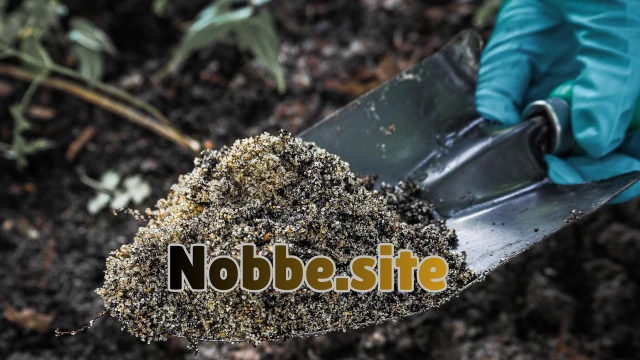
Soil is the foundation of organic farming. Healthy soil ensures strong plant growth and nutrient-rich produce.
Key Practices:
- Crop rotation: Prevents soil depletion and reduces pest buildup
- Cover crops: Legumes and grasses enrich soil nitrogen and prevent erosion
- Organic fertilizers: Compost, manure, and green manure provide nutrients naturally
- Minimal tillage: Preserves soil structure and microbial life
2. Natural Pest and Disease Control
Organic farming avoids synthetic pesticides, relying on natural methods to protect crops.
Methods Include:
- Biological control: Using beneficial insects like ladybugs and predatory wasps
- Companion planting: Planting pest-repelling crops nearby
- Neem oil and other plant-based sprays: Natural solutions for insect control
- Trap crops: Attract pests away from main crops
3. Seed Selection and Planting
Organic farmers use seeds that are non-GMO and adapted to local growing conditions.
- Heirloom or open-pollinated seeds preserve biodiversity
- Crop selection considers soil, climate, and seasonal cycles
- Planting density and timing are optimized for natural growth and disease prevention
4. Water and Irrigation Management
Sustainable water use is essential in organic farming.
- Drip irrigation: Delivers water efficiently to plant roots
- Rainwater harvesting: Reduces dependence on external water sources
- Mulching: Conserves soil moisture and reduces evaporation
5. Livestock Integration
Organic farming often includes animals, which contribute to soil fertility and ecological balance:
- Manure is used as a natural fertilizer
- Grazing animals help manage weeds and improve soil structure
- Animals are raised without synthetic hormones or antibiotics
6. Biodiversity and Ecosystem Support
Organic farms encourage biodiversity to maintain natural ecological balance:
- Planting hedgerows, flowers, and cover crops supports pollinators
- Maintaining ponds and small habitats encourages beneficial insects and wildlife
- Biodiversity reduces pest pressure and improves resilience
7. Harvesting and Post-Harvest Practices
Organic produce is handled carefully to maintain quality and nutritional value:
- Avoid chemical preservatives and synthetic waxes
- Store crops in conditions that maintain freshness naturally
- Use sustainable packaging when possible
8. Certification and Compliance
Organic farms must meet strict standards to be certified:
- Follow local or international organic certification guidelines
- Maintain detailed records of inputs, crop rotation, and soil management
- Undergo inspections to ensure compliance with organic principles
9. Summary
Organic farming works in practice by combining:
- Soil management through compost, cover crops, and crop rotation
- Natural pest and disease control without synthetic chemicals
- Sustainable water use and biodiversity support
- Responsible integration of livestock and crop production
- Compliance with certification standards for safe and healthy produce
In short, organic farming is a holistic system that produces nutritious food while preserving the environment and supporting long-term agricultural sustainability.
FAQs About Organic Farming
1. Is organic farming more labor-intensive than conventional farming?
Yes, because it relies on natural methods for fertilization, pest control, and soil management rather than chemicals.
2. Can organic farming produce the same yield as conventional farming?
Yields may be slightly lower initially, but sustainable practices improve soil health and productivity over time.
3. Do organic farms use any pesticides?
Only natural, non-synthetic pesticides are allowed, and their use is carefully managed.
4. How does organic farming impact the environment?
It reduces chemical runoff, improves soil fertility, supports biodiversity, and conserves water resources.
5. Can I start organic farming at home?
Yes, small-scale organic gardening is possible using the same principles of composting, natural pest control, and crop rotation.