How Are Organic Crops Grown Naturally?
Organic crops are grown naturally without synthetic chemicals, GMOs, or artificial growth regulators. The focus is on creating a healthy soil ecosystem, maintaining biodiversity, and using sustainable agricultural practices. Growing crops this way supports both human health and the environment.
In simple terms:
Organic crops are cultivated using natural inputs and practices that promote soil fertility, pest resistance, and ecological balance.
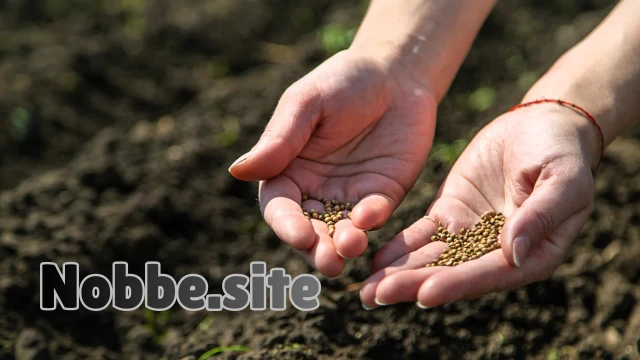
1. Choosing the Right Seeds
Organic crop growth begins with high-quality organic seeds:
- Non-GMO and chemical-free
- Heirloom or open-pollinated varieties preferred for biodiversity
- Adapted to local climate and soil conditions
Tip: Always look for certified organic seed labels to ensure authenticity.
2. Soil Preparation
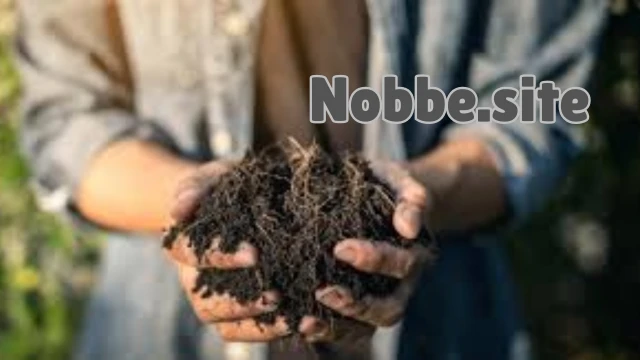
Healthy soil is the foundation of organic crop production. Key steps include:
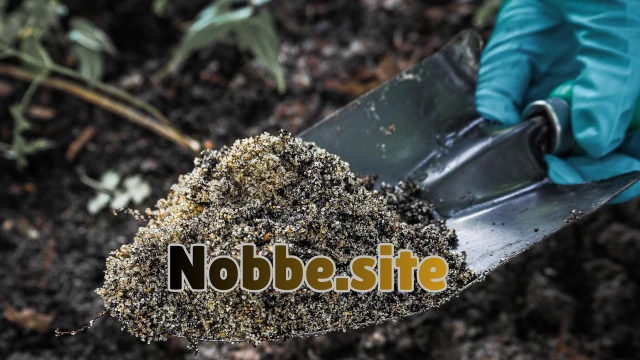
- Adding compost and organic fertilizers for nutrients
- Crop rotation to prevent nutrient depletion and control pests
- Cover crops to fix nitrogen and improve soil structure
- Minimal tillage to preserve soil microorganisms
3. Water and Irrigation Management
- Drip irrigation delivers water directly to roots efficiently
- Rainwater harvesting reduces dependence on external water sources
- Mulching conserves moisture and prevents weed growth
4. Natural Pest and Disease Control
Organic crops rely on preventive and natural solutions instead of synthetic pesticides:
- Biological control: Beneficial insects like ladybugs and predatory mites
- Botanical pesticides: Neem oil, garlic spray, and other plant-based solutions
- Physical barriers: Row covers, nets, and traps
- Companion planting: Planting pest-repelling crops nearby
5. Fertilization Using Organic Inputs
Organic crops receive nutrients from natural sources:
- Compost: Provides macro and micronutrients
- Manure: Enriches soil with nitrogen and organic matter
- Green manure and cover crops: Adds nitrogen and improves soil health
6. Crop Management Practices
- Weed management: Mulching, hand-weeding, and mechanical methods
- Pruning and spacing: Improves airflow and reduces disease risk
- Rotation and intercropping: Maintains soil fertility and reduces pest buildup
7. Harvesting and Post-Harvest Care
- Harvest crops at peak ripeness for maximum nutrients
- Avoid chemical preservatives during storage
- Use sustainable packaging methods for transportation
8. Table: Comparison Between Organic and Conventional Crop Growing
| Feature | Organic Crops | Conventional Crops |
|---|---|---|
| Fertilizers | Compost, manure, green manure | Synthetic NPK fertilizers |
| Pest Control | Beneficial insects, botanical sprays | Chemical pesticides |
| Soil Management | Crop rotation, cover crops, minimal tillage | Monocropping, heavy tillage, chemical amendments |
| Seeds | Non-GMO, organic, heirloom | Often GMO or treated with chemicals |
| Water Management | Drip irrigation, mulching, rainwater harvesting | Flood irrigation, chemical-assisted growth |
| Environmental Impact | Supports biodiversity, reduces pollution | Can lead to chemical runoff, soil degradation |
| Crop Nutrition | Rich in nutrients and antioxidants | May be lower in some nutrients due to chemical reliance |
9. Summary
Organic crops are grown naturally using:
- Chemical-free seeds and soil amendments
- Sustainable water and pest management
- Crop rotation and biodiversity-friendly practices
- Careful harvesting and storage methods
In short, organic crop cultivation creates healthy, nutrient-rich food while protecting the environment and promoting sustainable agriculture.
FAQs About Organic Crop Cultivation
1. Can organic crops grow without chemical fertilizers?
Yes, by using compost, manure, green manure, and cover crops to provide all essential nutrients naturally.
2. How is pest control managed organically?
Through biological control, companion planting, botanical sprays, and physical barriers instead of synthetic chemicals.
3. Do organic crops yield less than conventional crops?
Yields may be slightly lower initially, but soil health improves over time, resulting in sustainable, productive harvests.
4. Can organic farming be done on a small scale?
Absolutely. Organic gardening techniques can be applied in backyards, community gardens, or small farms.
5. How can I ensure my crops are truly organic?
Use certified organic seeds, natural fertilizers, and pest control methods while avoiding synthetic chemicals.