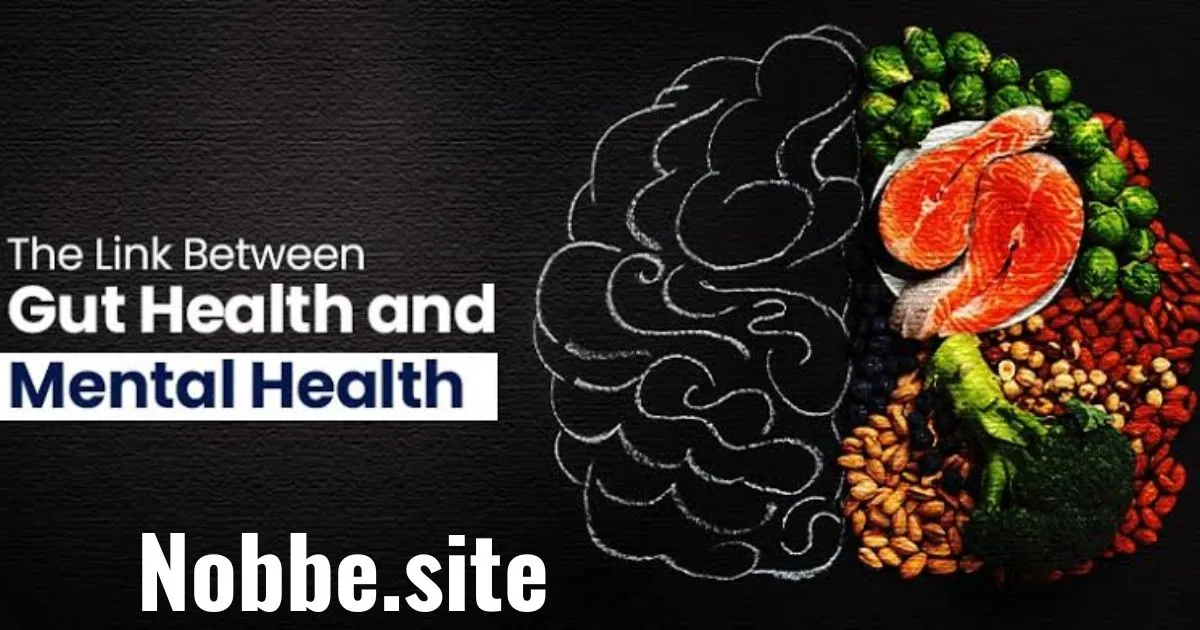
Have you ever felt “butterflies” in your stomach when you were nervous? Or perhaps you have experienced a literal “gut-wrenching” moment during a stressful situation? These are not just figures of speech. They are real, physiological reactions that highlight a powerful, bi-directional communication system operating inside your body: the connection between gut health and mental health.
For decades, modern medicine treated the brain and the digestive system as completely separate entities. However, groundbreaking research over the last decade has completely flipped this perspective. Today, scientists refer to the gut as our “second brain.” Understanding how these two organs talk to each other is completely reshaping how we approach mental health, anxiety, depression, and overall emotional well-being.
What is the Gut-Brain Axis?
At the heart of the connection between gut health and mental health is a complex communication network known as the Gut-Brain Axis (GBA). This axis links your central nervous system (brain and spinal cord) directly with your enteric nervous system (the nervous system of your gastrointestinal tract).
The communication travels along several distinct pathways:
-
The Vagus Nerve: Think of this as a massive, bi-directional superhighway. The vagus nerve is one of the biggest nerves connecting your gut and brain. It sends signals in both directions constantly, which explains why emotional stress can trigger digestive distress and vice versa.
-
Neurotransmitters: These are chemical messengers that regulate mood and emotions. While we often think of neurotransmitters like serotonin and dopamine as strictly “brain chemicals,” a staggering 90% of the body’s serotonin is actually produced in the gut by gut microbes.
-
The Immune System: The gut houses roughly 70% of your body’s immune system. When gut health is compromised, it can trigger systemic inflammation. Research shows that chronic, low-grade inflammation can cross the blood-brain barrier and directly contribute to conditions like anxiety and depression.
The Role of the Gut Microbiome in Mental Well-Being
Your digestive system is home to trillions of live bacteria, viruses, and fungi collectively known as the gut microbiome.
When your microbiome is balanced and thriving (a state called symbiosis), these microbes produce short-chain fatty acids (SCFAs) like butyrate, acetate, and propionate. These SCFAs help protect the brain, improve memory, and reduce stress levels.
However, when an imbalance occurs—known as dysbiosis—bad bacteria begin to outnumber the good. This imbalance weakens the gut lining, leading to a condition commonly called “leaky gut.” When the gut leaks, toxins leak into the bloodstream, triggering an immune response that can result in brain fog, mood fluctuations, and heightened anxiety.
How Poor Gut Health Impacts Your Mood
The connection between gut health and mental health goes both ways. Clinical studies have shown that individuals suffering from gastrointestinal disorders, such as Irritable Bowel Syndrome (IBS) or Crohn’s disease, face significantly higher rates of anxiety and depression.
| Gut Symptom | Potential Mental Health Impact |
| Chronic Inflammation | Increases risks of depression and persistent fatigue. |
| Low Microbial Diversity | Reduces serotonin production, leading to mood drops. |
| Leaky Gut (Permeability) | Triggers brain fog, irritability, and stress sensitivity. |
Conversely, high stress levels suppress the growth of beneficial gut bacteria. When you are chronically stressed, your body produces excess cortisol (the stress hormone), which slows down digestion and alters the delicate balance of your microbiome. It is a cyclical trap: a stressed brain creates an unhappy gut, and an unhappy gut sends distress signals back to the brain.
How to Improve Gut Health for Better Mental Clarity
Because the gut-brain axis is highly responsive, optimizing your diet can directly improve your mental outlook. Nutritional psychiatry is a rapidly growing field that focuses on using food as medicine to heal both the mind and the microbiome.
Here are the most effective, science-backed strategies to heal your gut and boost your mood:
1. Eat Probiotic-Rich Fermented Foods
Probiotics introduce live, beneficial bacteria directly into your digestive tract. Incorporating foods like yogurt, kefir, kimchi, sauerkraut, miso, and kombucha into your daily routine can populate your gut with mood-boosting strains of bacteria.
2. Fuel Up with Prebiotics
Prebiotics are specialized plant fibers that act as food for your good gut microbes. Excellent sources of prebiotics include garlic, onions, leeks, asparagus, bananas, and oats.
3. Minimize Sugar and Ultra-Processed Foods
Harmful bacteria and yeast thrive on refined sugars and simple carbohydrates. A diet high in processed foods starves good bacteria and fuels dysbiosis, which can amplify feelings of anxiety and fatigue.
4. Prioritize Stress Management
Since stress directly harms your microbiome, practicing mindfulness, meditation, yoga, or deep-breathing exercises can calm the vagus nerve. This lowers cortisol levels and allows your gut to heal naturally.
Conclusion: A Holistic Approach to Mental Health
The connection between gut health and mental health is undeniable proof that our bodies operate as an interconnected whole. Mental health is not just about what is happening in your head; it is deeply influenced by what is happening in your stomach.
By focusing on a nutrient-dense diet, nurturing your gut microbiome, and managing daily stress, you can support your gut-brain axis from both ends. Taking care of your gut might just be the missing piece of the puzzle in achieving true mental clarity, emotional balance, and lasting health.