In today’s fast-paced world, stress and anxiety can hit us out of nowhere. Whether you are dealing with a demanding workday, juggling personal responsibilities, or experiencing sudden racing thoughts, finding a quick way to center yourself is essential.
One of the most effective, science-backed tools for immediate stress relief is always with you: your breath.
When you experience stress, your body enters a “fight-or-flight” mode. By consciously altering your breathing patterns, you can stimulate the vagus nerve and activate your parasympathetic nervous system—the body’s natural “rest and digest” mechanism. This process rapidly lowers your heart rate, decreases blood pressure, and brings an instant sense of calm.
Here are five powerful breathing exercises you can practice anywhere, anytime, to reset your nervous system in minutes.
1. The 4-7-8 Breathing Technique (The Natural Tranquilizer)
Developed by Dr. Andrew Weil, the 4-7-8 technique acts as a natural tranquilizer for the nervous system. It is highly effective for reducing anxiety, managing anger, and helping you fall asleep faster.
-
How to do it:
-
Empty your lungs completely by exhaling through your mouth with a “whoosh” sound.
-
Close your mouth and inhale quietly through your nose for a mental count of 4 seconds.
-
Hold your breath for a count of 7 seconds.
-
Exhale completely through your mouth, making another “whoosh” sound, for a count of 8 seconds.
-
Repeat this cycle up to 4 times initially.
-
Why it works: The extended pause during the hold allows your body to maximize its oxygen intake, while the long exhale slows down your heart rate almost instantly.
2. Box Breathing (The Navy SEAL Reset)
Also known as square breathing, Box Breathing is used by elite professionals—including Navy SEALs, athletes, and first responders—to maintain peak focus and calm under intense psychological stress.
       Hold (4s)
     +-----------+
     |           |
Inhale (4s)  Exhale (4s)
     |           |
     +-----------+
       Hold (4s)
-
How to do it:
-
Exhale all the air from your lungs.
-
Inhale deeply through your nose for a count of 4 seconds.
-
Hold your breath for another count of 4 seconds.
-
Exhale smoothly through your mouth for a count of 4 seconds.
-
Hold your lungs empty for a final count of 4 seconds.
-
Repeat the entire “box” pattern for 3 to 5 minutes.
-
Why it works: The equal structure of this exercise grounds your mind, redirects your focus away from racing thoughts, and balances the carbon dioxide levels in your body.
3. Alternate Nostril Breathing (Nadi Shodhana)
A staple practice in Hatha yoga, Alternate Nostril Breathing is excellent for restoring emotional balance, improving mental clarity, and clearing out morning sluggishness or midday brain fog.
-
How to do it:
-
Sit comfortably and place your right thumb over your right nostril.
-
Inhale deeply and slowly through your left nostril.
-
Close the left nostril with your ring finger, release your right nostril, and exhale smoothly through the right side.
-
Inhale deeply through the right nostril.
-
Close the right nostril with your thumb, release the left, and exhale through the left side.
-
This completes one cycle. Continue for 5 to 10 rounds.
-
Why it works: This technique balances the left and right hemispheres of the brain, promoting an immediate sense of equilibrium and quiet focus.
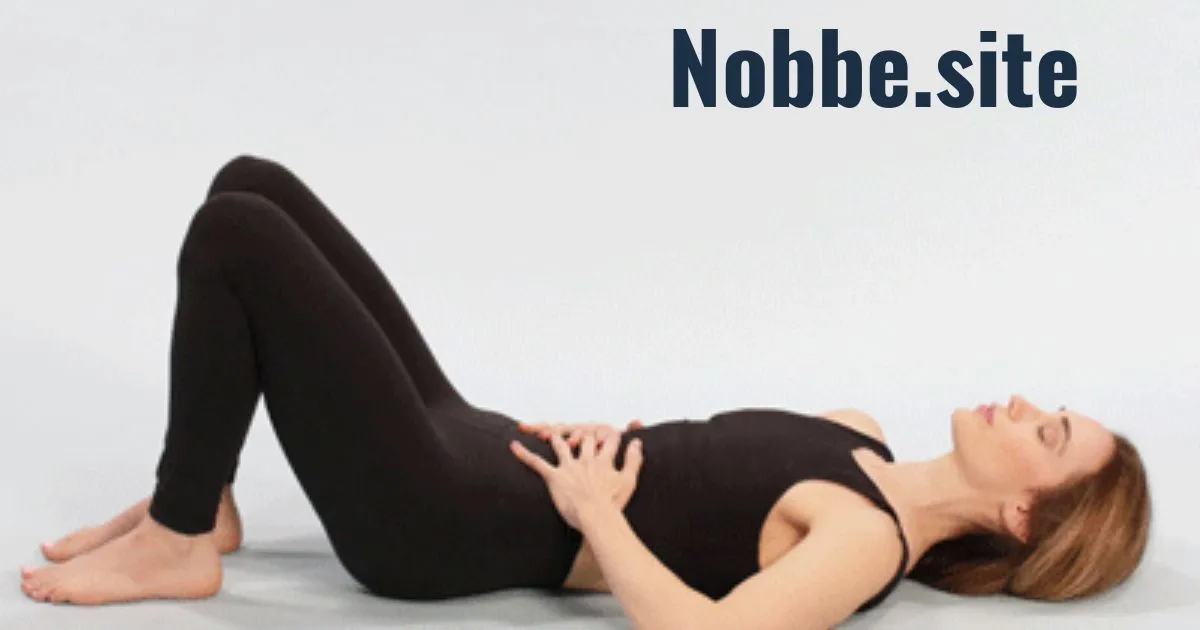
4. Diaphragmatic Breathing (Deep Belly Breathing)
Many people practice shallow “chest breathing” when stressed, which actually signals the brain to stay anxious. Diaphragmatic breathing trains you to use your entire lung capacity, engaging your belly to promote deep relaxation.
-
How to do it:
-
Sit or lie down comfortably. Place one hand on your upper chest and the other on your abdomen (just below your rib cage).
-
Inhale slowly through your nose, ensuring the hand on your belly rises while the hand on your chest remains relatively still.
-
Tighten your stomach muscles slightly and exhale slowly through pursed lips, watching the hand on your belly fall.
-
Practice this rhythmic belly movement for 5 minutes.
-
Why it works: Deep belly breathing optimizes oxygen exchange and triggers an immediate drop in cortisol (the primary stress hormone).
5. The Physiological Sigh (The Fastest Stress Reliever)
If you only have 10 seconds to stop a panic attack or calm intense irritation, the Physiological Sigh is your best option. It is an involuntary pattern humans naturally use during sleep or crying to reset breathing levels.
-
How to do it:
-
Take a sharp, deep breath in through your nose.
-
Before exhaling, take a second, short “top-off” inhale through your nose to fully expand your lungs.
-
Release a long, slow, extended exhale through your mouth.
-
Repeat just 1 or 2 times for an instant biological reset.
-
Why it works: The double inhale re-inflates the tiny air sacs (alveoli) in your lungs, allowing for maximum carbon dioxide release on the long exhale, which instantly triggers relaxation.
Tips for Beginners
To get the most out of these practices, keep these quick tips in mind:
-
Consistency over duration: Just 2 minutes of daily practice is better than 20 minutes once a week.
-
Don’t force it: If holding your breath feels uncomfortable, reduce the count slightly. The goal is relaxation, not strain.
-
Create a trigger: Try practicing right before an important meeting, right after waking up, or during a stressful commute to build a healthy habit.
By incorporating these simple breathing exercises into your daily routine, you gain total control over your body’s stress response, unlocking instant calm whenever you need it most.