Anger is a completely natural, human emotion. It’s a survival mechanism designed to help us respond to threats, injustice, or hurt. However, when anger transforms from a temporary feeling into an uncontrollable force, it can wreck relationships, ruin career prospects, and take a heavy toll on your mental and physical health.
If you frequently find your temper flaring up, you might feel like you are at the mercy of an unpredictable wave. The good news? You can learn how to manage anger safely before it controls you. By understanding your triggers and adopting practical coping mechanisms, you can regain control of your life.
Understanding the Anatomy of Anger
Before you can control your anger, you need to understand what it is trying to tell you. Psychologists often refer to anger as a “secondary emotion.” This means it usually acts as a shield to protect us from more vulnerable feelings, such as:
-
Fear or insecurity
-
Grief or sadness
-
Rejection or loneliness
-
Disappointment
When these underlying feelings get triggered, your body’s “fight-or-flight” response kicks in. Adrenaline surges, your heart rate spikes, and your muscles tense up. Recognizing these physical warning signs early is the secret weapon to diffusing anger before it explodes.
5 Proven Strategies to Manage Anger Safely
1. Practice the “Pause” (The 90-Second Rule)
Neuroscientist Dr. Jill Bolte Taylor discovered that the chemical flush of an emotion lasts only about 90 seconds in the body. If you are still angry after a minute and a half, it is because you are fueling the fire with your thoughts.
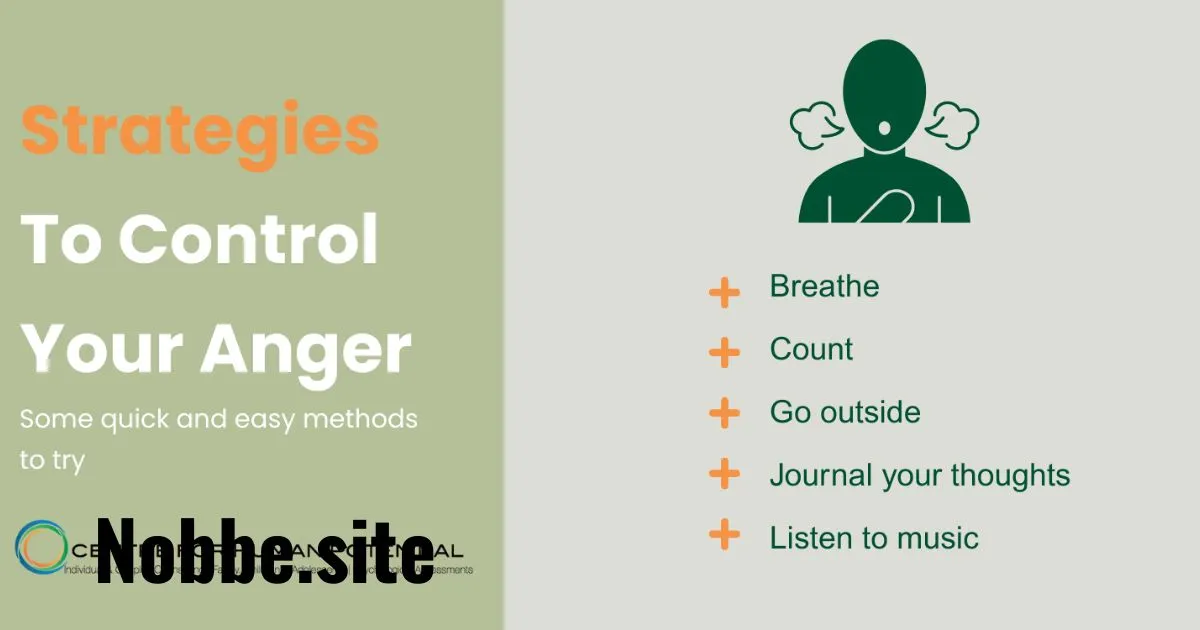
When you feel anger rising, force yourself to pause.
-
Take a step back physically from the situation.
-
Count slowly to ten (or 100 if you need to!).
-
Do not speak or reply to a text message during this crucial window.
2. Master the Art of Deep Breathing
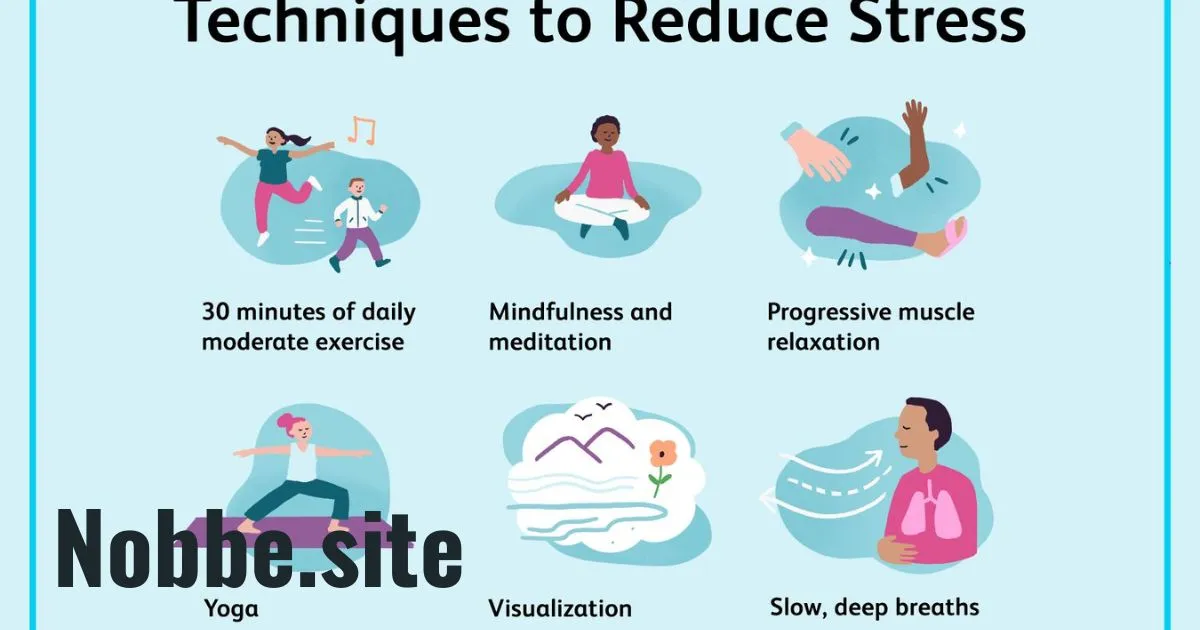
When you are angry, your breathing becomes shallow and rapid, signaling to your brain that you are in danger. You can reverse this state by intentionally slowing down your breath.
Try the 4-7-8 Technique: Breathe in quietly through your nose for 4 seconds, hold your breath for 7 seconds, and exhale completely through your mouth for 8 seconds. This activates your parasympathetic nervous system, forcing your body to calm down.
3. Change Your Internal Script (Cognitive Restructuring)
Angry people tend to curse, exaggerate, and think in absolutes. Phrases like “This always happens to me!” or “You never listen!” only add fuel to the fire.
Practice cognitive restructuring, which simply means changing the way you think. Replace dramatic, irrational thoughts with more grounded ones. Instead of thinking, “This traffic ruinous my entire day,” remind yourself, “This is frustrating and I’m going to be late, but it’s not the end of the world.”
4. Express Your Anger Using “I” Statements
Managing anger safely doesn’t mean suppressing it. Bottling up your emotions is just as dangerous as exploding. The key is to express your feelings assertively, not aggressively.
To do this effectively, avoid blaming others and use “I” statements.
| Instead of saying… | Say this instead… |
| “You never help around the house, you’re lazy!” | “I feel overwhelmed when I have to clean up the kitchen by myself.” |
| “You ruined this project because you’re incompetent.” | “I am frustrated that the deadline was missed, let’s figure out what went wrong.” |
5. Channel the Energy into Physical Activity
Anger provides a massive surge of physical energy. Instead of letting that energy turn into destructive behavior (like slamming doors or shouting), redirect it safely.
-
Go for a fast-paced run or walk.
-
Hit the gym or do a quick set of push-ups.
-
Channel it into a creative outlet like journaling or painting.
Long-Term Habits to Reduce Chronic Anger
While the tips above are great for acute moments of rage, preventing chronic anger requires long-term lifestyle adjustments.
-
Prioritize Sleep: A sleep-deprived brain has significantly less emotional regulation. Aim for 7-9 hours of quality sleep.
-
Reduce Caffeine and Alcohol: Both substances can lower your impulse control and heighten irritability.
-
Practice Mindfulness daily: Spending just 5-10 minutes a day meditating can train your brain to observe emotions rather than immediately reacting to them.
When to Seek Professional Help
There is no shame in admitting that anger is winning the battle. If your anger is leading to violent behavior, damaging your closest relationships, or causing you legal trouble, it is time to seek professional support. An anger management counselor or therapist can provide customized tools, such as Cognitive Behavioral Therapy (CBT), to help you heal the root causes of your distress.
Final Thoughts
Learning how to manage anger safely is not about becoming a robot who never feels upset. It is about closing the gap between feeling an emotion and choosing your reaction. By pausing, breathing, and shifting your mindset, you can hold the reins of your emotions—ensuring that you control your anger, rather than letting it control you.