Have you ever opened up to someone about a difficult situation, only to be met with phrases like “Good vibes only!” or “Everything happens for a reason”? While these statements are usually well-intentioned, they often leave you feeling misunderstood, dismissed, and isolated.
This phenomenon is known as toxic positivity. While optimism is generally a healthy trait, forcing a cheerful attitude onto every situation—especially during times of genuine grief or hardship—can become harmful.
To build deeper connections and support the people we care about, we need to transition away from forced optimism and learn how to practice real empathy. This article breaks down the clear signs of toxic positivity and outlines actionable ways to cultivate authentic emotional validation.
What is Toxic Positivity?
Toxic positivity is the belief that no matter how difficult or painful a situation is, people should maintain a strictly positive mindset. It is an overgeneralization of a happy state across all life experiences.
When we refuse to acknowledge negative emotions, we suppress them. According to psychological research, suppressing emotions does not make them go away; instead, it increases internal stress and can lead to anxiety or depression over time. Experiencing sadness, anger, fear, and frustration is a fundamental part of the human experience.
Red Flags: Common Signs of Toxic Positivity
Toxic positivity can be directed at yourself (internal) or toward others (external). Recognizing these red flags is the first step toward healthier communication.
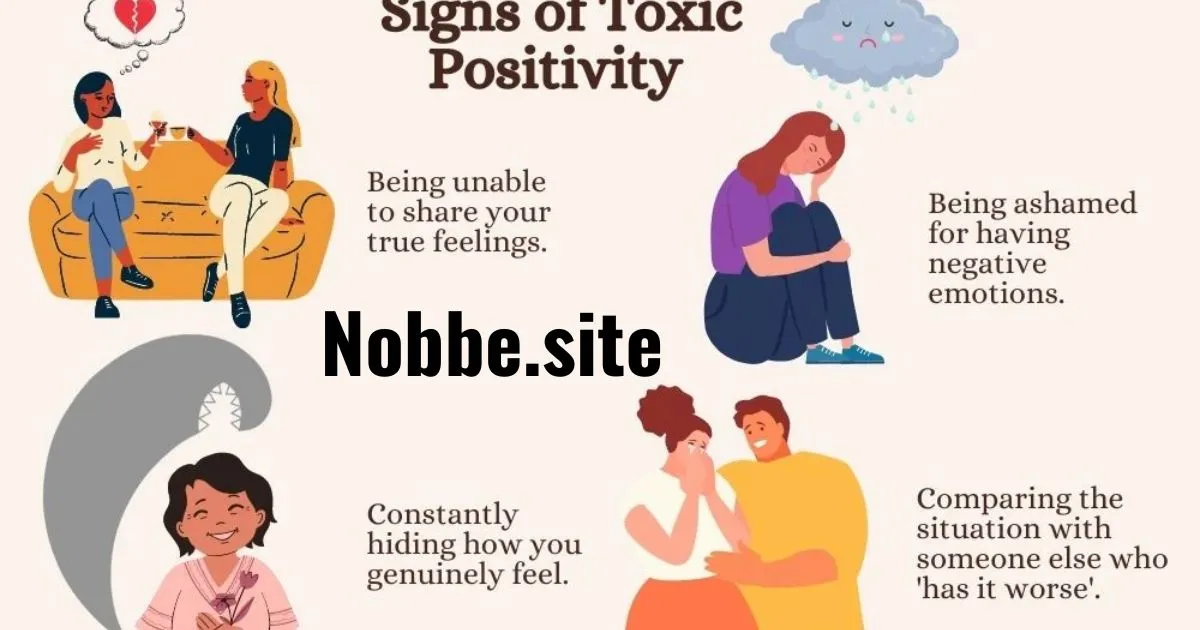
1. Minimizing or Dismissing Genuine Pain
If someone shares that they lost their job or are going through a breakup, replying with “Look on the bright side” or “It could be worse” effectively minimizes their experience. It sends a message that their current pain is invalid or dramatic.
2. Feeling Guilty for Being Sad or Angry
If you find yourself feeling deeply ashamed or guilty whenever you experience a down day, you are likely suffering from self-directed toxic positivity. You might tell yourself, “I have so much to be grateful for, I shouldn’t feel this way.”
3. Masking True Emotions
Consistently hiding your real feelings behind a fake, cheerful facade is a major sign. People doing this often put on a brave face to avoid dealing with uncomfortable emotions or to prevent making others “uncomfortable.”
4. Shaming Others for Not Being Positive
Offering harsh perspectives like “Your attitude determines your reality” to someone going through a genuine trauma or systemic issue is a form of emotional shaming. It implies that their suffering is entirely their own fault due to a lack of positive thinking.
Toxic Positivity vs. Real Empathy: The Phrase Swap
To better understand how these two concepts sound in daily life, look at how simple shifts in phrasing can change an entire conversation:
| Toxic Positivity Phrase (What to Avoid) | Real Empathy Phrase (What to Say) |
| “Don’t think about it, just stay positive!” | “I’m here for you, whether you want to talk or just sit in silence.” |
| “Everything happens for a reason.” | “I am so sorry you have to go through this. It really sucks.” |
| “Failure is not an option.” | “Failure is a natural part of growth. How can I support you?” |
| “You’ll get over it!” | “Take all the time you need. Your feelings are completely valid.” |
How to Practice Real Empathy
Empathy isn’t about fixing someone’s problems or finding a silver lining. It is about the willingness to step into the dark with them and sit by their side without judgment. Here is how you can practice real empathy:
Conclusion
Optimism has its place, but it should never come at the cost of emotional truth. True mental resilience doesn’t come from pretending everything is perfect; it comes from allowing ourselves to feel the full spectrum of human emotions, processing them safely, and moving forward.
By recognizing the signs of toxic positivity within ourselves and our social circles, we can actively choose a path of genuine connection. The next time someone you love is hurting, skip the cheerful platitudes. Choose real empathy, hold space for their pain, and let them know they don’t have to walk through it alone.