
Why Are Organic Fruits and Vegetables Important?
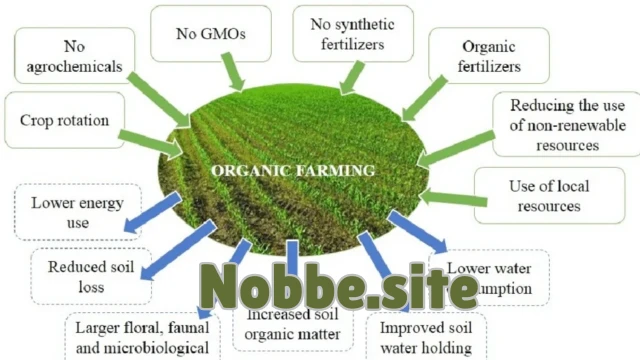
Organic fruits and vegetables are a cornerstone of a healthy, chemical-free diet. They are grown without synthetic pesticides, chemical fertilizers, or genetically modified organisms (GMOs), which makes them safer, more nutritious, and environmentally friendly.
In simple terms:
Organic fruits and vegetables are important because they are healthier for your body, safer for the environment, and support sustainable agriculture.
1. Reduced Exposure to Pesticides
One of the main reasons organic fruits and vegetables are important is that they reduce your exposure to synthetic pesticides.
Health Benefits:
- Lower risk of chemical residues in your body
- Reduced chance of hormone disruption
- Safer for children and pregnant women, who are more sensitive to chemicals
2. Higher Nutrient Content
Organic fruits and vegetables often contain higher levels of certain nutrients compared to conventional produce.
Nutritional Advantages:
- Increased antioxidants such as polyphenols and flavonoids
- Higher vitamin and mineral content in some crops
- Slower, natural growth can enhance nutrient density
3. Avoidance of GMOs and Additives
Organic produce is non-GMO and free from artificial additives.
- Protects your body from genetically modified substances
- Reduces potential long-term health risks associated with chemical additives
4. Environmental Benefits
Choosing organic fruits and vegetables supports sustainable farming practices.
Benefits for the Environment:
- Less chemical runoff into soil and waterways
- Supports soil health and biodiversity
- Reduces greenhouse gas emissions from chemical fertilizers
5. Supporting Local and Ethical Farming
Organic produce often comes from local farms that use sustainable practices.
- Encourages environmentally responsible farming
- Supports small-scale farmers and local economies
- Promotes ethical treatment of farmworkers and animals
6. Better Taste and Quality
Many people report that organic fruits and vegetables taste fresher and more flavorful.
- Soil quality and natural growing methods can enhance flavor
- Less reliance on artificial growth accelerators improves texture and sweetness
7. Reducing Long-Term Health Risks
Eating organic produce can help lower the cumulative risk of chronic diseases:
- Reduces exposure to pesticide-related health risks
- Supports cardiovascular and metabolic health
- May reduce inflammation in the body
8. Tips for Choosing Organic Fruits and Vegetables
- Focus on the “Dirty Dozen”, which are crops with the highest pesticide residues
- Look for official organic certification logos
- Buy seasonal and locally grown produce for maximum freshness and nutrient content
- Wash fruits and vegetables, even if organic, to remove soil and bacteria
FAQs About Organic Fruits and Vegetables
1. Are organic fruits and vegetables always more nutritious?
Some studies suggest slightly higher antioxidants and vitamins, but the biggest benefit is reduced chemical exposure.
2. Why are organic vegetables safer for children?
Children are more sensitive to pesticides, so organic produce reduces their exposure to harmful chemicals.
3. Can organic fruits and vegetables help prevent disease?
Organic produce reduces chemical exposure, which may lower long-term disease risk, but it should be combined with a healthy lifestyle.
4. Are organic fruits and vegetables worth the higher cost?
Yes, especially for high-pesticide crops and when considering long-term health and environmental benefits.
5. How do I know if produce is truly organic?
Look for official certification labels such as USDA Organic, EU Organic, or India Organic, which verify organic farming standards.