What Is the Link Between Organic Food and Digestion?
Eating organic food can have a significant impact on your digestive health. By reducing exposure to synthetic chemicals and consuming nutrient-rich, minimally processed foods, an organic diet supports a healthy gut and improves overall digestion.
In simple terms:
Organic food promotes better digestion by supporting gut health, reducing inflammation, and providing natural nutrients that aid the digestive process.
1. Reduced Chemical and Pesticide Exposure
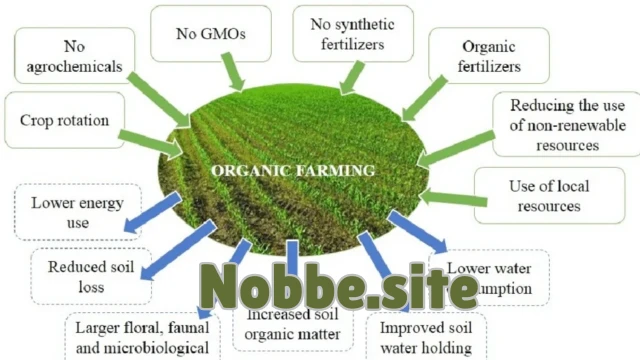
Organic foods are grown without synthetic pesticides, herbicides, or fertilizers.
Digestive Benefits:
- Less chemical residue in the digestive tract
- Reduced irritation of the gut lining
- Supports a healthy balance of gut bacteria
2. Higher Fiber Content
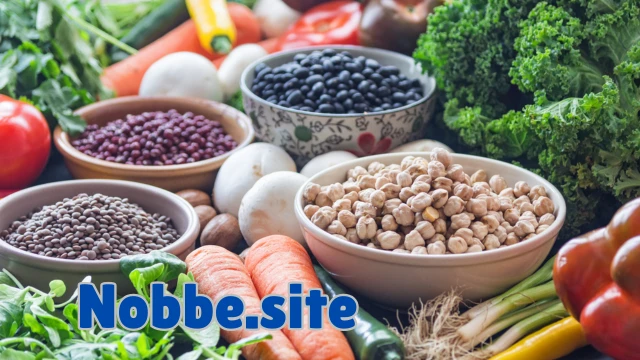
Organic fruits, vegetables, legumes, and whole grains are often minimally processed and rich in dietary fiber.
How Fiber Supports Digestion:
- Promotes regular bowel movements
- Prevents constipation and bloating
- Feeds beneficial gut bacteria (prebiotic effect)
3. Healthier Gut Microbiome
Organic foods, free from additives and preservatives, support the growth of healthy gut bacteria.
Gut-Immune Connection:
- A balanced microbiome improves nutrient absorption
- Reduces inflammation and digestive discomfort
- Supports immune function and overall well-being
4. Reduced Inflammation in the Gut
Organic foods are rich in antioxidants, vitamins, and omega-3 fatty acids.
Effects on Digestive Health:
- Antioxidants combat oxidative stress in the gut lining
- Omega-3s reduce inflammation and support mucosal health
- Less gut irritation compared to conventionally grown foods with pesticide residues
5. Better Absorption of Nutrients
Organic foods often contain higher levels of vitamins, minerals, and phytonutrients.
Digestive Advantages:
- Easier breakdown and absorption of nutrients
- Supports metabolic and enzymatic functions in the digestive system
- Improves overall energy and health
6. Avoidance of Additives and Preservatives
Processed conventional foods often contain artificial colors, flavors, stabilizers, and preservatives. Organic food minimizes these additives.
How This Helps Digestion:
- Reduces gut irritation and sensitivity
- Lowers the risk of digestive disorders such as bloating, gas, or leaky gut
- Promotes a more comfortable and efficient digestive process
7. Summary
Organic food supports digestion by:
- Minimizing exposure to harmful chemicals and preservatives
- Providing fiber for regular bowel movements and gut health
- Supporting a balanced gut microbiome
- Reducing gut inflammation
- Improving nutrient absorption
In short, choosing organic food helps your digestive system work more efficiently while supporting overall gut health.
FAQs About Organic Food and Digestion
1. Can eating organic food help with constipation?
Yes. Organic fruits, vegetables, legumes, and whole grains are high in fiber, which promotes regular bowel movements.
2. Does organic food improve gut microbiome health?
Yes. Minimally processed organic foods with fewer additives support the growth of beneficial gut bacteria.
3. Can organic foods reduce digestive inflammation?
Yes. Antioxidants and omega-3s in organic foods help reduce inflammation in the gut lining.
4. Are organic foods better absorbed than conventional foods?
Often yes, because they may contain higher levels of vitamins, minerals, and phytonutrients, making digestion and absorption more efficient.
5. Should I eat only organic foods for better digestion?
While organic foods support digestion, a balanced diet rich in fiber, whole foods, and hydration is essential for optimal digestive health.