
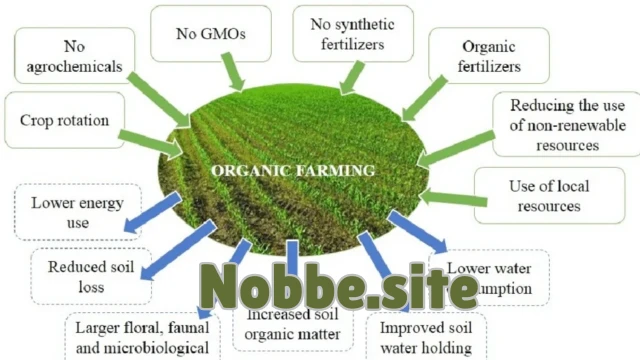
What Are the Long-Term Effects of Organic Food?
Eating organic is more than a short-term dietary choice—it can have lasting effects on health, environment, and overall well-being. Consistently choosing organic foods supports nutrient intake, reduces chemical exposure, and encourages sustainable living habits.
In simple terms:
Long-term consumption of organic food promotes better health, reduces disease risk, and contributes to environmental sustainability.
1. Reduced Exposure to Harmful Chemicals
Organic foods are grown without synthetic pesticides, herbicides, and fertilizers.
Long-Term Health Benefits:
- Lower risk of chemical-related illnesses
- Reduced exposure to hormone-disrupting substances
- Decreased accumulation of toxins in the body over time
2. Improved Nutritional Status
Many organic fruits, vegetables, and animal products have higher nutrient density than conventional options.
Benefits Over Time:
- Supports long-term immune function and energy
- Enhances nutrient-dependent processes like metabolism and hormone production
- Promotes healthy growth, aging, and cellular repair
3. Better Gut Health
Organic foods are typically free of preservatives, artificial additives, and excess antibiotics found in conventional food.
Gut Benefits Long-Term:
- Supports a healthy gut microbiome
- Reduces chronic digestive issues like bloating, inflammation, or leaky gut
- Improves nutrient absorption and overall metabolic health
4. Lower Risk of Chronic Diseases
Eating organic can help reduce exposure to harmful compounds that contribute to chronic illnesses.
Examples:
- Reduced risk of certain cancers due to lower pesticide exposure
- Lower likelihood of metabolic syndrome, obesity, and diabetes
- Decreased inflammation-related disorders over time
5. Enhanced Hormonal Balance
Organic foods reduce exposure to endocrine-disrupting chemicals, which can accumulate with long-term consumption.
Hormonal Benefits:
- Supports thyroid, adrenal, and reproductive hormone health
- Helps maintain energy, mood, and metabolic stability
- Reduces risk of hormone-related disorders like PCOS
6. Environmental and Ethical Impact
Long-term organic food consumption also benefits the planet and society.
Sustainable Outcomes:
- Reduces pesticide runoff and soil degradation
- Promotes animal welfare through organic farming practices
- Encourages biodiversity and healthier ecosystems
7. Lifestyle Benefits
Choosing organic often comes with a broader focus on wellness:
- Prioritizing whole, unprocessed foods
- Reducing consumption of ultra-processed and junk foods
- Encouraging mindful, sustainable, and balanced living
Over time, these habits contribute to long-term physical and mental well-being.
8. Summary
The long-term effects of organic food include:
- Reduced chemical exposure and toxin accumulation
- Improved nutritional status and immune function
- Better gut and digestive health
- Lower risk of chronic diseases
- Enhanced hormone balance
- Positive environmental and ethical impact
- Adoption of healthier lifestyle habits
In short, consistently eating organic supports lifelong health, vitality, and sustainability.
FAQs About the Long-Term Effects of Organic Food
1. Can organic food reduce the risk of chronic diseases?
Yes. Lower exposure to chemicals, higher nutrient intake, and reduced inflammation all contribute to lower long-term disease risk.
2. How long does it take to see benefits from eating organic?
Some benefits, like reduced chemical exposure, are immediate, while nutrient-related improvements, gut health, and disease prevention become noticeable over months or years.
3. Is organic food more beneficial for children and the elderly?
Yes. Children are more sensitive to toxins, and the elderly benefit from nutrient-dense, anti-inflammatory foods to support aging and immune health.
4. Does organic eating improve mental health over time?
Potentially, yes. Nutrient-rich foods, reduced chemical exposure, and balanced hormones can support cognitive function and mood stability.
5. Can organic food alone guarantee long-term health?
No. Long-term health is best supported by a combination of organic eating, regular exercise, adequate sleep, stress management, and other healthy lifestyle practices.