
How Does an Organic Lifestyle Impact Energy Levels?
Adopting an organic lifestyle does more than improve overall health—it can also boost your energy levels. By focusing on natural, chemical-free foods and sustainable habits, your body functions more efficiently and feels more energized throughout the day.
In simple terms:
An organic lifestyle supports your energy levels by reducing toxins, improving nutrient intake, and promoting healthier digestion and metabolism.
1. Reduced Toxin Load
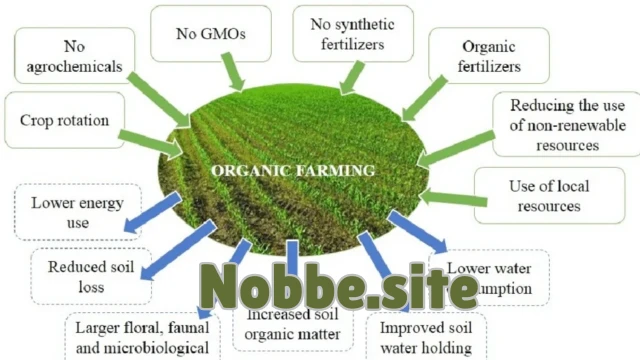
Organic foods are grown without synthetic pesticides, herbicides, and fertilizers.
How This Boosts Energy:
- Fewer toxins for your body to process
- Less strain on the liver and kidneys
- More energy available for physical and mental activities
2. Improved Nutrient Intake
Organic fruits, vegetables, grains, and animal products often have higher nutrient density.
Energy-Enhancing Nutrients:
- B vitamins: Support energy production and metabolism
- Iron and magnesium: Help prevent fatigue
- Antioxidants: Reduce oxidative stress and improve cellular energy
3. Stable Blood Sugar Levels
Organic whole foods typically contain fewer refined sugars and processed ingredients.
Effects on Energy:
- Prevents blood sugar spikes and crashes
- Maintains consistent energy throughout the day
- Reduces feelings of fatigue caused by sugar highs and lows
4. Healthier Gut and Digestion
Organic diets emphasize minimally processed foods, which support gut health.
Connection Between Gut and Energy:
- A balanced gut microbiome improves nutrient absorption
- Reduced inflammation supports more efficient digestion
- Better digestion = more usable energy from the food you eat
5. Anti-Inflammatory Benefits
Organic foods, rich in antioxidants and omega-3 fatty acids, reduce chronic inflammation.
How Inflammation Affects Energy:
- Chronic inflammation can cause fatigue and lethargy
- Anti-inflammatory nutrients help maintain energy and alertness
- Supports quicker recovery from physical exertion
6. Reduced Exposure to Artificial Stimulants
Conventional diets often rely on caffeine, energy drinks, and processed foods for temporary energy. Organic eating reduces dependency on these stimulants.
Benefits for Energy:
- More natural, consistent energy without crashes
- Encourages healthier energy management habits
- Promotes long-term vitality rather than short-term boosts
7. Holistic Lifestyle Effects
An organic lifestyle often includes:
- Mindful eating
- Regular physical activity
- Natural, clean living environment
- Reduced exposure to environmental toxins
All of these contribute to better overall energy levels and well-being.
8. Summary
An organic lifestyle impacts energy levels by:
- Reducing toxins that drain energy
- Increasing nutrient-dense food intake
- Stabilizing blood sugar
- Supporting gut health and digestion
- Lowering inflammation
- Encouraging holistic, healthy habits
In short, living organically supports sustained, natural energy throughout the day.
FAQs About Organic Lifestyle and Energy
1. How quickly can I feel more energetic after switching to organic foods?
Some improvements, like reduced chemical exposure, are immediate. More noticeable energy improvements often appear after a few weeks of consistent eating and lifestyle habits.
2. Can organic eating replace caffeine or energy drinks?
Yes. By providing natural, stable energy through proper nutrition, an organic lifestyle reduces the need for artificial stimulants.
3. Are all organic foods equally energizing?
Whole, nutrient-dense organic foods like fruits, vegetables, nuts, seeds, and whole grains are most effective. Organic junk foods do not provide lasting energy.
4. Does an organic lifestyle help with mental energy too?
Yes. Better nutrient intake, reduced toxins, and balanced blood sugar improve mental clarity, focus, and cognitive energy.
5. Can I combine organic eating with exercise for better energy?
Absolutely. An organic diet supports metabolism and recovery, making physical activity more effective and less tiring.