What Is Organic Farming? A Simple Explanation
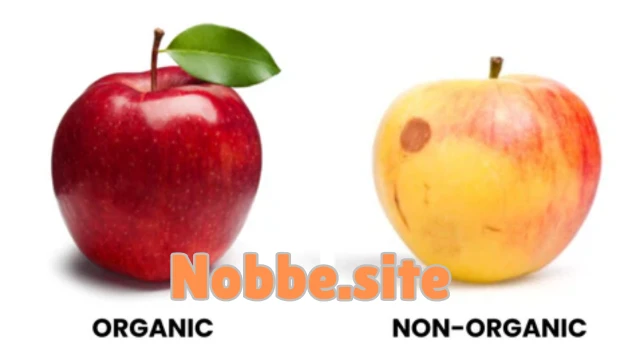
Organic farming is a method of growing food using natural processes instead of synthetic chemicals. It focuses on maintaining soil health, protecting the environment, and producing food without relying on artificial pesticides, chemical fertilizers, or genetically modified organisms (GMOs).
In simple terms:
Organic farming is a way of growing crops and raising animals by working with nature, not against it.
What Does Organic Farming Mean?
Organic farming is an agricultural system that avoids most synthetic inputs and instead uses natural methods to grow food.
It includes:
- Natural fertilizers like compost and manure
- Biological pest control instead of chemical sprays
- Crop rotation to maintain soil health
- Sustainable farming practices that protect ecosystems
The goal is to produce healthy food while keeping the environment balanced and sustainable.
How Organic Farming Works
Organic farming relies on natural cycles and ecological balance.
Soil Health Management
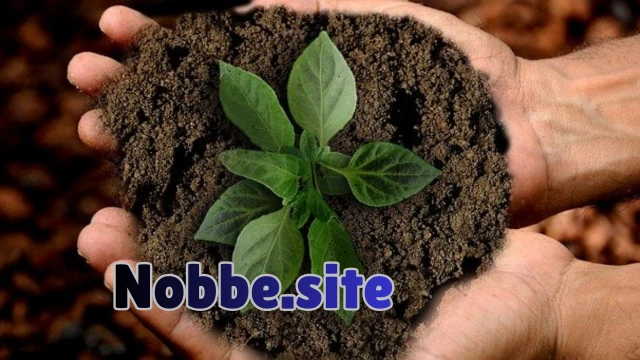
Healthy soil is the foundation of organic farming. Farmers improve soil using:
- Compost and organic matter
- Natural nutrients from plants and animals
- Crop rotation to prevent soil exhaustion
Natural Pest Control
Instead of chemical pesticides, organic farmers use:
- Beneficial insects (like ladybugs)
- Natural plant-based sprays
- Physical barriers and traps
- Crop diversity to reduce pest spread
Weed Control
Weeds are managed through:
- Manual removal
- Mulching (covering soil with organic material)
- Mechanical tools instead of chemicals
Crop Rotation and Diversity
Farmers grow different crops in rotation to:
- Maintain soil nutrients
- Reduce pests and diseases
- Improve long-term productivity
Organic Farming vs Conventional Farming
| Feature | Organic Farming | Conventional Farming |
|---|---|---|
| Fertilizers | Natural (compost, manure) | Chemical fertilizers |
| Pesticides | Natural methods | Synthetic chemicals |
| GMOs | Not allowed | Often used |
| Soil health | Maintained and improved | Can degrade over time |
| Environmental impact | Lower | Higher |
Organic Animal Farming
Organic farming also includes livestock production.
Animals in organic systems are:
- Fed organic, non-GMO feed
- Raised without routine antibiotics or hormones
- Given access to outdoor space
- Treated under stricter welfare standards
This applies to meat, dairy, and eggs.
Benefits of Organic Farming
Environmental Benefits
- Reduces chemical pollution in soil and water
- Supports biodiversity
- Improves long-term soil fertility
Health Benefits
- Reduces exposure to synthetic pesticide residues
- Produces cleaner food
Sustainability Benefits
- Protects natural resources
- Encourages long-term farming stability
Challenges of Organic Farming
Organic farming also has limitations:
- Lower crop yields compared to industrial farming
- Higher production costs
- More labor-intensive methods
- Requires more time for soil transition
Why Organic Farming Is Important
Organic farming is important because it helps balance food production with environmental protection. It aims to create a system where farming does not damage ecosystems or rely heavily on synthetic chemicals.
Conclusion
Organic farming is a natural and sustainable method of agriculture that avoids synthetic chemicals and focuses on soil health, biodiversity, and environmental balance. It is designed to produce food in a cleaner and more eco-friendly way.