What Is Organic Food and How Is It Produced?
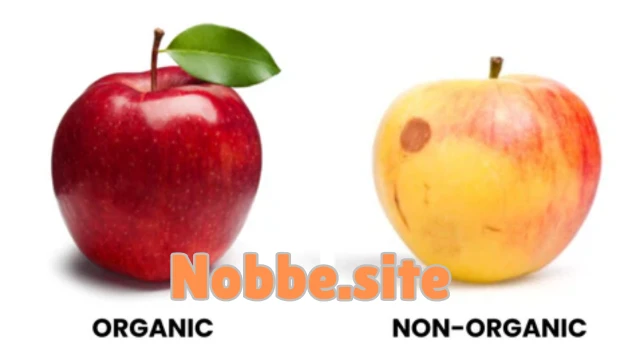
Organic food refers to food products that are grown and processed without the use of synthetic pesticides, chemical fertilizers, genetically modified organisms (GMOs), or artificial additives. It is produced using natural farming methods that aim to protect soil health, biodiversity, and long-term environmental balance.
In simple terms, organic food is grown in a way that works with nature instead of against it.
What Is Organic Food?
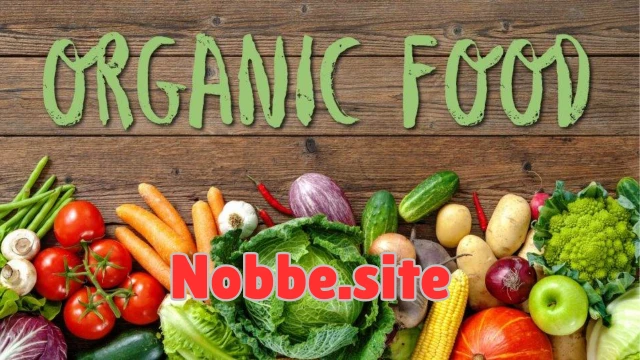
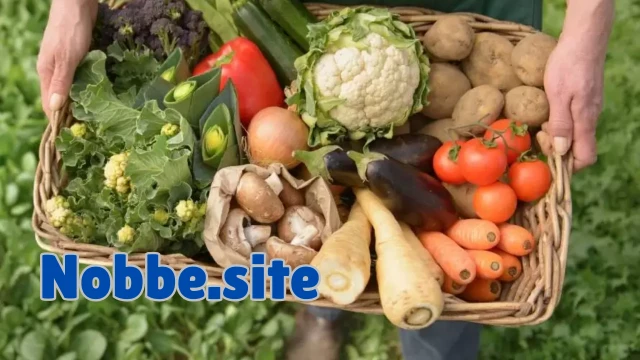
Organic food includes fruits, vegetables, grains, dairy, meat, and processed foods that are produced according to strict organic farming standards.
To be classified as organic, food must typically meet these conditions:
- No synthetic pesticides or herbicides
- No chemical fertilizers
- No genetically modified organisms (GMOs)
- No artificial preservatives or flavors
- No routine use of antibiotics or growth hormones in animals
The goal is to produce food that is cleaner, more natural, and less chemically processed.
How Is Organic Food Produced?
Organic food production follows specific farming and processing methods designed to maintain ecological balance and soil fertility.
Organic Farming Practices
Organic farming focuses on natural processes instead of synthetic chemicals.
Key methods include:
- Crop rotation to maintain soil health
- Composting and natural fertilizers like manure
- Biological pest control instead of chemical pesticides
- Use of cover crops to prevent soil erosion
- Maintaining biodiversity on farmland
These methods help keep the soil fertile and reduce environmental damage.
Soil Management in Organic Farming
Healthy soil is the foundation of organic food production.
Organic farmers improve soil quality by:
- Adding organic matter like compost
- Avoiding chemical overuse that damages microorganisms
- Encouraging natural nutrient cycles
Healthy soil produces stronger, more nutrient-rich crops over time.
Pest and Weed Control
Instead of chemical sprays, organic farming uses natural alternatives such as:
- Beneficial insects (like ladybugs for pest control)
- Manual weeding or mechanical tools
- Natural plant-based sprays
- Crop diversity to reduce pest buildup
This approach reduces chemical contamination in food and soil.
Animal-Based Organic Food Production
For organic meat, dairy, and eggs, animals must be raised under specific conditions:
- Organic feed without GMOs or chemicals
- Access to outdoor space and natural environments
- No routine antibiotics or growth hormones
- Ethical and humane treatment standards
This ensures healthier animals and cleaner animal-based products.
Processing and Packaging
Even after harvesting, organic food must be handled carefully.
Organic processing rules include:
- No artificial preservatives or colorants
- Minimal processing methods
- Separation from non-organic foods to prevent contamination
- Eco-friendly packaging where possible
Certification of Organic Food
Food can only be labeled organic if it is certified by an authorized body.
Certification ensures:
- Farming methods follow strict organic standards
- Regular inspections are conducted
- Products are traceable from farm to table
Common organic certifications vary by region, such as EU Organic or USDA Organic.
Benefits of Organic Food
Health Benefits
- Reduced exposure to pesticide residues
- Fewer artificial additives
- Potentially higher nutrient quality in some foods
Environmental Benefits
- Improved soil health
- Reduced water and air pollution
- Support for biodiversity
Ethical Benefits
- Better animal welfare standards
- More sustainable farming systems
Organic Food vs Conventional Food
| Feature | Organic Food | Conventional Food |
|---|---|---|
| Pesticides | Natural methods only | Synthetic pesticides used |
| Fertilizers | Compost and natural inputs | Chemical fertilizers |
| GMOs | Not allowed | Often used |
| Additives | Restricted | Common |
| Environmental impact | Lower | Higher |
Is Organic Food Always Healthier?
Organic food reduces chemical exposure, but it is not automatically more nutritious in every case. The main benefits come from:
- Lower pesticide intake
- Fewer synthetic additives
- More sustainable farming practices
A balanced diet is still the most important factor for health.
Conclusion
Organic food is produced through natural farming methods that avoid synthetic chemicals, GMOs, and artificial processing. It focuses on soil health, environmental sustainability, and cleaner food production.
While it may be more expensive, many people choose organic food for its reduced chemical exposure and environmental benefits. The key idea behind organic food is simple: produce food in harmony with nature, not through industrial shortcuts.