In our fast-paced world, we often prioritize high-intensity workouts like running or weightlifting, completely overlooking a crucial pillar of physical health: flexibility. Developing a flexible body isn’t just for yogis or gymnasts. Improved flexibility reduces your risk of injury, alleviates muscle soreness, enhances posture, and helps you move efficiently throughout the day.
If you are struggling to touch your toes or feeling chronic stiffness from sitting at a desk, incorporating a daily stretching routine is a game-changer. Here are the top 10 stretching exercises to increase flexibility, mobility, and overall physical performance.
1. Standing Hamstring Stretch
The hamstrings run down the back of your thighs and are notoriously tight in people who sit for long periods.
-
How to do it: Stand tall with your feet hip-width apart. Take a small step forward with your right foot, flexing your toes toward the ceiling. Hinge forward from your hips, keeping your back straight, and gently lower your chest toward your right thigh until you feel a deep stretch. Hold for 20–30 seconds, then switch sides.
-
SEO Tip: Targeting tight hamstrings relieves low back tension instantly.
2. Downward-Facing Dog
Borrowed from yoga, this classic inversion is a full-body flexibility powerhouse that targets your calves, hamstrings, shoulders, and spine simultaneously.
-
How to do it: Start on your hands and knees in a tabletop position. Press your hands firmly into the floor, lift your knees off the ground, and push your hips up and back toward the ceiling. Straighten your legs as much as possible and press your heels down. Keep your neck relaxed.
3. The Butterfly Stretch
This exercise targets the groin, inner thighs, and hips, which are crucial areas for lower-body mobility and preventing lower-back pain.
-
How to do it: Sit on the floor with your back straight. Bring the soles of your feet together, allowing your knees to drop out to the sides. Grasp your feet or ankles, pull your heels closer to your body, and gently press your knees down using your elbows. Hinge slightly forward from the waist for a deeper stretch.
4. Child’s Pose
A relaxing restorative stretch, Child’s Pose gently lengthens the spine and stretches the lower back, glutes, and shoulders.
-
How to do it: Kneel on the floor, bring your big toes together, and sit back on your heels. Separate your knees about hip-width apart. Fold forward, extending your arms straight out in front of you on the floor, and lower your forehead to the mat. Breathe deeply into your back.
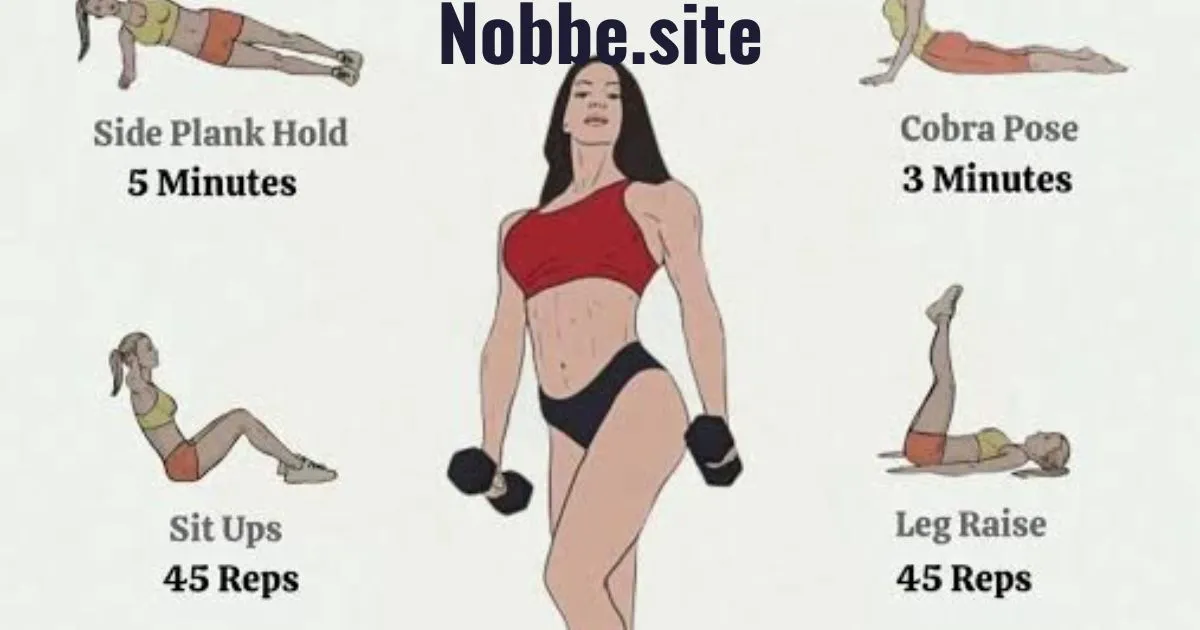
5. Cobra Stretch (Abdominal and Spine Extension)
If you suffer from poor posture due to slouching over a keyboard, the Cobra stretch opens up the chest and stretches the abdominal muscles while improving spinal flexibility.
-
How to do it: Lie face down on your stomach with your legs extended behind you. Place your hands on the floor directly under your shoulders. Keeping your elbows close to your sides, press your pelvis into the floor and gently straighten your arms to lift your chest off the ground. Drop your shoulders away from your ears.
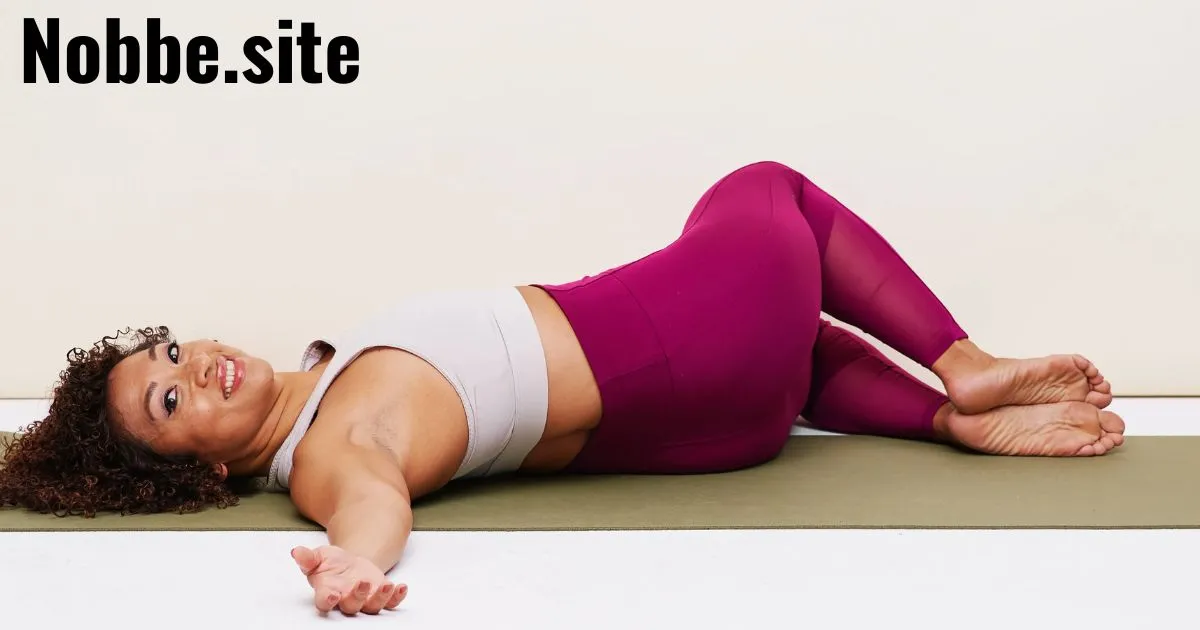
6. Figure-Four Stretch (Glute and Piriformis)
Tight glutes can lead to sciatica and lower back pain. The figure-four stretch isolates the deep gluteal muscles effectively.
-
How to do it: Lie on your back with your knees bent and feet flat on the floor. Cross your right ankle over your left knee, creating a “4” shape. Reach your hands through the gap, clasp them behind your left thigh, and gently pull your legs toward your chest. Switch sides.
7. Cat-Cow Stretch
This dynamic fluid movement improves the flexibility of the neck, shoulders, and the entire spine.
-
How to do it: Start on all fours with a neutral spine. Inhale as you drop your belly toward the floor, lift your chest and look upward (Cow Pose). Exhale as you arch your back toward the ceiling, tucking your chin to your chest (Cat Pose). Move smoothly between the two for 10 repetitions.
8. Standing Quad Stretch
The quadriceps (front of the thigh) are highly active during walking, running, and climbing stairs. Keeping them flexible protects your knee joints.
-
How to do it: Stand on your left leg (hold onto a wall or chair for balance if needed). Bend your right knee, bringing your heel toward your glutes. Reach back with your right hand and grab your ankle. Keep your knees aligned and push your hips slightly forward until you feel the stretch. Hold, then switch.
9. Doorway Chest Stretch
Modern daily life keeps our arms forward, rounding our shoulders. This stretch opens up the pectoral muscles and improves upper body alignment.
-
How to do it: Stand in an open doorway. Raise your arms so your elbows are bent at a 90-degree angle and your forearms rest against the doorframe. Step one foot forward through the doorway until you feel a comfortable stretch across your chest and shoulders.
10. Seated Spinal Twist
This stretch increases rotational mobility in the torso, massaging the internal organs and releasing tension along the lower and mid-back.
-
How to do it: Sit on the floor with both legs extended straight out. Bend your right knee and step your right foot over your left leg, placing it flat on the floor outside your left knee. Place your right hand on the floor behind you for support. Hug your right knee with your left arm or place your left elbow on the outside of your right knee, and gently twist your torso to the right.
Pro Tips for Maximum Flexibility Gains
Warm-Up First: Never stretch cold muscles. Do 5–10 minutes of light dynamic movement (like walking or jumping jacks) beforehand.
Don’t Bounce: Use smooth, static holds. Bouncing can cause micro-tears in the muscle tissue.
Breathe: Inhale deeply and exhale as you sink deeper into the stretch. If you can’t breathe comfortably, you are pushing too hard.
Conclusion
Consistency is the absolute key to increasing your flexibility. Incorporating these top 10 stretching exercises into your daily routine for just 10 to 15 minutes will net noticeable improvements in your posture, mobility, and physical comfort within a few short weeks. Listen to your body, move within a pain-free range of motion, and enjoy the benefits of a more fluid, limber physique!