Bringing a new life into the world is an incredible journey, but it also leaves your body fundamentally changed. Once the initial postpartum haze clears, it is completely natural to want to feel like yourself again. However, shedding pregnancy weight requires a completely different approach than normal dieting. Your body needs time to heal, replenish lost nutrients, and possibly produce milk for your baby.
This gentle guide covers everything you need to know about navigating postpartum weight loss safely, sustainably, and with compassion for your body.
1. Reset Your Timeline: The “Fourth Trimester”
The first rule of postpartum weight loss is to give yourself grace. It took nine months to grow a human being, and it will take at least that long—if not longer—for your body to recover.
Medical experts generally advise against any active weight loss efforts during the first 6 to 8 weeks postpartum. This period is dedicated strictly to tissue healing, hormone stabilizing, and bonding. Extreme calorie restriction too early can deplete your energy, trigger intense mood crashes, and drastically lower your milk supply. Aim for a gradual weight loss of no more than 1 to 2 pounds per week once you are fully cleared by your doctor.
2. Nourish, Don’t Restrict
Crash diets have no place in a healthy postpartum journey. Instead of thinking about what you need to cut out, focus on what you need to add to your plate.
Your body requires nutrient-dense foods to rebuild iron stores and heal muscles. Focus on a diet rich in:
-
Lean Proteins: Chicken, fish, eggs, tofu, and beans to help rebuild pelvic floor and abdominal tissues.
-
Complex Carbohydrates: Oats, brown rice, and quinoa for sustained energy levels.
-
Healthy Fats: Avocados, nuts, seeds, and olive oil to support brain health and hormone regulation.
If You Are Breastfeeding: Your body burns an extra 400 to 500 calories per day just to produce milk. Dropping your daily intake below 1,800 calories can shock your system and damage your supply.
3. Ease Into Movement
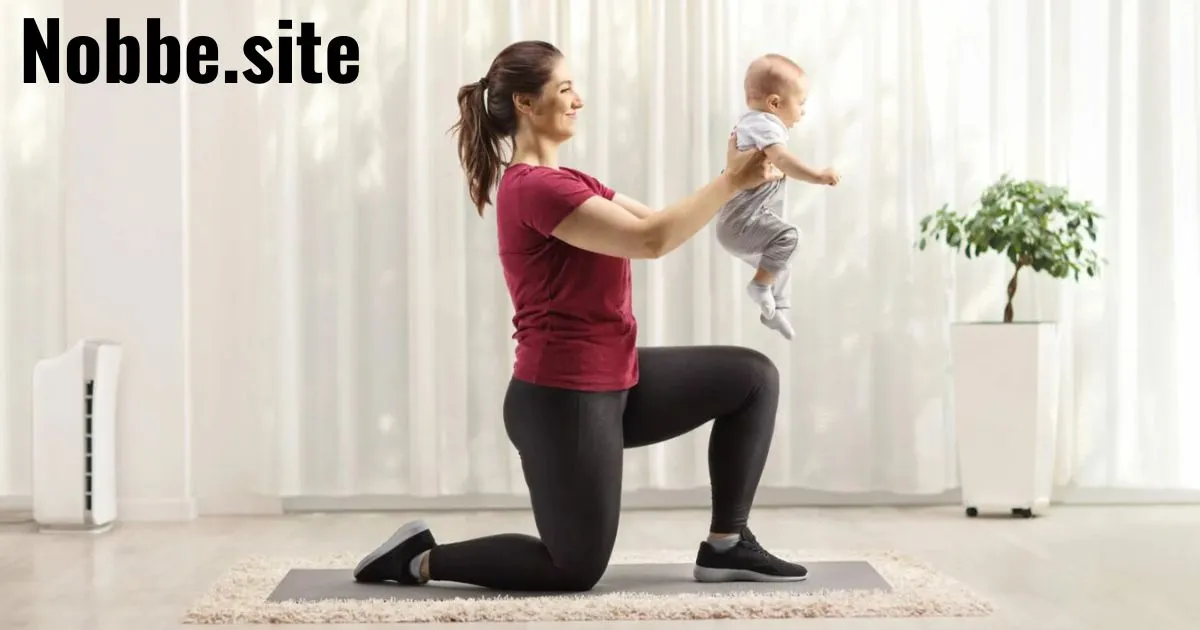
Do not jump straight back into HIIT workouts or heavy lifting. Pregnancy alters your posture and stretches your core muscles, meaning your joints and ligaments are still highly vulnerable.
| Exercise Stage | Timeline (Approximate) | Safe Activities |
| Early Recovery | Weeks 0–6 | Short walks, gentle pelvic floor contractions (Kegels) |
| Light Transition | Weeks 6–12 | Postpartum yoga, swimming, low-impact bodyweight moves |
| Full Return | Weeks 12+ | Gradually introducing jogging or strength training (with clearance) |
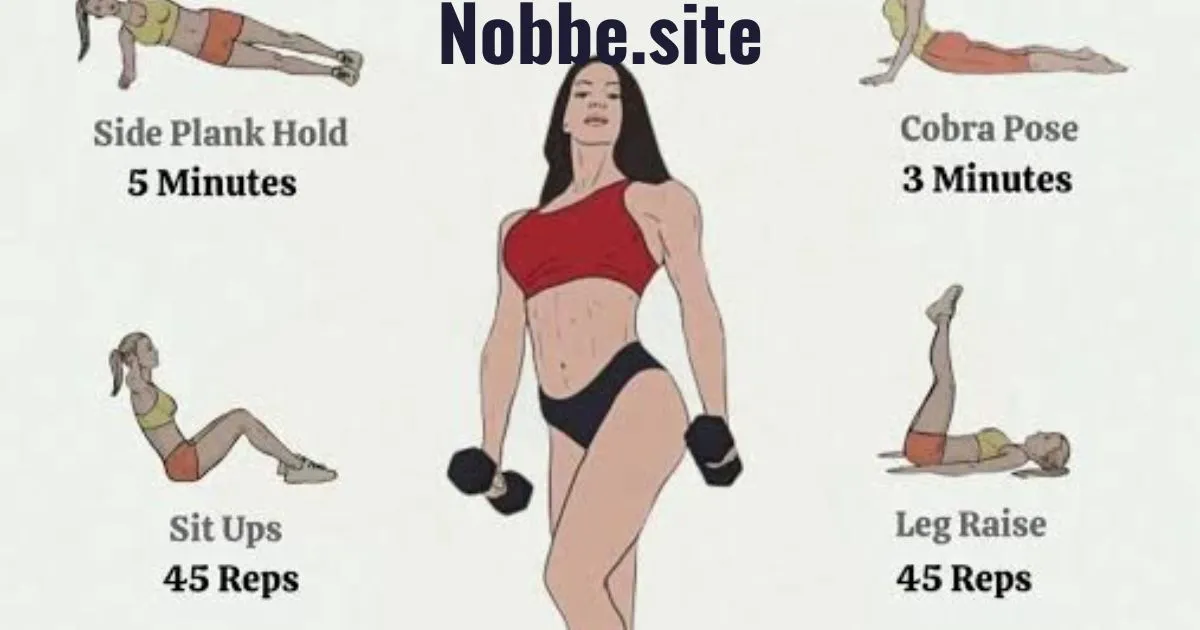
Always check yourself for diastasis recti (the separation of the abdominal muscles) before trying traditional core workouts like crunches or planks, as these can make the condition worse.
4. Prioritize “Micro-Sleep” and Hydration
It sounds impossible with a newborn, but sleep deprivation directly spikes your cortisol (the stress hormone). High cortisol levels send signals to your brain to preserve fat stores and trigger intense cravings for quick energy sources like sugar and refined carbs.
Similarly, mild dehydration is frequently mistaken for hunger. Keep a reusable water bottle in every room where you sit down with your baby. Drinking a full glass of water before every meal or nursing session naturally boosts metabolic function and prevents overeating.
5. Be Kind to Your Mind
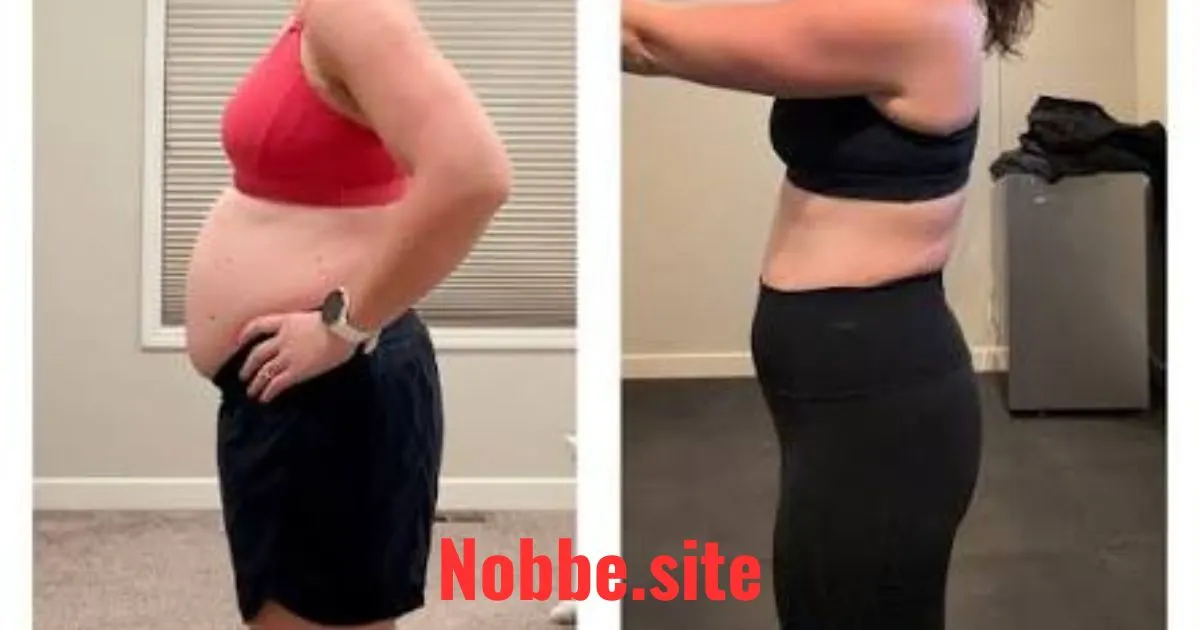
Postpartum weight loss is as much mental as it is physical. Your body did something extraordinary; the extra skin, wider hips, and soft belly are a testament to that strength. Celebrate the small victories—like feeling stronger during a walk or having more energy—rather than focusing entirely on the numbers on the scale.