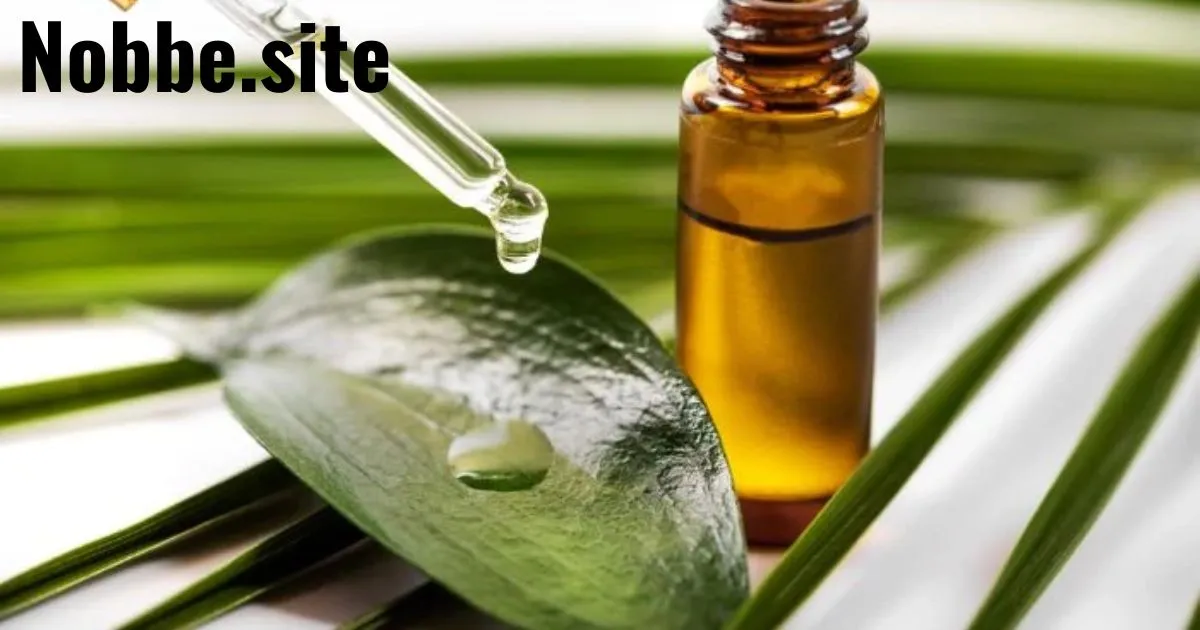
In our fast-paced, high-stress world, finding natural ways to unwind and support our well-being has become more important than ever. Enter essential oils—nature’s concentrated extracts that offer a aromatic pathway to holistic health.
If you are new to the world of aromatherapy, walking down the oil aisle can feel incredibly overwhelming. With hundreds of options, cryptic botanical names, and endless application methods, where do you even start?
This ultimate beginner’s guide will demystify essential oils, explain how they work, and give you a safe, practical blueprint to start your aromatherapy journey today.
What Are Essential Oils?
Essential oils are highly concentrated liquid extracts derived from the roots, leaves, seeds, flowers, or bark of plants. They aren’t actually “oily” in the traditional sense; rather, they are the volatile aromatic compounds that give a plant its distinct scent and protect it in nature.
Think of an essential oil as the “essence” of the plant. Because they are so concentrated, a single drop of essential oil can pack a massive therapeutic punch. For example, it takes roughly 28 cups of peppermint tea to equal the potency of just one drop of peppermint essential oil!
How Do Essential Oils Work?
When you inhale an essential oil, the airborne molecules travel up your nose and interact with your olfactory system, which is directly linked to the limbic system in your brain.
Did You Know? The limbic system is the emotional control center of the brain. It regulates heart rate, blood pressure, stress levels, memory, and hormone balance. This is why a single whiff of a familiar scent can instantly calm you down or trigger a vivid memory.
When applied topically, these small molecules can penetrate the skin, allowing your body to absorb the plant’s beneficial properties locally.
The Big Four: Best Essential Oils for Beginners
If you are building your very first starter kit, you don’t need fifty different bottles. Start with these four versatile powerhouses:
1. Lavender (Lavandula angustifolia)
-
Primary Benefit: Relaxation and sleep.
-
How to use it: Diffuse it before bed, or mix a drop with a carrier oil and apply it to the bottoms of your feet for a restful night’s sleep. It’s also excellent for soothing minor skin irritations.
2. Peppermint (Mentha piperita)
-
Primary Benefit: Energy and cooling relief.
-
How to use it: Inhale directly from the bottle for a midday energy boost, or dilute and massage onto your temples to soothe a tension headache.
3. Tea Tree (Melaleuca alternifolia)
-
Primary Benefit: Purification and skincare.
-
How to use it: Known for its powerful antimicrobial properties, tea tree is a go-to for spot-treating acne, treating minor cuts, or adding to DIY household cleaners.
4. Lemon (Citrus limon)
-
Primary Benefit: Uplifting mood and cleansing.
-
How to use it: Diffuse lemon oil to clear the air and boost your focus. It’s also incredible at cutting through grease and sticky residues naturally.
How to Use Essential Oils Safely
Because essential oils are incredibly potent, safety should always be your top priority. There are two primary ways for beginners to use them: Aromatically and Topically.
Aromatic Use
This is the easiest and safest way to start.
-
Diffusing: Add 3 to 5 drops of your chosen oil into an ultrasonic diffuser filled with water.
-
Steam Inhalation: Add a drop of eucalyptus or peppermint oil to a bowl of hot water, drape a towel over your head, and breathe in the steam to clear congestion.
Topical Use
Never apply pure essential oils directly to your skin without diluting them first. Doing so can cause severe skin irritation or sensitization over time.
-
Always use a Carrier Oil: Carrier oils are plant-based oils (like Jojoba, Sweet Almond, or Fractionated Coconut Oil) that “carry” the essential oil safely onto your skin.
-
The Golden Dilution Rule for Adults: A safe standard dilution for daily use on adults is 2%.
| Application | Carrier Oil Amount | Essential Oil Drops (2% Dilution) |
| Facial Skin | 1 tsp (5 ml) | 1 drop |
| Body Massage | 1 tbsp (15 ml) | 6 drops |
| Roller Bottle | 10 ml | 6 drops |
-
Perform a Patch Test: Apply a small amount of diluted oil to your inner forearm and wait 24 hours to ensure no redness or irritation occurs.
3 Golden Rules for Buying Essential Oils
The essential oil industry is not strictly regulated, meaning many bottles labeled “100% pure” actually contain synthetic fragrances or cheap fillers. To ensure you are buying high-quality, therapeutic-grade oils, look for these three indicators:
-
Latin Names: The label should always list the specific botanical name. For example, Lavender should say Lavandula angustifolia. If it just says “Lavender Essential Oil,” skip it.
-
Amber Glass Bottles: Quality oils are always sold in dark amber or cobalt blue glass bottles to protect them from light degradation. Avoid plastic bottles entirely.
-
No “Fragrance” or “Perfume” Oils: If a bottle says “Fragrance Oil” or “Scented Oil,” it is synthetic and will not offer any therapeutic benefits.
Final Thoughts
Essential oils are a beautiful, natural tool to enhance your daily wellness routine. By starting small with a few versatile oils like lavender and peppermint, practicing proper dilution, and prioritizing quality, you can safely unlock the incredible benefits of aromatherapy.