High blood pressure, or hypertension, is often called the “silent killer.” Millions of people worldwide manage this condition daily, frequently without experiencing any noticeable symptoms. While prescription medications are essential for many, making targeted lifestyle adjustments can significantly impact your readings.
If you want to support your cardiovascular system without relying solely on pills, implementing natural ways to lower high blood pressure at home can yield impressive, lasting results.
Here is a comprehensive, science-backed guide to taking control of your blood pressure safely and naturally from the comfort of your own home.
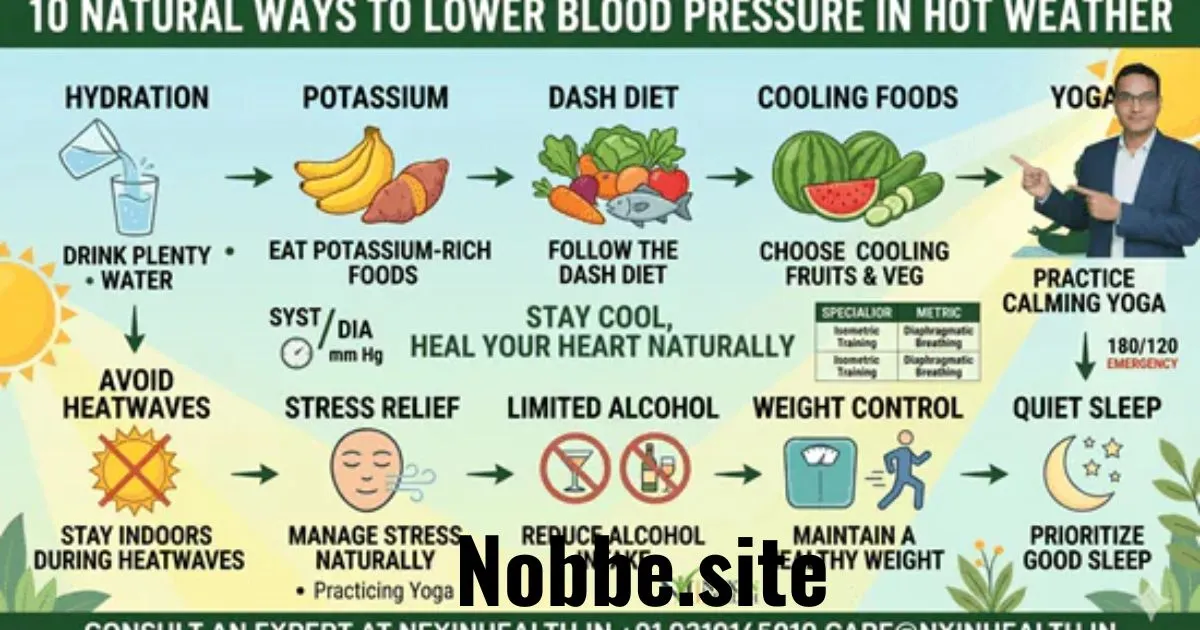
1. Adopt the DASH Diet
One of the most effective and clinically proven strategies to drop your numbers is the DASH diet, which stands for Dietary Approaches to Stop Hypertension.
This eating plan focuses heavily on whole foods. To follow the DASH framework at home:
-
Load up on veggies and fruits: Aim for 4 to 5 servings of each daily. They provide essential vitamins and antioxidants that protect your blood vessels.
-
Switch to whole grains: Choose brown rice, oats, and whole-wheat bread over refined white flour.
-
Incorporate lean proteins: Focus on poultry, fish, beans, and nuts while limiting red meat.
Studies consistently demonstrate that adhering to the DASH diet can lower systolic blood pressure by up to 11 mm Hg within just a few weeks.
2. Reduce Sodium Intake (Cut the Salt)
Excessive sodium forces your body to retain fluid, placing extra strain on your heart and blood vessels. The average modern diet contains far more salt than necessary.
To naturally decrease your sodium intake:
-
Read nutrition labels: Look closely at packaged foods, as processed meats, canned soups, and frozen meals are often hidden sodium bombs.
-
Cook from scratch: Preparing meals at home gives you total control over how much salt is added.
-
Use alternative seasonings: Enhance flavor using garlic, onions, lemon juice, fresh herbs, and spices instead of reaching for the salt shaker.
Limiting your daily sodium to 1,500 milligrams (mg) or less can noticeably lower your numbers.
3. Power Up with Potassium-Rich Foods
Potassium acts as a natural antidote to sodium. It helps your kidneys flush out excess salt through your urine and eases tension within the walls of your blood vessels.
Try adding these high-potassium foods to your daily routine:
-
Bananas and avocados
-
Leafy greens (spinach and kale)
-
Sweet potatoes
-
White beans and lentils
Important Note: If you have chronic kidney disease or take specific blood pressure medications, consult your doctor before significantly increasing your potassium intake.
4. Get Moving with Regular Physical Activity
Engaging in consistent physical exercise strengthens your heart muscle. A stronger heart pumps blood with less effort, which directly reduces the pressure on your arteries.
You do not need an intense gym routine to reap these benefits. Focus on hitting 150 minutes of moderate aerobic exercise per week (about 30 minutes a day, five days a week). Excellent home-based options include:
-
Brisk walking around your neighborhood
-
Cycling or using a stationary bike
-
Dancing or following low-impact home workout videos
5. Master Chronic Stress Management
When you experience stress, your body releases hormones like cortisol and adrenaline. These hormones cause your heart to beat faster and your blood vessels to constrict, resulting in a temporary spike in blood pressure. Over time, chronic stress keeps your system in a constant state of high alert.
To counteract this effect at home, dedicate 10 to 15 minutes a day to stress-relieving practices:
-
Deep breathing exercises: Diaphragmatic breathing quickly calms the nervous system.
-
Mindfulness meditation: Shifting your focus to the present moment lowers anxiety.
-
Yoga: Combines physical stretching with controlled breathing to reduce vascular resistance.
6. Prioritize Quality, Restful Sleep
Sleep is your body’s natural time to heal and repair. While you sleep, your blood pressure naturally drops. Consistently sleeping fewer than six hours a night can elevate your long-term hypertension risk.
Establish a healthy sleep routine by keeping your bedroom dark and quiet, avoiding screens for an hour before bed, and going to sleep at the same time every night.
7. Limit Alcohol and Quit Smoking
Both smoking and excessive alcohol consumption trigger immediate, sharp increases in blood pressure. The nicotine in cigarettes damages the delicate lining of your blood vessels, causing them to narrow permanently over time. Similarly, heavy drinking interferes with the body’s natural mechanisms for regulating vascular health.
Quitting smoking and limiting alcohol intake are among the most powerful and immediate favors you can do for your heart.
When to Consult a Healthcare Professional
While lifestyle modifications are highly effective, they should complement professional medical care rather than replace it entirely.
Always keep track of your daily readings using a reliable home blood pressure monitor. If your readings consistently exceed 130/80 mm Hg despite making these healthy changes, schedule a comprehensive checkup with your primary care provider to discuss a safe, personalized management plan.