The ketogenic diet—commonly known as the Keto diet—has taken the wellness world by storm. From fitness enthusiasts to people looking to reclaim their health, millions are turning to this high-fat, low-carbohydrate lifestyle. But what exactly is the Keto diet, and how does it work?
If you are a complete beginner looking to cut through the noise and start your journey safely, you are in the right place. This comprehensive guide covers everything you need to know to succeed on Keto.
What is the Keto Diet?
The Keto diet is a strict low-carb, high-fat, and moderate-protein diet. It is specifically designed to transition your body’s primary energy source from glucose (derived from carbohydrates) to ketones (derived from fat).
Standard diets rely heavily on carbs for energy. When you drastically reduce your carbohydrate intake, your body enters a metabolic state called ketosis.
What is Ketosis? Ketosis is a natural metabolic process where your body becomes incredibly efficient at burning fat for energy instead of carbohydrates. It also converts fat into ketones in the liver, which supplies vital energy directly to your brain.
To achieve ketosis, standard keto macronutrient ratios generally look like this:
-
70% to 75% Fats
-
20% Protein
-
5% to 10% Carbohydrates
How Does the Keto Diet Work?
Normally, your body burns carbohydrates for fuel. Carbs are converted into glucose, and insulin is produced to transport that glucose around your body. Because glucose is the easiest energy source to utilize, your body always chooses it first, storing unused dietary fat right in your tissues.
By drastically limiting carbs, you deplete your body’s glycogen stores. With no glucose available, your body is forced to turn to its alternative fuel source: stored fat. This shifts your system into a highly efficient fat-burning mode.
Benefits of the Ketogenic Diet
While most people start Keto for weight management, the physiological shift offers several distinct health advantages:
-
Effective Weight Management: By lowering insulin levels and burning stored fat, Keto is highly effective for reducing body fat without causing intense hunger spikes.
-
Appetite Suppression: High-fat and moderate-protein foods are incredibly satiating, naturally reducing cravings and preventing overeating.
-
Sustained Energy Levels: Unlike glucose, which causes energy spikes and crashes, ketones provide a steady, long-lasting fuel source for your muscles and brain.
-
Improved Mental Clarity: Many individuals report sharper focus and reduced “brain fog” once they adapt to utilizing ketones for brain health.
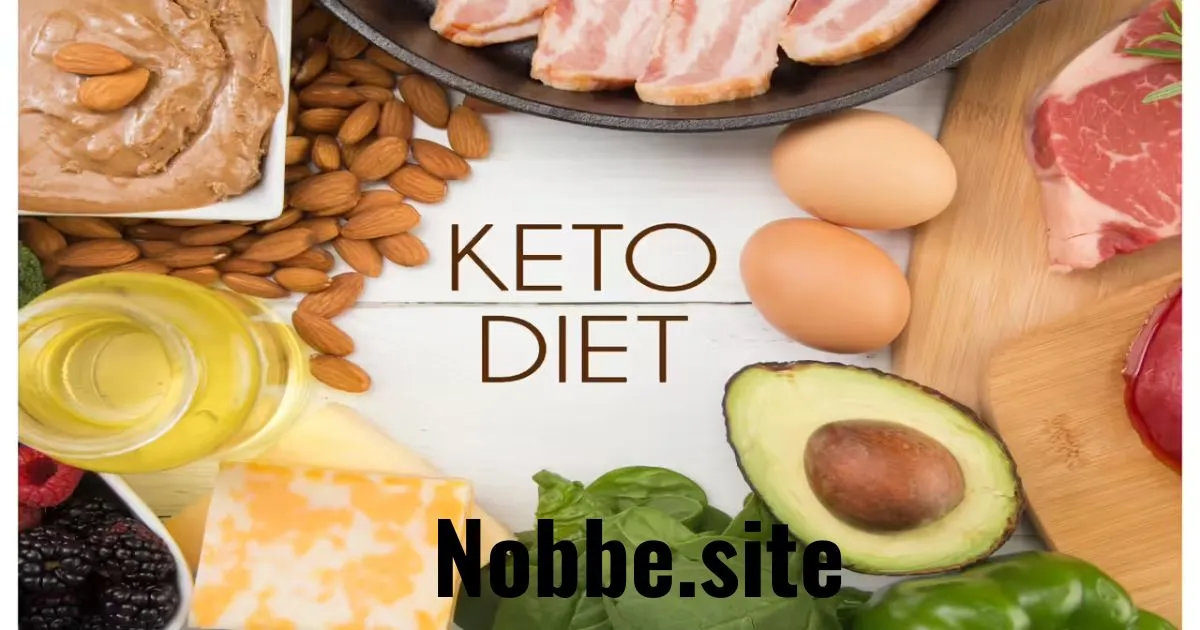
What to Eat on a Keto Diet (Your Ultimate Food List)
Succeeding on Keto relies on choosing the right whole foods. Your focus should be on minimizing net carbs (total carbohydrates minus fiber) while hitting your healthy fat targets.
Foods to Enjoy
-
Healthy Fats & Oils: Extra virgin olive oil, coconut oil, avocado oil, and grass-fed butter.
-
Meat and Poultry: Beef, chicken, turkey, lamb, and pork (preferring organic or grass-fed options when possible).
-
Fatty Fish: Salmon, mackerel, sardines, and albacore tuna, which are rich in heart-healthy Omega-3 fatty acids.
-
Eggs: Pasture-raised or whole eggs.
-
Low-Carb Vegetables: Leafy greens (spinach, kale), broccoli, cauliflower, zucchini, and asparagus.
-
Avocados: A perfect Keto superfood packed with healthy monounsaturated fats and potassium.
-
Full-Fat Dairy: Heavy cream, Greek yogurt, cream cheese, and hard cheeses like cheddar or parmesan.
Foods to Avoid
-
Sugary Foods: Soda, fruit juices, cakes, ice cream, candy, and sweet treats.
-
Grains and Starches: Wheat-based products, rice, pasta, cereal, and oats.
-
High-Carb Fruits: Bananas, apples, grapes, and oranges (small amounts of berries are okay in moderation).
-
Legumes: Beans, lentils, chickpeas, and peas.
-
Root Vegetables: Potatoes, sweet potatoes, carrots, and parsnips.
Understanding the “Keto Flu” and How to Avoid It
As your body shifts from burning sugar to burning fat, you may experience a temporary transition phase commonly called the Keto Flu.
Symptoms typically appear within the first two to seven days of starting the diet and can include:
-
Headaches
-
Fatigue or lethargy
-
Nausea or mild dizziness
-
Irritability
How to Fix It
The Keto flu is primarily caused by dehydration and electrolyte imbalances. When you cut carbs, your body flushes out water along with essential minerals like sodium, potassium, and magnesium.
To beat the Keto flu quickly, drink plenty of water and intentionally increase your electrolyte intake by salting your food or drinking bone broth.
A Simple 3-Day Keto Sample Meal Plan
Getting started doesn’t have to be complicated. Here is a straightforward, beginner-friendly meal plan to inspire your first few days:
Day 1
-
Breakfast: Scrambled eggs in butter with a side of avocado and spinach.
-
Lunch: A large grilled chicken salad with leafy greens, cucumbers, feta cheese, and olive oil dressing.
-
Dinner: Baked salmon served with roasted broccoli topped with melted butter.
Day 2
-
Breakfast: An omelet filled with mushrooms, cheddar cheese, and bell peppers.
-
Lunch: Tuna salad mixed with full-fat mayonnaise, served inside lettuce wraps.
-
Dinner: Bunless beef burgers topped with cheese, avocado, and a side of zucchini noodles.
Day 3
-
Breakfast: Full-fat Greek yogurt topped with a small handful of walnuts and a few raspberries.
-
Lunch: A classic Cobb salad with turkey, hard-boiled eggs, bacon, and blue cheese dressing.
-
Dinner: Stir-fried beef strips with cauliflower rice, bell peppers, and sesame oil.
Final Tips for Keto Beginners
Starting the Keto diet requires patience and consistency. Focus on eating high-quality, whole foods rather than relying on highly processed “Keto-labeled” snacks. Keep your hydration levels high, track your hidden carbs, and give your body a couple of weeks to adapt fully to this powerful, fat-burning metabolic state.