When we talk about healthy eating, we usually focus on calories, macros, and vitamins. But there is an invisible ecosystem inside you that cares less about the label on the package and more about how your food was prepared.
Your gut microbiome—the trillions of bacteria, fungi, and viruses living in your digestive tract—plays a massive role in everything from your immunity to your mental health. While what you eat is crucial, how your food is prepared matters just as much.
Switching from restaurant takeout and ultra-processed convenience foods to home-cooked meals triggers a profound shift in your internal ecosystem. Here is exactly how cooking at home changes your gut microbiome for the better.
1. You Naturally Starve Out “Bad” Bacteria
The single biggest threat to a diverse gut microbiome is the standard modern diet, which relies heavily on ultra-processed foods. These foods are packed with refined sugars, artificial sweeteners, emulsifiers, and unhealthy fats.
When you order takeout or eat pre-packaged meals, you consume hidden ingredients that harmful gut bacteria love. Artificial emulsifiers (used to extend shelf life) can wear down the protective mucous lining of your gut, leading to inflammation.
When you cook at home, you control the ingredients. By swapping processed additives for whole foods, you effectively starve out pro-inflammatory microbes and give your beneficial bacteria a chance to thrive.
2. Cooking Alters Food Structure (and Feed Your Microbes Better)
The act of cooking itself changes the chemical and physical structure of food, altering how your body digests it.
Consider resistant starch. When you cook foods like potatoes, rice, or pasta and then let them cool down, their chemical structure changes. They develop resistant starch, which bypasses digestion in your small intestine and travels straight to the large intestine.
Once there, it acts as a powerful prebiotic—fuel for your good gut bacteria. Your microbes ferment this starch, producing short-chain fatty acids (SCFAs) like butyrate, which fuel your gut lining and reduce systemic inflammation.
Additionally, cooking breaks down tough plant cell walls. This makes it easier for your body to absorb nutrients while ensuring that diverse fibers still reach the lower gut to feed a wider variety of bacterial strains.
3. Home Cooking Boosts Dietary Fiber and Microbial Diversity
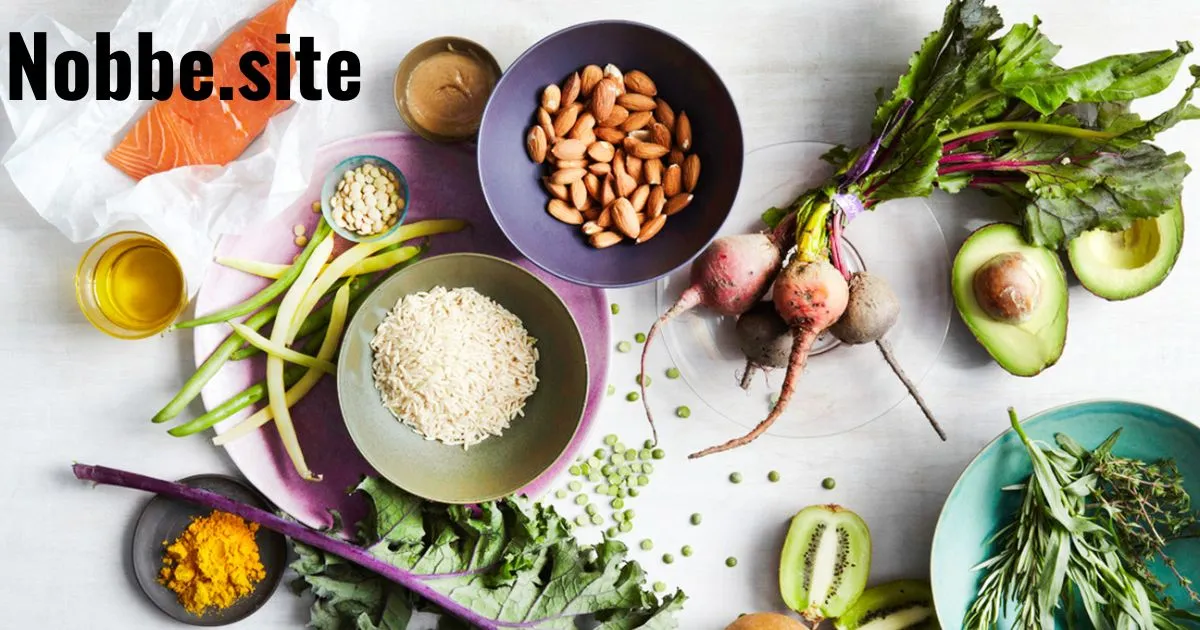
The golden rule of gut health is diversity. A diverse gut microbiome is a resilient one, and the best way to achieve it is by eating a wide variety of plants.
Restaurant meals often prioritize flavor over biodiversity, frequently relying on refined grains, heavy oils, and minimal vegetables. When you take control of your kitchen, you are much more likely to introduce a varied mix of ingredients:
-
Whole Grains: Oats, quinoa, and brown rice.
-
Legumes: Lentils, chickpeas, and black beans.
-
Diverse Vegetables: Garlic, onions, leeks, and asparagus (all incredibly rich in prebiotic inulin).
Cooking at home makes it easier to hit the recommended goal of eating 30 different plant-based foods per week. Each unique plant feeds a different strain of bacteria, rapidly expanding your gut’s microbial biodiversity.
4. You Avoid Gut-Damaging Advanced Glycation End-Products (AGEs)
To make food hyper-palatable and visually appealing, commercial kitchens often use high-heat cooking methods like deep-frying or intense charring. This creates compounds known as Advanced Glycation End-products (AGEs).
High levels of AGEs are linked to oxidative stress, tissue damage, and gut dysbiosis (an imbalance of gut bacteria).
At home, you have the freedom to use gentler, gut-friendly cooking methods. Steaming, poaching, stewing, and slow-cooking preserve the nutritional integrity of your food without generating high amounts of toxins that irritate the gut lining.
5. Lower Stress Levels Mean a Happier Gut Brain Axis
The connection between your brain and your digestive tract is a two-way street known as the gut-brain axis. High stress releases cortisol, which can negatively alter gut motility, increase gut permeability (“leaky gut”), and harm beneficial bacteria.
For many, the ritual of cooking at home serves as a mindful, creative outlet that lowers stress levels. Furthermore, home-cooked meals generally contain significantly less sodium and inflammatory trans fats than restaurant food, preventing the physical stress of systemic inflammation. A calmer mind directly translates to a more stable, balanced gut environment.
Summary: A Blueprint for a Gut-Friendly Kitchen
If you want to maximize the gut-healing benefits of your home cooking, focus on these three simple strategies:
-
Load up on Prebiotics: Base your meals around onions, garlic, bananas, oats, and flaxseeds to feed existing good bacteria.
-
Incorporate Fermented Foods: Pair your home-cooked dishes with unpasteurized yogurt, kefir, sauerkraut, or kimchi to actively introduce live, beneficial cultures.
-
Embrace the Cooled-Down Method: Cook your batch of rice or potatoes a day early, let them cool in the fridge to maximize resistant starch, and gently reheat them before serving.
The Bottom Line
Your gut microbiome changes rapidly—often within just 24 to 48 hours of a dietary shift. By choosing to cook at home, you aren’t just saving money or managing your weight; you are actively cultivating a healthier, more diverse living shield inside your digestive system.