For decades, fat was the ultimate villain in the nutrition world. Grocery store shelves were lined with “low-fat” and “fat-free” products, and the prevailing wisdom was simple: eat fat, get fat.
But science has moved on, and it turns out that old advice was fundamentally wrong. Your body doesn’t just tolerate fat; it vitaly needs it to function. The key is understanding that not all fats are created equal.
Let’s break down the science of healthy fats, why they are essential for your health, and how to easily add them to your daily diet.
What Exactly Are “Healthy” Fats?
Fats are one of the three major macronutrients your body needs to survive (alongside carbohydrates and protein). At a chemical level, fats are divided into different categories based on their structure.
To keep it simple, we can divide them into the “good guys” and the “bad guys.”
1. Monounsaturated Fats (The Good)
These are liquid at room temperature but start to solidify when chilled. They are incredibly heart-healthy and form the backbone of the famous Mediterranean diet.
-
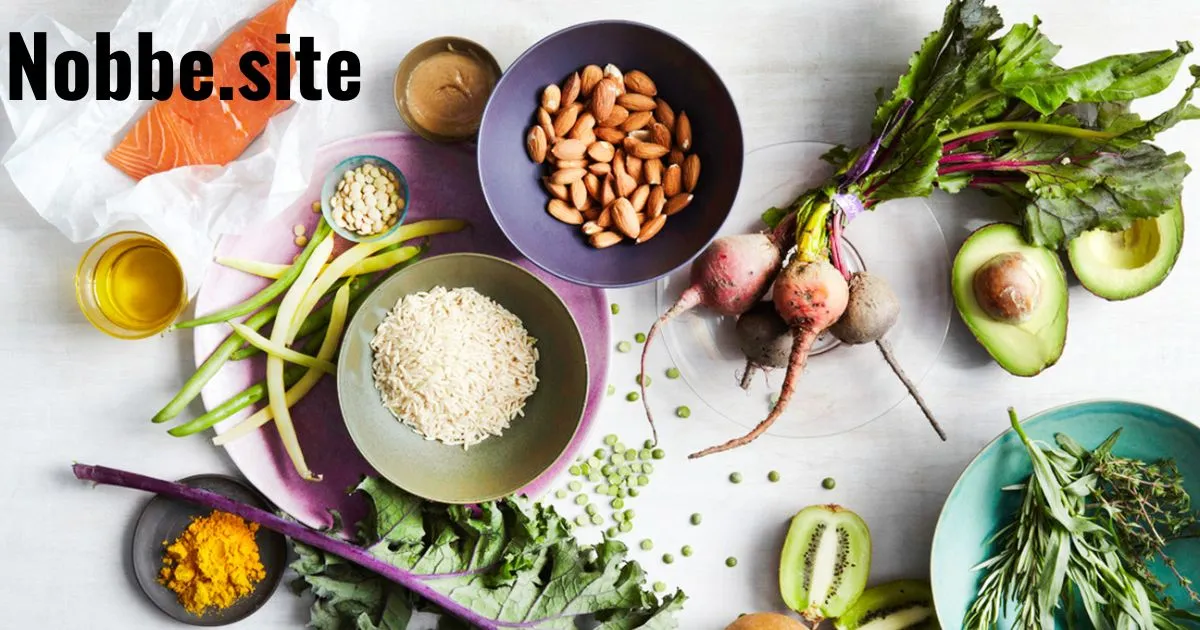
Best sources: Olive oil, avocados, almonds, and cashews.
2. Polyunsaturated Fats (The Essential)
Your body cannot make these fats on its own, meaning you must get them from your food. This category includes the famous Omega-3 and Omega-6 fatty acids, which keep your brain sharp and your heart protected.
-
Best sources: Fatty fish (salmon, mackerel), walnuts, flaxseeds, and chia seeds.
3. Saturated and Trans Fats (The Ones to Limit/Avoid)
Saturated fats (found in butter and red meat) are okay in moderation, but trans fats (found in fried foods and processed snacks) are genuinely harmful. Artificial trans fats raise bad cholesterol and lower good cholesterol, increasing heart disease risk.
5 Powerful Reasons Your Body Needs Healthy Fats
If you are still a little “fat-phobic,” here is what happens behind the scenes when you eat healthy fats:
1. Brain Power and Mental Clarity
Did you know that your brain is made up of nearly 60% fat? The myelin sheath—the protective coating around your brain cells that allows them to talk to each other—relies heavily on dietary fats. Eating enough Omega-3s is directly linked to better memory, sharper focus, and a lower risk of cognitive decline.
2. Vitamin Absorption
You could eat a massive bowl of kale and spinach, but without fat, your body won’t absorb most of its nutrients. Vitamins A, D, E, and K are fat-soluble. They need dietary fat to be dissolved and absorbed through your gut. Always drizzle some olive oil on your salad to unlock those vitamins!
3. Hormone Production
Fats are the literal building blocks of your hormones. They regulate everything from your thyroid function to your stress levels (cortisol) and reproductive health (testosterone and estrogen). A diet too low in fat can lead to hormonal imbalances, fatigue, and mood swings.
4. Crushing Cravings and Boosting Satiety
Fats take longer to digest than carbohydrates. When you include a healthy source of fat in your meal, it slows down digestion and prevents spikes in your blood sugar. This keeps you feeling full and satisfied for hours, naturally curbing the urge to mindlessly snack.
5. Cell Health and Skin Glow
Every single cell in your body is surrounded by a membrane made of fat. This membrane keeps the cell strong, hydrated, and protected. When you eat enough healthy fats, it shows on the outside, too—giving you hydrated, glowing skin and strong hair.
How to Add Healthy Fats to Your Daily Meals
You don’t need to overcomplicate your diet to get the benefits. Small, intentional swaps make a massive difference.
| Instead of This… | Try This Instead! |
| Creamy, processed salad dressings | A drizzle of Extra Virgin Olive Oil and lemon juice |
| Croutons or potato chips for crunch | A handful of toasted walnuts, pumpkin seeds, or almonds |
| Sugary morning pastries | Greek yogurt topped with chia seeds or a slice of avocado toast |
| Cooking with vegetable or corn oil | Cooking with avocado oil or a small amount of grass-fed butter |
A Quick Tip on Portion Control: While healthy fats are incredibly good for you, they are “calorie-dense” (containing 9 calories per gram, compared to 4 calories for carbs and protein). A little goes a long way. Stick to a thumb-sized portion of oils or nuts per meal to get all the benefits without overloading on calories.
The Bottom Line
Fat is not the enemy. Processed sugars, refined carbs, and artificial trans fats are the real culprits behind poor health. By embracing whole-food sources of monounsaturated and polyunsaturated fats, you feed your brain, protect your heart, and keep your energy levels steady all day long.
The next time you prepare a meal, don’t fear the fat—just choose the right ones!