High cholesterol is one of the most common health concerns worldwide, often acting as a silent precursor to heart disease and stroke. When doctors talk about cholesterol, they generally focus on two types: High-Density Lipoprotein (HDL), the “good” cholesterol that cleans your arteries, and Low-Density Lipoprotein (LDL), the “bad” cholesterol that builds up as plaque.
While medication is necessary for some, making smart dietary shifts is one of the most powerful and scientifically proven ways to manage your numbers. By incorporating specific nutrient-dense foods into your daily routine, you can actively sweep away LDL from your bloodstream.
Here are the top evidence-based foods that naturally lower bad cholesterol.
1. Oats and Whole Grains (The Soluble Fiber Champions)
Starting your day with a bowl of oatmeal or oat bran is one of the easiest ways to target high LDL levels. Oats are packed with beta-glucan, a type of highly soluble fiber.
When you consume soluble fiber, it turns into a gel-like substance in your digestive tract. This gel binds to cholesterol-rich bile acids in your intestines, dragging them out of your body before they can be reabsorbed into your bloodstream. Switching from refined white bread to whole-grain alternatives like barley, quinoa, and brown rice provides a similar heart-healthy defense.
2. Fatty Fish and Omega-3 Fatty Acids
While most strategies focus on cutting out bad fats, your body actively needs healthy fats to function. Fatty fish—such as salmon, mackerel, sardines, and albacore tuna—are rich in Omega-3 fatty acids.
Omega-3s don’t directly lower LDL cholesterol, but they lower triglycerides (a type of fat in the blood) and boost your “good” HDL cholesterol. By improving your overall cholesterol ratio and reducing inflammation, eating fish two to three times a week significantly lowers your risk of blood clots and sudden cardiac events.
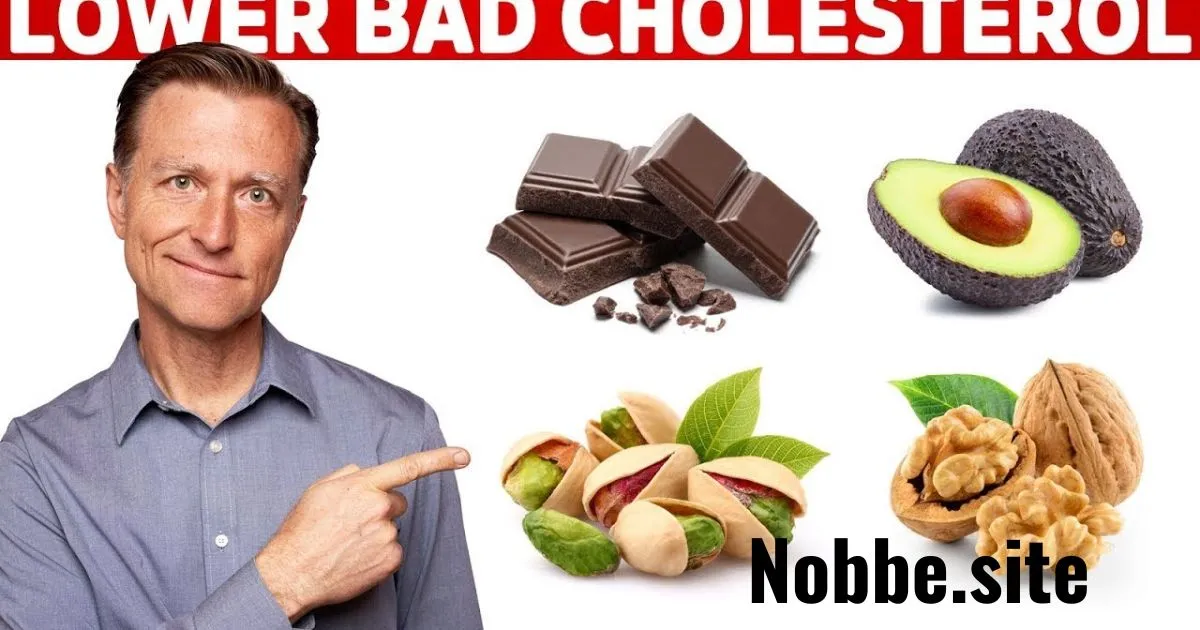
3. Nuts, Especially Almonds and Walnuts
Nuts are a nutritional powerhouse for heart health. Walnuts are uniquely rich in plant-based omega-3 fatty acids, while almonds and peanuts are packed with vitamin E, magnesium, and potassium.
Numerous clinical trials show that eating a handful (about 1.5 ounces) of nuts daily can lower LDL cholesterol by roughly 5%. They contain plant sterols and monounsaturated fats that protect the cardiovascular system. Just keep an eye on portion sizes, as nuts are incredibly calorie-dense.
4. Legumes (Beans, Lentils, and Chickpeas)
If you are looking for an affordable, versatile, and highly effective food to drop your LDL numbers, look no further than legumes. Beans, lentils, peas, and chickpeas are incredibly rich in soluble fiber and take a long time for the body to digest.
Replacing refined carbohydrates or red meat with lentils or black beans helps lower cholesterol in two ways: it directly removes LDL via fiber binding, and it reduces your intake of saturated fats. As a bonus, their low glycemic index keeps your blood sugar stable and keeps you full longer.
5. Avocados and Extra Virgin Olive Oil
Both avocados and extra virgin olive oil are foundational elements of the Mediterranean diet, widely considered the gold standard for cardiovascular health.
-
Avocados: They are a potent source of monounsaturated fatty acids (MUFAs). Research suggests that adding an avocado a day to a heart-healthy diet can help overweight individuals lower their LDL levels.
-
Olive Oil: Replacing saturated fats (like butter or lard) with extra virgin olive oil delivers a powerful dose of antioxidants and MUFAs. Aim for two tablespoons a day to reap the maximum vascular benefits.
6. Berries and Dark Leafy Greens
Vibrant fruits and vegetables do more than just look good on your plate; they shield your arteries from damage.
-
Berries: Strawberries, blueberries, and blackberries are loaded with soluble fiber and polyphenols—antioxidants that help prevent LDL cholesterol from oxidizing. (Oxidized LDL is dangerous because it is much more likely to stick to your artery walls).
-
Dark Leafy Greens: Kale, spinach, and Swiss chard contain lutein and other carotenoids, which have been linked to a lower risk of heart disease. Greens bind to bile acids, prompting the liver to consume existing LDL cholesterol to create more bile.
💡 Quick Tip for Maximum Impact
Eating these foods is only half the battle. To see your LDL numbers drop significantly, try to simultaneously limit your intake of saturated fats (found in fatty meats, butter, and cheese) and completely eliminate trans fats (found in many store-bought baked goods and fried foods).
The Bottom Line
Lowering your bad cholesterol naturally doesn’t require a restrictive, bland diet. By shifting your focus toward adding delicious, whole foods like oats, rich fatty fish, crisp nuts, and vibrant berries, you work with your body to clear out arterial plaque. Pair these dietary upgrades with regular physical activity, and you will build a sustainable, long-term shield for your heart.