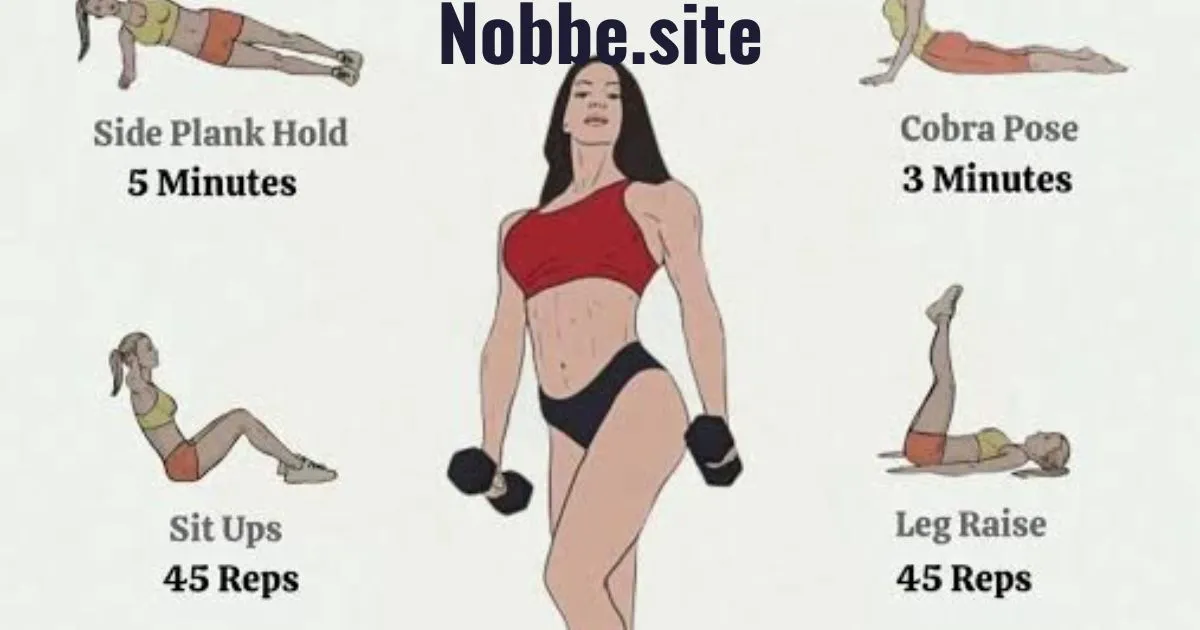
You hit the gym every single morning, sweat through intense cardio sessions, or lift weights consistently. Yet, when you step on the scale, the numbers refuse to budge. It is one of the most frustrating experiences in any fitness journey: why are you not losing weight despite exercising daily?
If this sounds familiar, you are not alone. Millions of fitness enthusiasts experience this exact plateau. While exercise is vital for heart health, mental clarity, and muscle strength, it is only one piece of the weight loss puzzle.
To help you break through this wall, let’s dive into the hidden reasons why your daily workouts aren’t translating into weight loss and how you can fix it.
1. The Reality of Total Daily Energy Expenditure (TDEE)
The most common misconception is that a 45-minute workout dominates your daily calorie burn. In reality, structured exercise only accounts for roughly 5% to 10% of your Total Daily Energy Expenditure (TDEE).
As shown in the breakdown above, the vast majority of your energy is burned by your Basal Metabolic Rate (BMR)—the energy required to keep you alive—and NEAT (Non-Exercise Activity Thermogenesis). If you are sedentary for the other 23 hours of the day, a single workout cannot fully compensate for it.
2. You Are Overestimating Calories Burned (and Underestimating Intake)
Fitness trackers and cardio machines are notorious for overestimating how many calories you burn during a workout, sometimes by up to 20% to 30%. If your smartwatch tells you that you burned 600 calories, you might actually have only burned 400.
This leads to a psychological trap known as compensatory eating. Subconsciously, you might think, “I ran today, so I can afford this extra slice of pizza or this protein smoothie.” Unfortunately, a single high-calorie drink or snack can instantly wipe out the entire caloric deficit created by your workout.
SEO Key Takeaway: Weight loss requires a caloric deficit—burning more calories than you consume. If your nutritional intake increases alongside your exercise volume, your weight will remain static.
3. The “Couch Potato” Effect: Decreased NEAT
When you start working out every day, your body gets tired. To conserve energy, your brain subtly forces you to move less during the rest of the day. This is a drop in NEAT (Non-Exercise Activity Thermogenesis).
Without realizing it, you might:
-
Take the elevator instead of the stairs.
-
Sit on the couch longer instead of pacing or doing household chores.
-
Fidget less.
If your daily exercise burns 300 calories, but your decreased movement throughout the rest of the day reduces your NEAT by 300 calories, your net energy balance remains exactly the same.
4. You Are Gaining Muscle While Losing Fat
If the scale isn’t moving, it doesn’t mean your body isn’t changing. If you have introduced weight training into your daily routine, you are likely undergoing body recomposition—building lean muscle mass while burning body fat.
Muscle tissue is much denser than fat tissue. A pound of muscle occupies significantly less physical space than a pound of fat. Therefore, your clothing might fit looser, your waistline might shrink, and you may look leaner in the mirror, even if the scale stays completely identical.
5. Chronic Stress and Lack of Sleep
Daily intense exercise without proper recovery can elevate your body’s levels of cortisol, the primary stress hormone. When cortisol levels remain chronically high, it signals the body to hold onto fat reserves, particularly stubborn visceral fat around the abdomen.
Furthermore, if your daily workout routine is cutting into your sleep time, you are sabotaging your metabolic health. Sleep deprivation disrupts two critical appetite-regulating hormones:
-
Ghrelin: The hormone that signals hunger increases.
-
Leptin: The hormone that signals fullness decreases.
As a result, a lack of sleep makes you crave high-carb, sugar-dense foods, making dietary discipline significantly harder.
How to Break the Plateau: A Practical Action Plan
To reverse this trend and finally start seeing results on the scale, adjust your approach using these proven strategies:
-
Track Your Nutrition Accurately: Use a food scale and a tracking app for just one week. Log every cooking oil, sauce, liquid calorie, and snack. The results might surprise you.
-
Focus on Protein Intake: Protein has a high Thermic Effect of Food (TEF), meaning your body burns more energy digesting it compared to fats or carbs. It also keeps you full longer, preventing post-workout overeating.
-
Keep Your NEAT High: Monitor your daily step count. Aim to maintain a steady step goal (e.g., 8,000 to 10,000 steps) separate from your dedicated gym time to ensure your non-exercise movement stays high.
-
Prioritize Recovery: Allow your muscles to heal. Trade one or two high-intensity days for active recovery like walking or yoga, and aim for 7 to 8 hours of quality sleep per night.
The Bottom Line
Exercising daily is fantastic for your health, but it cannot outrun an unmanaged diet or a sedentary lifestyle outside the gym. By shifting your focus toward nutritional precision, keeping your daily movement high, and prioritizing rest, you will unlock the sustainable weight loss results your hard work deserves.