Despite being the fourth most abundant mineral in the human body, magnesium is one of the most common nutrient deficiencies today. Estimates suggest that nearly 50% of the population does not get enough of this vital mineral. From regulating your nervous system to keeping your heart beating in a healthy rhythm, magnesium is the ultimate multi-tasker.
If you have been feeling unusually fatigued, dealing with muscle cramps, or struggling to get a good night’s sleep, a lack of magnesium might be the hidden culprit. Here is a deep dive into why magnesium is so crucial for your health and exactly how you can reach your daily targets.
The Silent Powerhouse: Why Magnesium Matters
Magnesium is involved in more than 300 biochemical reactions in the body. Without it, your cellular machinery essentially grinds to a halt. Here are the primary reasons your body relies so heavily on this mineral:
1. Energy Production and Muscle Function
Every time you move a muscle or think a thought, your body uses energy in the form of Adenosine Triphosphate (ATP). However, ATP cannot activate without binding to a magnesium ion. Furthermore, magnesium acts as a natural calcium blocker to help muscles relax. When you lack magnesium, calcium overstimulates muscle cells, leading to painful cramps, spasms, and twitches.
2. Nervous System Regulation and Stress Relief
Magnesium plays a vital role in regulating neurotransmitters, which send messages throughout your brain and nervous system. It binds to gamma-aminobutyric acid (GABA) receptors—the neurotransmitter responsible for calming down nerve activity. By supporting GABA, magnesium helps manage your body’s stress response, reducing anxiety and promoting a sense of calm.
3. Better Sleep Quality
If you struggle with insomnia, magnesium might be the missing piece of the puzzle. By regulating GABA and relaxing muscle fibers, it prepares your body and mind for deep, restorative rest. It also helps regulate melatonin, the hormone that controls your sleep-wake cycles.
4. Heart Health and Blood Pressure Management
Your heart is a massive muscle that requires a constant supply of magnesium to pump efficiently. Magnesium helps blood vessels relax, which naturally lowers blood pressure and reduces the workload on your cardiovascular system.
Signs of Magnesium Deficiency
Because magnesium is stored inside your cells and bones, a standard blood test does not always reflect your true nutritional status. Instead, look out for these common physical symptoms:
-
Muscle Twitches and Cramps: Especially in the calves or feet at night.
-
Chronic Fatigue and Weakness: Due to the body’s inability to produce optimal ATP.
-
Mental Health Struggles: Including apathy, brain fog, anxiety, and increased stress.
-
High Blood Pressure: Or general cardiovascular stiffness.
-
Irregular Heartbeat: Also known as arrhythmias.
How Much Magnesium Do You Need?
The Recommended Dietary Allowance (RDA) for magnesium varies slightly based on age and biological sex. For optimal health, the general guidelines are:
-
Adult Men: 400–420 mg per day
-
Adult Women: 310–320 mg per day (more during pregnancy)
Best Dietary Sources of Magnesium
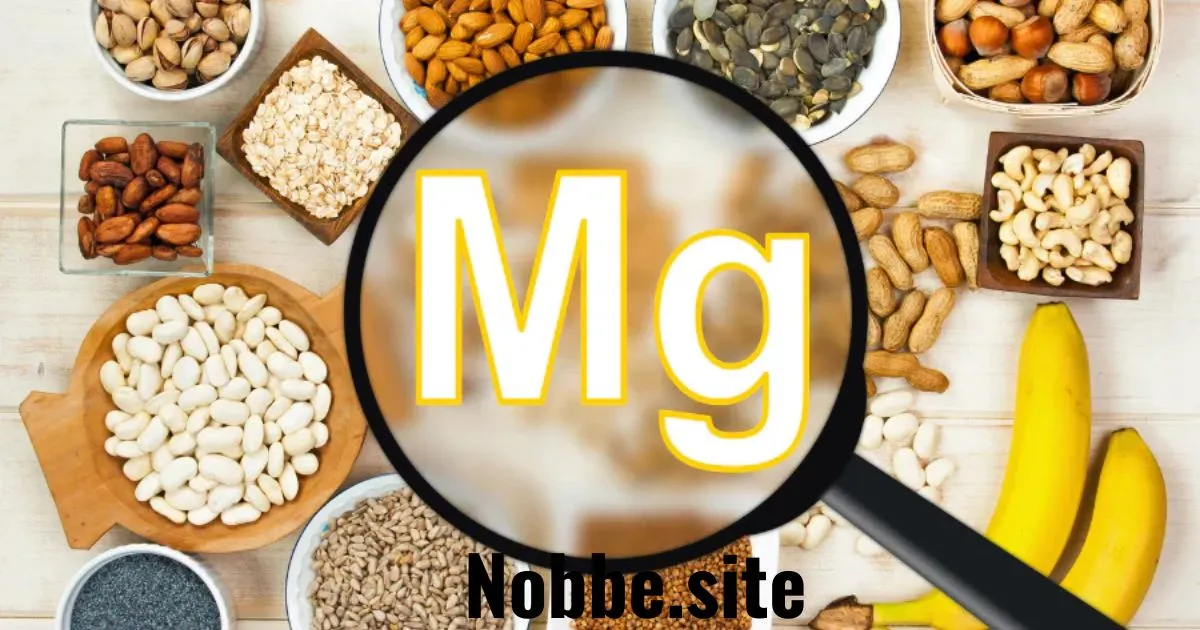
The most sustainable and effective way to hit your daily requirement is through a whole-foods diet. Focus on incorporating these nutrient-dense foods into your daily meals:
| Food Category | Top Sources | Average Magnesium Content |
| Leafy Greens | Cooked Spinach (1 cup) | ~150 mg |
| Nuts & Seeds | Pumpkin Seeds (1 oz / 28g) | ~150 mg |
| Almonds (1 oz / 28g) | ~80 mg | |
| Legumes | Black Beans (1 cup, cooked) | ~120 mg |
| Whole Grains | Cooked Quinoa (1 cup) | ~118 mg |
| Dark Chocolate | 70-85% Dark Chocolate (1 oz) | ~64 mg |
| Fruit | Medium Avocado | ~58 mg |
Choosing the Right Magnesium Supplement
If you struggle to get enough magnesium from food alone, supplementation is a highly effective secondary option. However, not all supplements are created equal. The form of magnesium determines how well your body absorbs it.
-
Magnesium Glycinate: Bound to the amino acid glycine. It is highly bioavailable (easy for the body to absorb) and is the least likely to cause digestive upset. Best for anxiety, stress, and sleep.
-
Magnesium Citrate: Bound with citric acid. It is well-absorbed but has a mild laxative effect. Best for occasional constipation and general deficit correction.
-
Magnesium Malate: Bound with malic acid. It is fantastic for energy production and is often recommended for people suffering from chronic fatigue or muscle soreness.
-
Magnesium Oxide: Commonly found in cheap drugstore vitamins. It has a very low absorption rate and is mostly used for short-term heartburn or indigestion relief rather than correcting a systemic deficiency.
A Quick Warning: Always consult a healthcare provider before starting a high-dose supplement, especially if you have underlying kidney conditions or are taking prescription medications.
Summary: Prioritizing Your Mineral Intake
Optimizing your magnesium levels is one of the simplest, most impactful steps you can take for your overall well-being. By focusing on magnesium-rich whole foods like seeds, greens, and whole grains—and pairing them with a highly bioavailable supplement if needed—you can unlock better energy, deeper sleep, and improved physical performance.