What Is Organic Compost and How Is It Made?
Organic compost is a natural, nutrient-rich material created by decomposing plant and food waste. It is an essential component of organic gardening and farming because it enriches the soil, improves plant growth, and reduces the need for chemical fertilizers.
In simple terms:
Organic compost is natural fertilizer made from decomposed organic materials that nourish plants and soil naturally.
1. What Makes Compost Organic?
Organic compost is free from synthetic chemicals, pesticides, and artificial additives. It relies entirely on natural decomposition processes.
Key Features:
- Made from plant matter, food scraps, leaves, and manure
- Contains beneficial microorganisms that improve soil health
- Enhances soil structure, water retention, and fertility
2. Benefits of Organic Compost
Using organic compost in your garden provides multiple advantages:
- Nutrient-rich soil: Supplies essential nitrogen, phosphorus, and potassium
- Improved soil structure: Encourages healthy root growth and aeration
- Increased water retention: Reduces the need for frequent watering
- Reduced chemical dependence: Minimizes the need for synthetic fertilizers
- Sustainable practice: Recycles kitchen and garden waste, reducing landfill use
3. Ingredients for Organic Compost
Organic compost can be made from a variety of natural materials:
- Green materials: Vegetable scraps, fruit peels, coffee grounds, grass clippings
- Brown materials: Dry leaves, cardboard, paper, wood chips
- Nitrogen-rich materials: Manure from herbivores like cows, rabbits, and chickens
Tip: Maintain a balance of green (nitrogen-rich) and brown (carbon-rich) materials for optimal composting.
4. How Organic Compost Is Made
Follow these steps to create your own organic compost at home:
Step 1: Choose a Composting Method
- Pile composting: Simply stack materials in a heap
- Bin composting: Use a container or compost bin for more control
- Vermicomposting: Use worms to speed up decomposition
Step 2: Layer the Materials
- Alternate layers of green and brown materials
- Ensure adequate airflow by mixing materials occasionally
Step 3: Maintain Moisture and Aeration
- Keep the pile damp, like a wrung-out sponge
- Turn the pile every 1–2 weeks to improve decomposition
Step 4: Monitor Temperature and Decomposition
- A healthy compost pile generates heat (130–160°F / 55–70°C)
- Decomposition typically takes 2–6 months, depending on materials and conditions
Step 5: Harvest Finished Compost
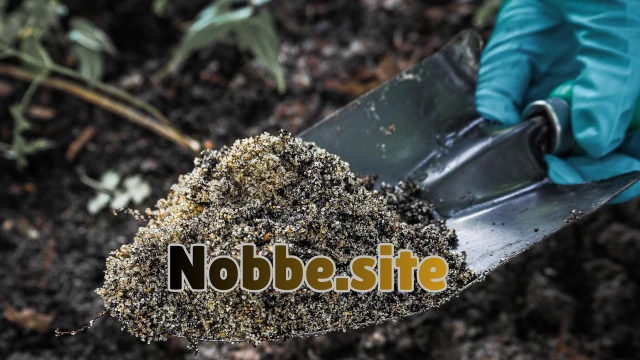
- Compost is ready when it is dark, crumbly, and has an earthy smell
- Use it to enrich garden soil, potted plants, or lawns
5. Tips for Successful Organic Composting
- Avoid adding meat, dairy, or oily foods to prevent pests
- Chop large materials into smaller pieces to speed up decomposition
- Use a compost thermometer to monitor progress
- Keep the compost pile covered in heavy rain to prevent waterlogging
6. Summary
Organic compost is a natural fertilizer that enriches soil and supports healthy plant growth. Its benefits include:
- Providing essential nutrients for plants
- Improving soil structure and water retention
- Reducing the need for chemical fertilizers
- Recycling kitchen and garden waste sustainably
In short, organic compost transforms everyday waste into a powerful, natural soil booster for thriving plants.
FAQs About Organic Compost
1. Can I make compost indoors?
Yes. Use a compost bin or vermicomposting setup with worms to decompose kitchen scraps indoors.
2. How long does it take to make organic compost?
Typically, 2–6 months depending on materials, temperature, and aeration.
3. Can I compost meat or dairy?
No. Meat, dairy, and oily foods can attract pests and slow down decomposition.
4. How do I know when compost is ready?
Finished compost is dark, crumbly, earthy-smelling, and free from recognizable food or plant matter.
5. Can organic compost improve garden yield?
Yes. It enriches soil with nutrients, improves water retention, and supports healthy plant growth, boosting overall yield.