Dry and itchy eyes are incredibly frustrating common ailments. Whether you spend hours staring at digital screens, suffer from seasonal allergies, or live in a dry climate, the constant irritation can disrupt your daily life. While over-the-counter artificial tears offer temporary relief, they often contain preservatives that can irritate sensitive eyes over time.
Fortunately, you can soothe your eyes using simple, evidence-based natural home remedies. Here is a comprehensive guide to the best natural treatments to restore moisture and eliminate that persistent itch.
What Causes Dry and Itchy Eyes?
Before diving into the remedies, it helps to understand why your eyes are acting up. Our eyes rely on a continuous film of tears to stay lubricated, clear, and healthy. Dry eyes occur when your eyes do not produce enough tears or when the tears evaporate too quickly. This lack of moisture often leads to inflammation, which triggers a relentless itchy sensation.
Common culprits include:
-
Prolonged Screen Time: We blink 50% less when looking at phones or computers, causing rapid tear evaporation.
-
Environmental Factors: Wind, dry air, air conditioning, and smoke strip away eye moisture.
-
Allergies: Pollen, pet dander, and dust mites trigger histamine release, causing intense itching.
Top Natural Home Remedies for Relief
If you want to skip the chemicals and heal your eyes naturally, try these highly effective, at-home treatments.
1. The Warm Compress Method
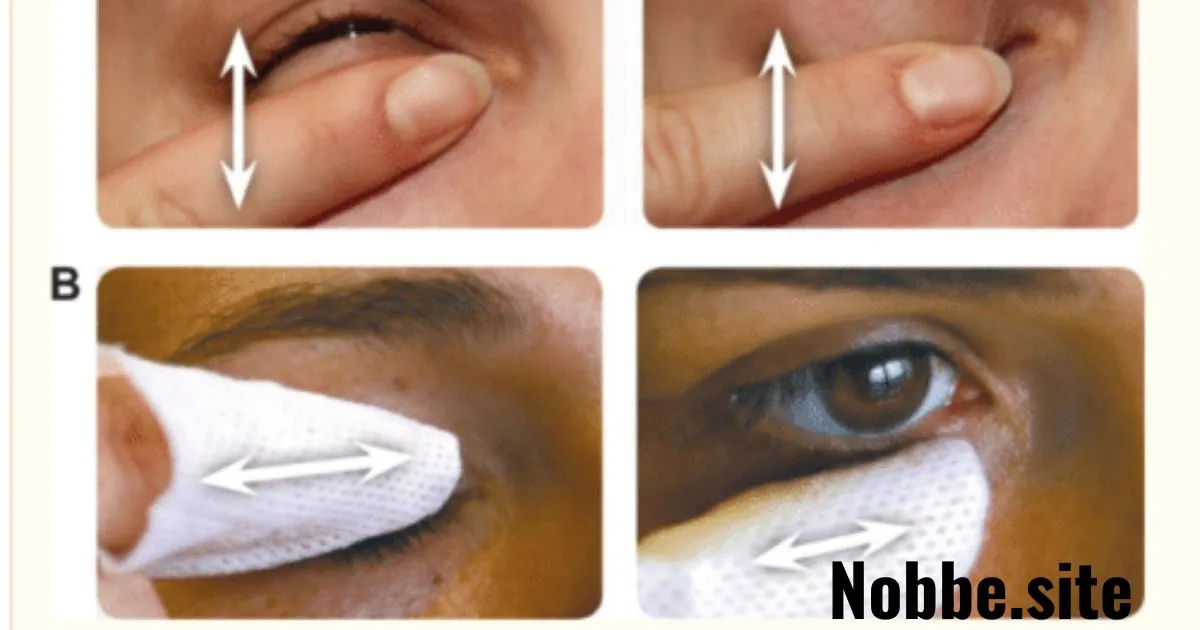
One of the most effective ways to treat dry eyes is to stimulate the meibomian glands—the tiny glands along the edge of your eyelids that produce the oil layer of your tears. When this oil is missing, tears evaporate instantly.
-
How to do it: Soak a clean washcloth in warm (not hot) water. Wring it out and place it over your closed eyes for 5 to 10 minutes. The gentle heat liquefies clogged oils, allowing them to flow smoothly and lock in moisture.
2. Cold Compresses for Itch Relief
While warm compresses are ideal for dryness, cold compresses are the ultimate remedy for itchy, allergic eyes. Cold temperatures constrict the blood vessels in the eye area, which dulls the itch signal and reduces swelling.
-
How to do it: Wrap a few ice cubes or a chilled gel pack in a clean cloth. Rest it over your closed eyelids for 5 to 10 minutes. You will feel almost instant relief from allergic itching.
3. Lubricate from Within with Omega-3 Fatty Acids
Healthy tears require a proper balance of essential fatty acids. If your diet lacks these nutrients, your tear quality suffers. Increasing your intake of Omega-3 fatty acids reduces systemic inflammation and improves the oil quality in your tears.
-
What to add to your diet: Incorporate foods rich in Omega-3s, such as salmon, flaxseeds, chia seeds, and walnuts. Alternatively, consider a high-quality fish oil or flaxseed oil supplement daily.
4. Chamomile and Green Tea Bags
Tea bags are a double-duty natural remedy. Green tea is packed with anti-inflammatory antioxidants, while chamomile possesses natural soothing and anti-allergy properties that calm irritated tissues.
-
How to do it: Steep two tea bags in hot water for a few minutes, remove them, and let them cool completely in the refrigerator. Place the chilled tea bags over your closed eyes for 10 to 15 minutes.
5. Practice the 20-20-20 Rule
If your dry eyes are caused by your computer or smartphone, the best remedy is a behavioral shift. Give your eyes regular breaks to reset your natural blinking reflex.
-
How it works: Every 20 minutes, take a break and look at something at least 20 feet away for at least 20 seconds. Use this time to intentionally blink a few times to re-establish your tear film.
Environmental Adjustments to Prevent Dryness
Remedies work best when paired with preventative changes in your environment. To stop your eyes from drying out in the first place, implement these quick adjustments:
-
Use a Humidifier: Adding moisture back into your indoor air—especially during winter or in air-conditioned spaces—keeps your eyes from drying out overnight.
-
Stay Hydrated: Your body cannot produce sufficient tears if you are dehydrated. Aim to drink at least 8 to 10 glasses of water daily.
-
Wear Wrap-Around Sunglasses: When heading outdoors, wear glasses that shield your eyes from drying winds and airborne allergens like pollen.
When to See a Doctor
While these natural remedies work wonders for mild to moderate irritation, you should consult an eye care professional if your symptoms persist. Seek medical attention immediately if you experience severe eye pain, vision changes, extreme redness, or thick discharge, as these can be signs of an underlying eye infection.