In our fast-paced modern world, sleep is often the first thing we sacrifice to keep up with work, social lives, and digital distractions. Many view sleep as a luxury rather than a biological necessity. However, a growing body of scientific research proves that skimping on rest does far more than just cause morning grogginess.
Chronic sleep deprivation severely impacts your body’s internal systems, acting as a quiet catalyst for long-term health decline. Here is a deep dive into how a continuous lack of sleep directly increases the risk of developing life-altering chronic illnesses.
The Biological Link Between Sleep and Your Health
When you fall asleep, your brain and body do not simply shut down; they enter an active state of recovery, repair, and regulation. During deep sleep cycles, your body balances hormone levels, lowers your heart rate, and repairs cellular damage.
When you consistently get less than the recommended 7 to 9 hours of sleep per night, this vital recovery window is cut short. Over time, the accumulated damage disrupts your immune system and spikes systemic inflammation—the underlying root cause of most chronic medical conditions.
1. Cardiovascular Disease and High Blood Pressure
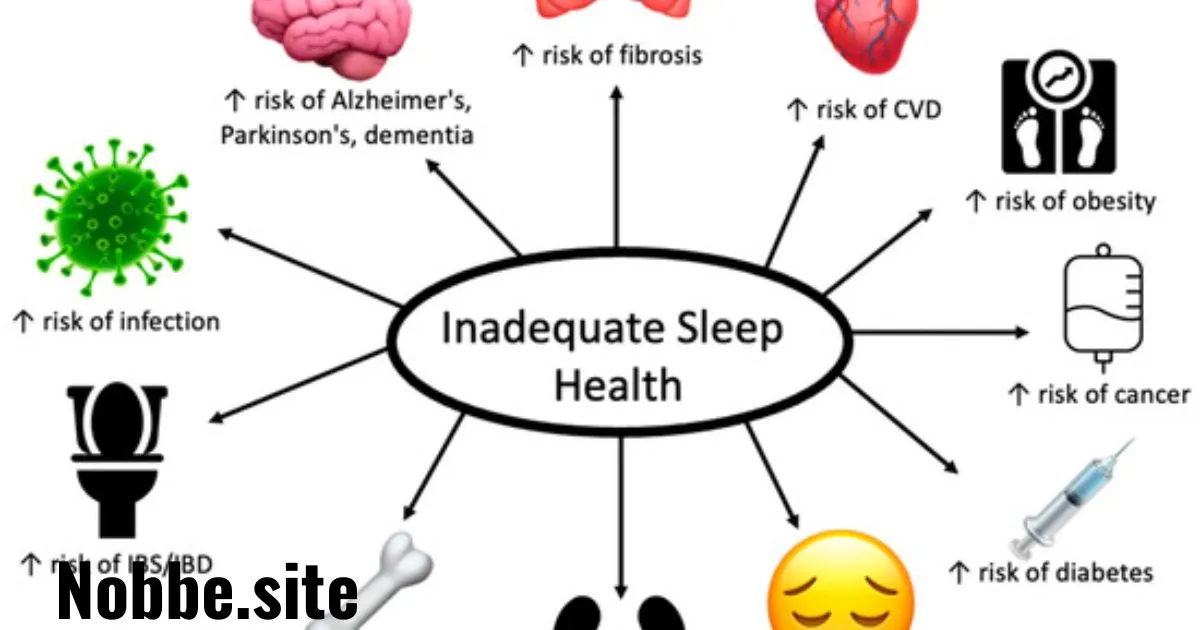
Your cardiovascular system relies heavily on sleep to maintain healthy function. During normal, healthy sleep, your blood pressure naturally drops by about 10% to 20%—a phenomenon medical professionals call “nocturnal dipping.”
If you sleep poorly or wake up frequently, your body never experiences this restful drop. Instead, your nervous system remains in a constant state of high alert, pumping out stress hormones like cortisol.
-
Chronic Hypertension: Continuous elevated stress hormones keep your blood pressure high during both day and night.
-
Arterial Damage: Over time, high blood pressure and increased cortisol stiffen and damage blood vessels, dramatically increasing the risk of coronary heart disease, heart attacks, and strokes.
2. Type 2 Diabetes and Insulin Resistance
The connection between sleep deprivation and metabolic disorders is profound. Even a single week of restricted sleep can alter how your body processes glucose (sugar).
When you lack sleep, your body’s cells become less responsive to insulin, the hormone responsible for clearing sugar out of your bloodstream and into your cells for energy. This condition is known as insulin resistance. Because the cells ignore the insulin, sugar builds up in your blood, forcing your pancreas to pump out even more insulin. Eventually, this overworking of the metabolic system leads directly to the onset of Type 2 diabetes.
3. Obesity and Metabolic Disruption
Weight gain is rarely just a matter of willpower; it is heavily governed by biology. Sleep directly regulates two vital hormones that control your appetite:
-
Ghrelin: The “hunger hormone” that signals your brain it is time to eat.
-
Leptin: The “fullness hormone” that tells your brain you are satisfied.
When you do not sleep enough, your ghrelin levels spike while your leptin levels plummet. This hormonal imbalance creates intense cravings, particularly for high-calorie, carbohydrate-heavy foods. Coupled with a sluggish metabolism and the exhaustion that prevents you from exercising, chronic sleep loss becomes a primary driver of clinical obesity.
4. Cognitive Decline and Neurodegenerative Disorders
While you sleep, your brain utilizes a specialized waste-clearance system called the glymphatic system. Think of it as a nightly brain-washing process that flushes out toxic waste products accumulated during waking hours.
One of the main waste products removed during sleep is beta-amyloid, a toxic protein fragments. In sleep-deprived individuals, these proteins build up and form dense plaques. Medical studies have closely linked the accumulation of beta-amyloid plaques to the destruction of brain cells, accelerating cognitive decline and significantly raising the risk of developing Alzheimer’s disease and other forms of dementia.
5. Weakened Immunity and Chronic Inflammation
Your immune system releases proteins called cytokines during sleep, some of which are critical for fighting off infections and inflammation.
A lack of sleep reduces the production of these protective cytokines and prevents your immune cells from functioning effectively. Not only does this make you more susceptible to everyday viruses like the common cold, but it also locks your body into a state of low-grade, chronic systemic inflammation. This persistent inflammatory state is an established precursor to autoimmune diseases and various forms of cancer.
Summary Matrix: Sleep Loss vs. Your Body
Chronic Illness Primary Biological Trigger Caused by Sleep Loss Heart Disease Lack of “nocturnal dipping” keeps blood pressure dangerously elevated. Type 2 Diabetes Cells become resistant to insulin, causing blood glucose levels to spike. Obesity Ghrelin (hunger) increases and Leptin (fullness) decreases, driving overeating. Alzheimer’s The brain fails to clear out toxic beta-amyloid plaques.
How to Protect Yourself: Actionable Sleep Hygiene
Prioritizing sleep is a protective health intervention. To lower your risk of chronic illnesses, focus on simple, consistent lifestyle changes:
-
Stick to a Schedule: Go to bed and wake up at the exact same time every day, even on weekends, to stabilize your internal circadian rhythm.
-
Optimize Your Environment: Keep your bedroom cool, dark, and completely free of noisy distractions.
-
Ban Blue Light: Turn off smartphones, TVs, and computers at least 60 minutes before bedtime, as blue screens trick your brain into thinking it is still daytime.
-
Watch Your Intake: Avoid heavy meals, caffeine, and alcohol late in the evening, as they actively disrupt deep sleep cycles.
Conclusion
Sleep should never be viewed as an optional lifestyle choice. It is a fundamental pillar of health alongside a clean diet and regular exercise. By prioritizing 7 to 9 hours of quality rest every night, you aren’t just curing tomorrow’s fatigue—you are actively defending your body against the onset of devastating chronic conditions.