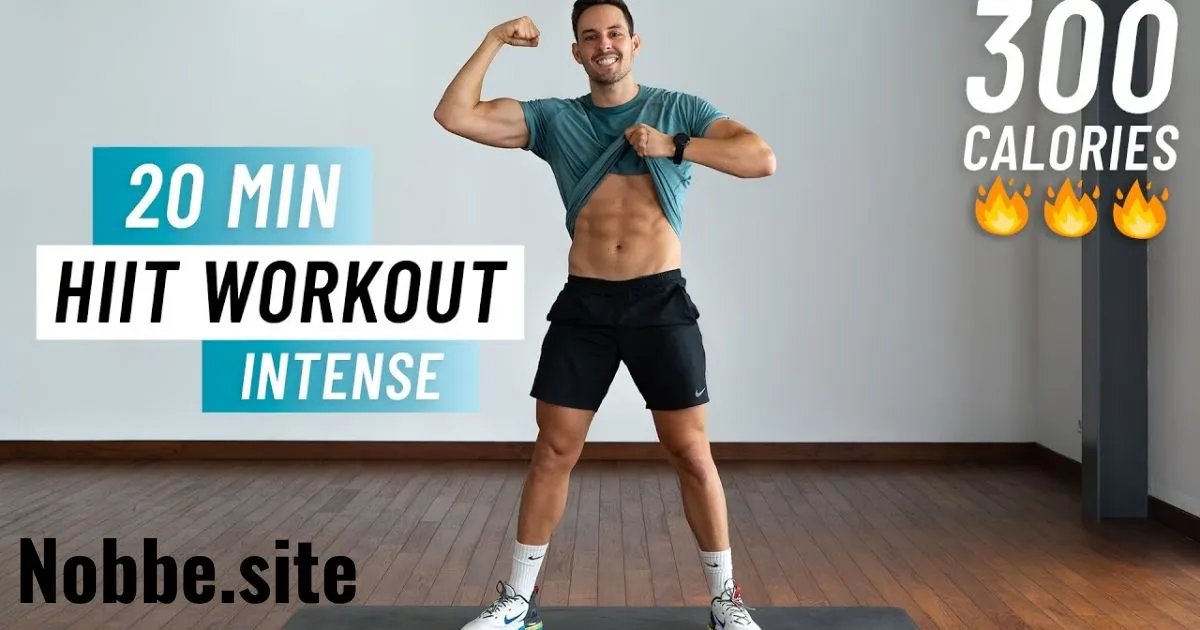
In today’s fast-paced world, finding an hour or two to spend at the gym can feel nearly impossible. Between work, family, and social obligations, fitness often gets pushed to the back burner. But what if you could get an incredibly effective, fat-burning workout done in just 15 to 20 minutes?
Enter HIIT (High-Intensity Interval Training).
If you are a beginner looking to lose weight, improve your cardiovascular health, and save time, HIIT is your ultimate fitness hack. Let’s dive into everything you need to know to get started safely and effectively.
What is a HIIT Workout?
HIIT stands for High-Intensity Interval Training. It is a cardiovascular exercise strategy that alternates between short bursts of intense, all-out exercise and brief periods of rest or low-intensity recovery.
For example, a simple HIIT routine could involve sprinting as fast as you can for 30 seconds, followed by walking for 60 seconds. You repeat this cycle for 15 to 20 minutes.
Unlike traditional steady-state cardio (like jogging at a constant pace for an hour), HIIT forces your heart rate up quickly, challenging your muscles and cardiovascular system in a fraction of the time.
Why HIIT is Perfect for Beginners
You don’t need to be an elite athlete to reap the rewards of interval training. In fact, HIIT is highly adaptable. Here is why it is one of the best workout styles for beginners:
1. Maximum Fat Burning (The EPOC Effect)
The biggest selling point of HIIT is its ability to burn fat fast. Because these workouts are so intense, they trigger a phenomenon known as EPOC (Excess Post-Exercise Oxygen Consumption), often called the “afterburn effect.”
Did you know? The afterburn effect causes your body to continue burning calories at an elevated rate for up to 24 hours after your workout is over, even while you are sitting on the couch.
2. Incredible Time Efficiency
The number one excuse for skipping a workout is a lack of time. HIIT eliminates this barrier. Most beginner HIIT workouts last between 10 and 20 minutes, making it incredibly easy to squeeze into a busy morning or a lunch break.
3. No Equipment Required
While you can use weights or cardio machines, excellent HIIT workouts can be done using nothing but your own body weight. This means you can work out in your living room, a hotel room, or a local park for free.
Your First Beginner HIIT Workout Routine
Before jumping into the workout, always start with a 3-to-5-minute warm-up (jumping jacks, arm circles, and light jogging in place) to prepare your muscles and prevent injury.
Here is a simple, no-equipment 15-minute HIIT workout designed specifically for beginners.
The Structure:
-
Work: 30 seconds (Go as hard as you safely can)
-
Rest: 30 seconds (Catch your breath)
-
Total Rounds: 3 rounds of the 5 exercises below
| Exercise Number | Exercise Name | Target Muscle Groups |
| 1 | Bodyweight Squats | Glutes, Quads, Core |
| 2 | Incline or Knee Push-Ups | Chest, Shoulders, Triceps |
| 3 | Jumping Jacks | Full Body, Cardio |
| 4 | Reverse Lunges | Legs, Balance, Stability |
| 5 | Mountain Climbers | Core, Shoulders, Stamina |
After completing Exercise 5, rest for a full 60 seconds, then repeat the circuit two more times.
Golden Rules for HIIT Beginners
To get the most out of your training and avoid burnout or injury, keep these essential tips in mind:
-
Focus on Form Over Speed: Don’t rush through the movements. Doing 10 perfect squats is much better for fat loss and safety than doing 20 sloppy ones.
-
Define “High Intensity” for Yourself: High intensity is relative. If you are just starting out, “all-out effort” might mean a brisk power walk, not an Olympic sprint. Listen to your body.
-
Don’t Skip the Rest: The rest intervals are just as important as the work intervals. They allow your heart rate to drop slightly so you can give maximum effort in the next round.
-
Limit HIIT to 2–3 Times a Week: Because HIIT is demanding, your body needs time to recover. Overdoing it can lead to injuries or chronic fatigue.
HIIT vs. Traditional Cardio: Which is Better?
While both forms of exercise have their place, here is a quick comparison to help you understand why HIIT is a powerhouse for fat loss:
-
Time Commitment: Traditional cardio requires 45–60 minutes; HIIT requires only 15–20 minutes.
-
Muscle Retention: Long cardio sessions can sometimes cause the body to burn muscle for fuel. HIIT helps preserve lean muscle mass while targeting fat storage.
-
Metabolism Boost: Traditional cardio burns calories mostly during the workout. HIIT boosts your metabolism for hours afterward.
Conclusion: Start Your HIIT Journey Today
If you have been looking for an efficient, scientifically proven way to burn fat, boost your energy, and get fit without spending hours at the gym, HIIT is the answer. It is challenging, fast, and highly rewarding.
Remember, the hardest part of any fitness journey is simply getting started. Clear out a small space in your living room, set your timer for 15 minutes, and take that first step toward a healthier, stronger you today!